




Antique Ceramic Wall Painting
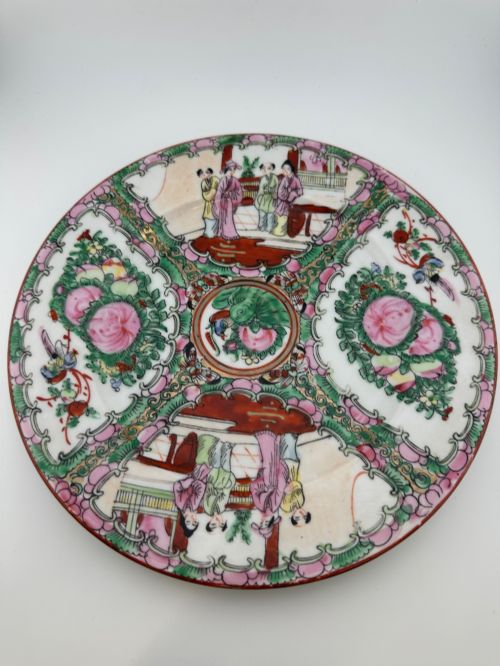
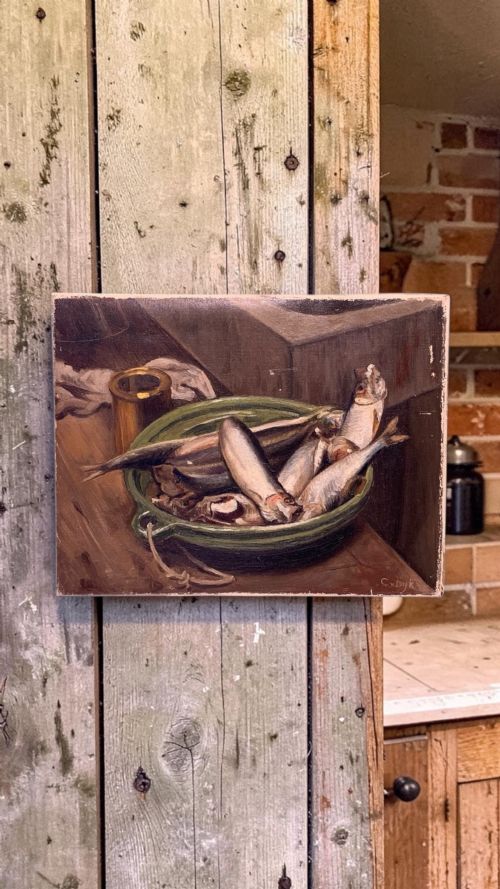
When you search for antique ceramic wall painting, you encounter hand-painted plates, chargers, and plaques made to hang or display.
Antique Ceramic Wall Painting
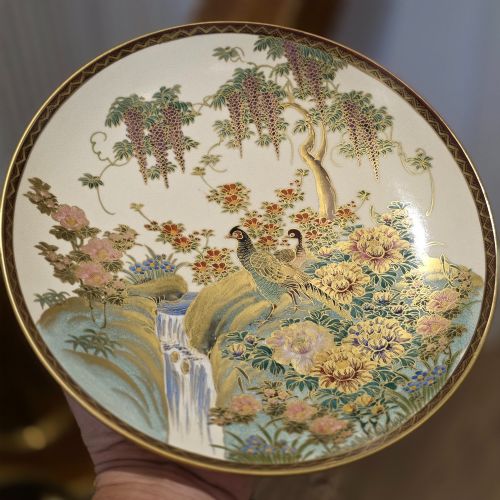
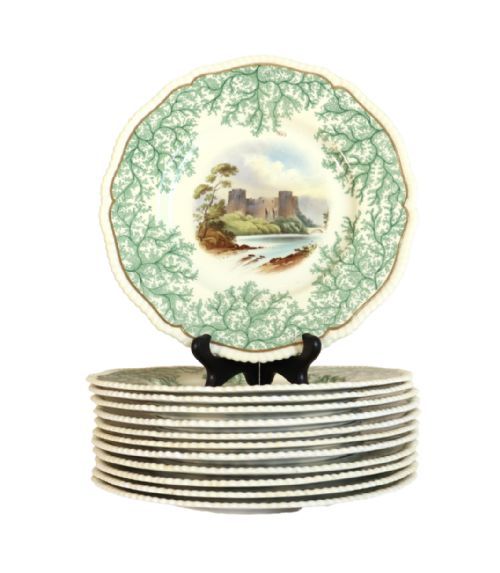
The antique ceramic wall painting search phrase brings together painted porcelain and earthenware plates, chargers, and framed plaques designed for vertical display. You find items spanning from the eighteenth century through the twentieth century, originating from English potteries, Dutch delftware works, and Japanese kilns.
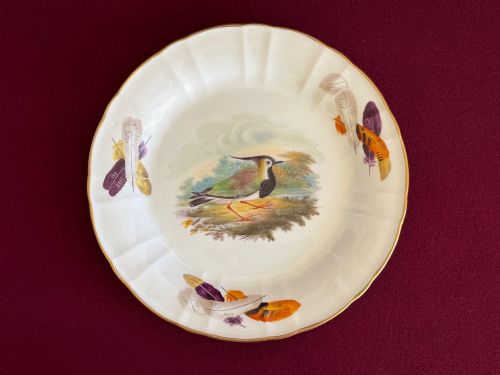
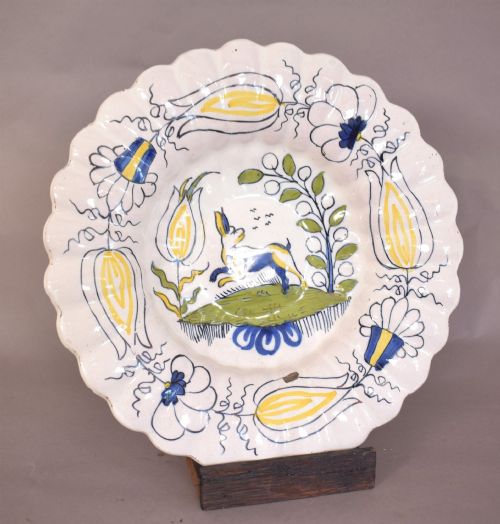
The most common examples on this page are large chargers and cabinet plates decorated with hand-painted flora, birds, or narrative scenes. These pieces utilise tin-glazes, enamel, and gold leaf to render detailed imagery directly onto the ceramic body.
How they were made
Potters shaped porcelain, bone china, or earthenware bodies before applying white tin-glazes or opaque background colours. Artisans then hand-painted detailed motifs using mineral-based enamel pigments directly onto the prepared surface.
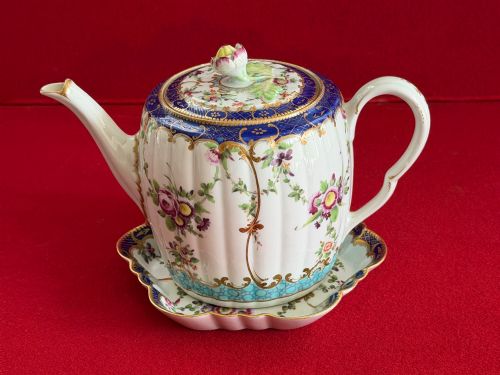
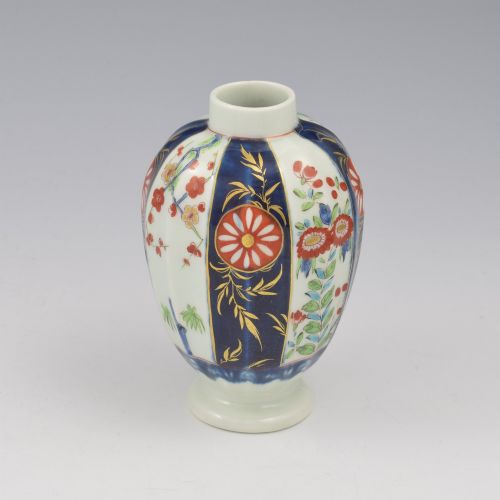
Many items underwent subsequent firings to fix the polychrome or blue and white pigments, occasionally finished with gilding or gold leaf details along the rims and borders.
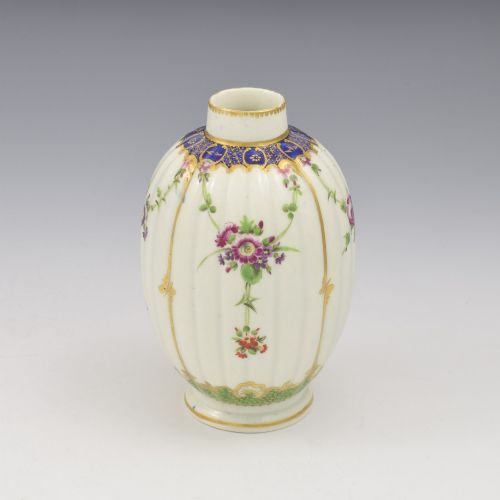
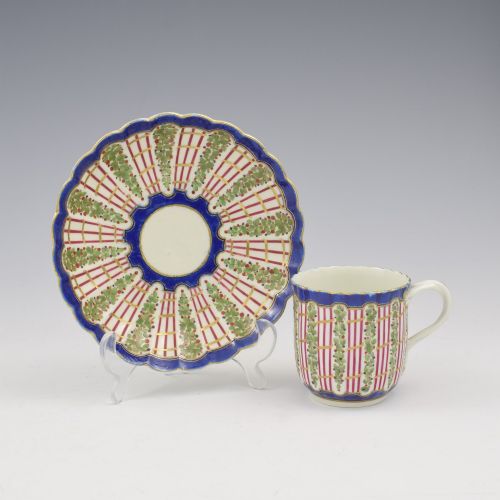
Several eighteenth-century Worcester pieces depict whimsical Hop Trellis patterns, proving that historic hop farmers appreciated fine porcelain tea wares just as much as brewers.
What varies in quality
The distinction between standard domestic wares and top-tier cabinet pieces lies in the precision and complexity of the hand-painting. Superior items display refined brushwork by known artists, capturing subtle tonal shifts in ornithological or portrait subjects.
The crispness of the glaze and the complexity of the decorative borders also determine the grade of the piece, with finely potted porcelain bodies achieving greater translucency than heavier earthenware.
Royal Worcester·Royal Crown Derby·Minton
The Antique Ceramic Wall Painting Glossary
- Charger
- A large decorative plate traditionally used for ceremonial display rather than dining. These substantial ceramic rounds provide a wide canvas for painted scenes.
- Tin-Glazed Earthenware
- Pottery covered with an opaque white glaze containing tin oxide, providing a smooth surface for painted decoration. This technique defines traditional delftware and faience.
- Cabinet Plate
- A decorative plate intended for display in a cabinet or mounted on a wall rather than everyday table use. These pieces often feature elaborate hand-painted artwork.
- Enamel
- Coloured vitreous glass fused to the ceramic surface during a secondary firing. It allows for vibrant polychrome details on porcelain and earthenware.
Antique Ceramic Wall Painting: Frequently Asked Questions
How do I hang a heavy charger?
Heavy ceramic chargers require specialised wall fixings that support the entire weight of the base rather than relying on tension-based wire hangers alone. Ensure the bracket grips the rim securely without applying undue pressure to the earthenware body.
Position the piece at eye level away from direct sunlight to protect enamel pigments and gold leaf details from fading over time.
What is the difference between delftware and porcelain?
Delftware uses a porous earthenware body covered in an opaque tin-glaze, resulting in a heavier piece with softer painted lines. Porcelain utilises a dense, vitrified white clay body that often achieves translucency when held to the light.
Porcelain pieces generally accept finer, more detailed brushwork, whereas delftware relies on the absorbent tin-glaze to diffuse cobalt blue and manganese pigments.
How can I identify a cabinet plate?
Cabinet plates are distinguished by their lack of utilitarian knife scratches and the presence of intricate, high-value painted art across the central well. They frequently feature gilded borders and painted scenes of birds, fruit, or historic events.
Many bear maker marks or artist signatures on the reverse, confirming their status as ornamental items rather than tableware.