


Victorian Painted Porcelain Plaque
These victorian painted porcelain plaque pieces bring rich hand-painted detail and fine ceramic grounds straight from the nineteenth century into modern rooms.
Victorian Painted Porcelain Plaque
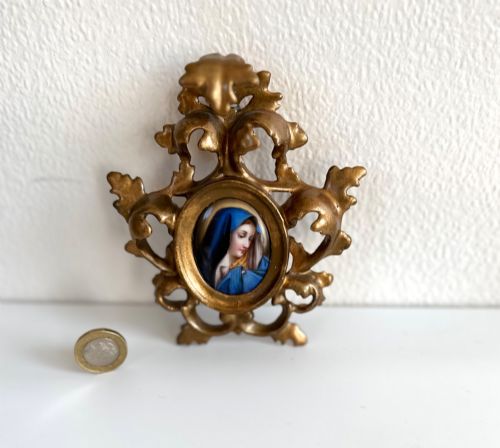
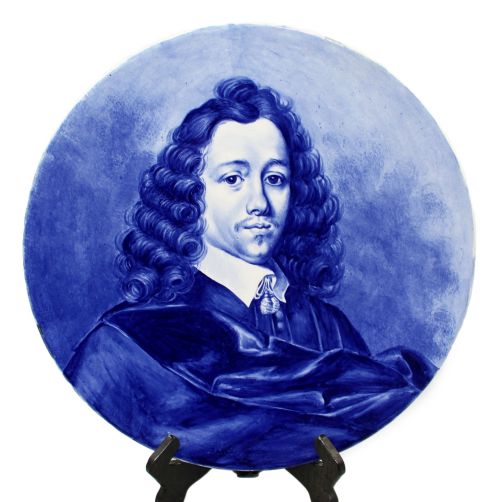
A victorian painted porcelain plaque combines fine ceramic painting with nineteenth-century decorative arts, capturing portraits, landscapes, and classical scenes on a smooth surface. You encounter these most frequently as wall art, miniature portraits, and decorative plates, often mounted within frames or fitted directly into furniture.
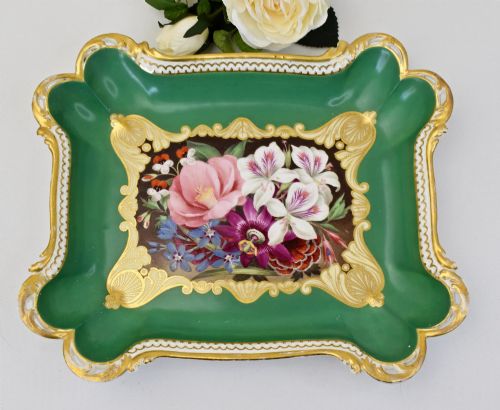
The pieces on this page span from the mid-nineteenth century into the early twentieth century, showing influences from Rococo Revival, French Louis XVI Revival, and broader Victorian historicism. Makers utilised porcelain, enamel, earthenware, and gilt bronze mounts to present subjects ranging from Renaissance copies to botanical studies.
How they were made
Craftsmen painted directly onto porcelain or enamel surfaces using specialised ceramic pigments that vitrified during high-temperature firing, ensuring the colours remained permanent and bright. Artisans then mounted many of these panels into gilt wood, gilt metal, or carved frames, whilst others became integral parts of cabinets, book slides, and clock cases.
Makers integrated gilt accents, ormolu mounts, and burr walnut or rosewood framing to complement the central porcelain panels. The combination of delicate brushwork with heavy gilded bronze or carved wooden surrounds provided both structural support and visual contrast.
One Victorian book holder guards your reading material with miniature painted porcelain plaques embedded directly into the burr walnut wood.
What varies in quality
The refinement of the hand-painted brushwork separates standard decorative items from exceptional works of art. Portraits showing fine facial expressions, accurate anatomy, and careful shading require high skill levels from the porcelain painter.
The quality of the surrounding mountings and frames indicates the overall ambition of the piece. Heavy ormolu mounts, carved giltwood frames, and solid secondary woods like burr walnut elevate the presentation of the central ceramic panel.
Van Genden·Doe and Rogers·William Rayworth·William Yale·Baldwyn
The Victorian Painted Porcelain Plaque Glossary
- Porcelain plaque
- A flat tablet of fired ceramic material designed for decorative display or mounting into furniture. These panels provide a smooth ground for detailed miniature painting.
- Ormolu
- Gilded bronze mounted onto decorative objects, clocks, or frames. This technique adds metallic brilliance and weight to nineteenth-century pieces.
- Cabinet plate
- A decorative ceramic plate intended for display on a cabinet or wall rather than for dining use. They often feature intricate hand-painted central scenes.
- Giltwood
- Wood carved and covered with a thin layer of gold leaf or gilt preparation. It forms ornate frames for many nineteenth-century wall plaques.
Victorian Painted Porcelain Plaque: Frequently Asked Questions
How were porcelain plaques displayed?
Many nineteenth-century porcelain plaques were framed for wall hanging or set into specialised stands for tabletop display. Others served as decorative insets within furniture, such as side cabinets, book slides, and mantel clocks.
Larger chargers and cabinet plates often rested on plate rails or inside glazed display cabinets to protect their delicate painted surfaces from damage and dust.
How do I care for a painted plaque?
Keep porcelain plaques away from direct sunlight to prevent any fading of the delicate enamel pigments over time. Dust the surface gently with a dry, soft cloth without applying moisture or cleaning solutions.
Inspect the fixings and frames periodically to ensure the porcelain panel remains secure within its mount without shifting or rattling.
What subjects appear on these pieces?
Common subjects include portraits of historical figures, classical figures, and copies after Renaissance masters. Landscape views, floral studies, and botanical arrangements also feature prominently across nineteenth-century examples.
Artists frequently signed their painted panels or depicted specific regional scenes, providing clues to their origins and the factories that produced them.
How do I identify a Victorian piece?
Look at the framing styles, the nature of the porcelain body, and the painting technique used on the surface. Nineteenth-century pieces often incorporate Rococo Revival or historicist motifs in their giltwood, ormolu, or burr walnut mounts.
Maker marks, registry diamonds, and handwritten titles on the reverse of the porcelain can also help narrow down the period of production.