




Fine Porcelain Plaque
A fine antique porcelain plaque brings delicate hand-painted artistry to a wall or mounted into period furniture.
Fine Porcelain Plaque
When you search for a fine antique porcelain plaque, you encounter hand-painted works originating from notable European factories such as Vienna, Sevres, and KPM. These pieces often depict classical or historical subjects, capturing meticulous portraiture and narrative scenes.
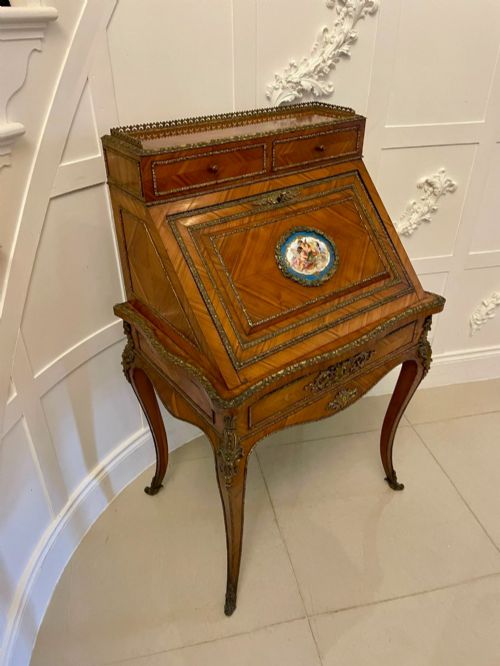
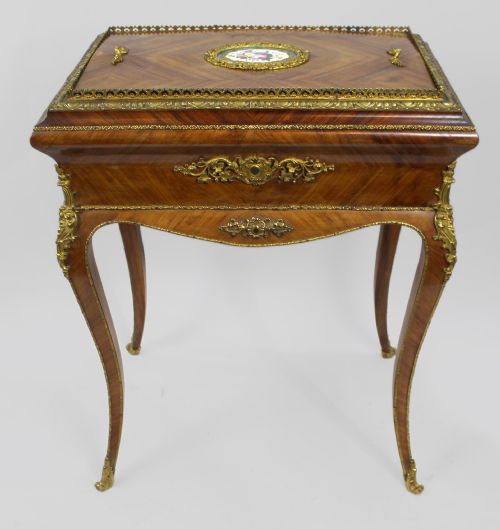
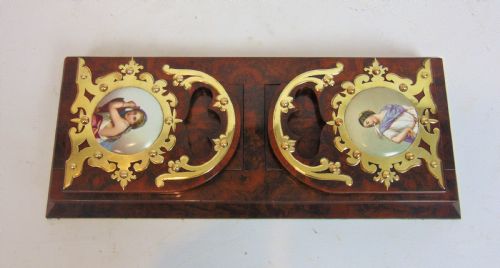
The selection here encompasses standalone framed art as well as plaques mounted into nineteenth-century items like desks, book slides, and tables. Victorian examples frequently showcase elaborate decorative surrounds in giltwood, brass, or kingwood.
Buyers regularly find these items paired with ornate frames or integrated into French revival furniture, reflecting the opulent taste of the nineteenth century. Each piece demonstrates the specialised skill of European ceramic artists working during the Victorian era.
Materials and construction methods
These pieces are constructed from high-fired ceramic blanks that provide a smooth, stable ground for detailed enamel painting. Artisans applied successive layers of enamels and metallic pigments, firing the plaque multiple times to achieve permanent, luminous colour.
Many items incorporate gold leaf detailing to highlight borders and architectural elements within the painted scenes. Where mounted into furniture or book slides, they are framed with materials such as kingwood, walnut, and ormolu mounts.
Fine Porcelain Plaque Retail Price Guide 2026
Typical asking prices for fine porcelain plaque among the pieces listed under this phrase on Sellingantiques today, from the lower quarter to the upper quarter. They describe what is for sale here now, not the wider market.
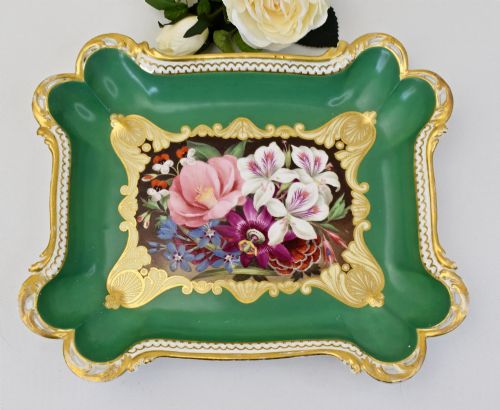
Listings feature nineteenth-century porcelain plaques alongside decorative chargers, utilising materials such as enamel, gold leaf, brass, walnut, and kingwood.
Assessing quality in antique plaques
Quality rests primarily in the precision and delicacy of the hand-painting, particularly in facial expressions, drapery, and fine background details. Superior examples exhibit exceptional brushwork and a balanced palette that avoids muddy tones.
The reputation of the producing factory, such as KPM or Vienna, alongside the presence of a signature or factory mark, elevates the standing of a piece. The quality of the surrounding mount, whether giltwood, ormolu, or kingwood, contributes significantly to the overall craftsmanship.
The Fine Porcelain Plaque Glossary
- Porcelain
- A white, vitrified ceramic material fired at high temperatures to create a hard, non-porous body. It serves as the standard canvas for fine nineteenth-century miniature painting.
- Enamel
- Finely ground glass pigments suspended in a medium and fired onto the ceramic surface. This technique allows for intense, permanent colours that resist fading.
- Ormolu
- Gilt bronze mounts cast and chased by hand to ornament furniture and frames. This decorative metalwork frequently frames high-end porcelain plaques.
- Kingwood
- A dense, richly figured exotic timber utilised in nineteenth-century French cabinet making. It often frames decorative plaques on bureaus and tables.
Fine Porcelain Plaque: Frequently Asked Questions
How do I hang a porcelain plaque?
Most standalone plaques are set within secure frames equipped with hanging hardware suitable for their weight. Ensure the wall fixing matches the specific weight of the ceramic and its mount.
Avoid hanging pieces in direct sunlight to protect the hand-painted enamel colours from gradual fading over time.
Are these plaques signed by artists?
Certain pieces feature artist signatures or factory stamps on the reverse or near the edge of the painted scene. These markings help identify the maker and the workshop origin.
Unsigned pieces remain common, often relying on the distinctive style and quality of the porcelain body and painting technique for attribution.
What subjects appear on these plaques?
Common subjects include classical figures, historical portraits, and narrative scenes drawn from mythology or literature. Makers like KPM and Vienna frequently reproduced famous artworks in miniature.
Other examples display delicate floral arrangements or romanticised pastoral views typical of nineteenth-century taste.