


Victorian Gilt Frame Plaque
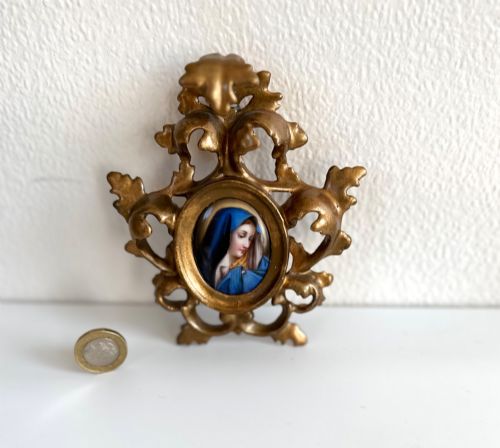
A victorian gilt frame plaque brings together hand-painted portraiture, fine porcelain, and ornate gilded surrounds to anchor a room.
Victorian Gilt Frame Plaque
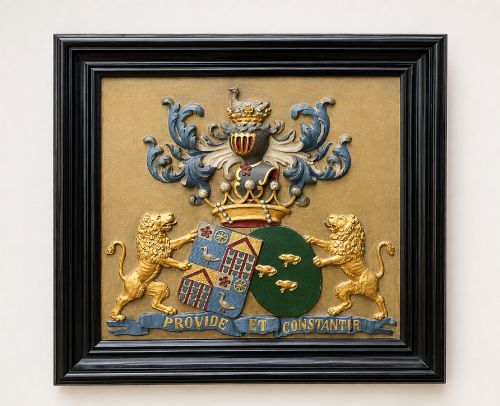
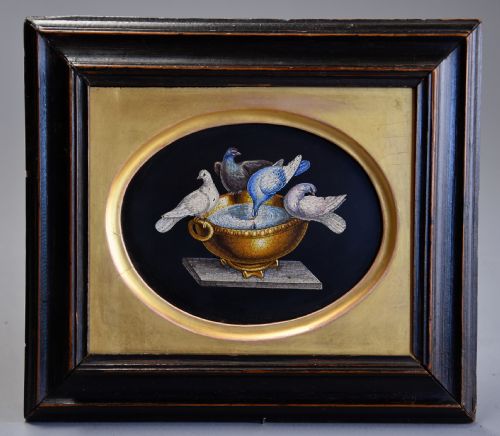
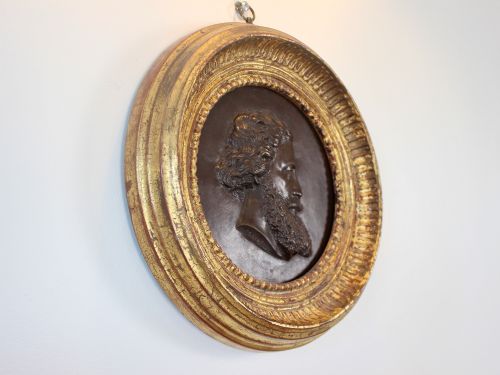
A victorian gilt frame plaque brings together decorative wall art housed within ornate gilded or ebonised surrounds, drawing on periods from the nineteenth century. These objects include hand-painted porcelain panels, micromosaic scenes, and relief tableaux designed for interior display.
Most examples encountered here date from the Victorian era and the broader nineteenth century, reflecting styles such as Rococo Revival, Grand Tour, and European classical traditions. Makers and artists range from Berlin KPM manufactories to signed individual portraitists.
The subjects depicted span religious icons, classical motifs, literary figures like Charles Dickens, and heraldic marriage pieces. Buyers select these works to add depth to period interiors or to collect specific nineteenth-century painting and ceramic techniques.
Materials and Technique
Plagues in this group rely primarily on porcelain, enamel, bronze, and stone, often mounted within giltwood, gilt metal, or carved wooden frames. Artists painted directly onto porcelain panels or enamel surfaces before securing them within protective surrounds.
Framing techniques involve carved giltwood and gesso, alongside ebonised wood and ormolu mounts to complement the central plaque. Detail work incorporates hand-painted pigments, micromosaic tesserae, and pietra dura inlay.
Listings feature nineteenth-century porcelain, enamel, and bronze plaques housed within giltwood, velvet, and ormolu frames.
Assessing Quality
Quality rests on the fineness of the painting on the porcelain or enamel surface, alongside the depth and precision of the surrounding gilt frame. Works from established manufactories like KPM or pieces bearing artist signatures generally exhibit superior execution.
The complexity of the medium also distinguishes the pieces, such as intricate multi-coloured micromosaics or inlaid pietra dura panels compared to simpler painted portraits. Original matching frames that retain their gilding and structural integrity elevate the overall piece.
Van Rijckevorsel & Verheijen·MAINFROY·KPM·William Rayworth
The Victorian Gilt Frame Plaque Glossary
- Micromosaic
- A decorative technique using tiny glass tesserae to create detailed pictorial scenes. These works were popular souvenirs during the Grand Tour of Europe.
- Pietra dura
- An artistic process using cut and fitted polished coloured stones to create geometric or figurative designs. This technique appears in inlaid marble panels.
- Ormolu
- Gilded bronze used for decorative mounts and furniture ornamentation. It provides a bright metallic contrast to porcelain and wood.
- Gesso
- A plaster mixture applied to wood frames as a base for carving and gilding. It allows for intricate relief ornamentation before applying gold leaf.
- Jasperware
- A type of fine stoneware developed by Josiah Wedgwood, known for its matte surface and classical relief figures.
Victorian Gilt Frame Plaque: Frequently Asked Questions
How do I hang a heavy gilt frame plaque safely?
Heavy pieces require appropriate wall fixings suited to plaster or brick, often utilising picture wire attached to secure D-rings on the reverse of the frame. Ensure the weight is evenly distributed across sturdy wall anchors.
Check the bond between the frame and the internal plaque before hanging to prevent accidental movement or separation.
Where were these wall plaques displayed originally?
Nineteenth-century interiors often featured these decorative plaques in reception rooms, libraries, and parlours as part of a curated gallery wall or cabinet display. They served as conversation pieces reflecting the owner's cultural travels and artistic tastes.
Today, they suit similar principal living spaces where adequate lighting highlights the fine details of the porcelain and gilding.
How should I clean a gilded wood frame?
Dust gilded frames gently with a very soft, dry brush or feather duster to remove surface particles without disturbing delicate gesso or leaf. Avoid all moisture and chemical cleaners, which can strip the thin gold leaf layers.
Professional conservators should handle repairs to chipped gesso or worn gilding to preserve the historical surface.
How do I distinguish KPM porcelain plaques?
Berlin KPM plaques typically feature factory impressed or painted sceptre marks on the reverse of the porcelain panel, alongside painter or subject inscriptions. The quality of the porcelain body and the refinement of the enamel painting also indicate origin.
Examining the unglazed back of the plaque through a loupe often reveals characteristic firing marks and workshop signatures.