




Continental Porcelain Painting
Continental porcelain painting brings intricate hand-painted detail and fine ceramic craftsmanship into domestic spaces through figures, vases, and wall art.
Continental Porcelain Painting
Continental porcelain painting encompasses decorative objects produced across European factories, featuring hand-painted designs on ceramic bodies. When searching for continental porcelain painting, buyers encounter 18th-century pieces alongside 19th-century revivals.
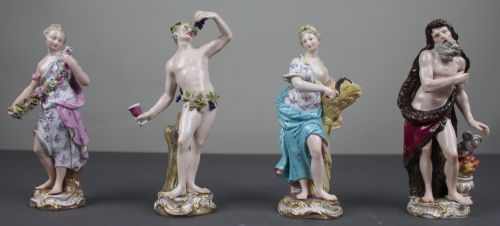
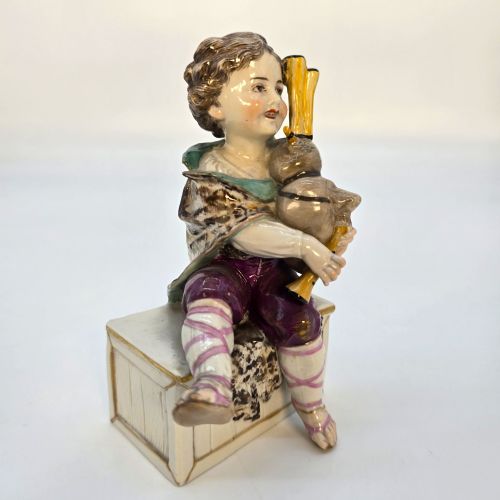
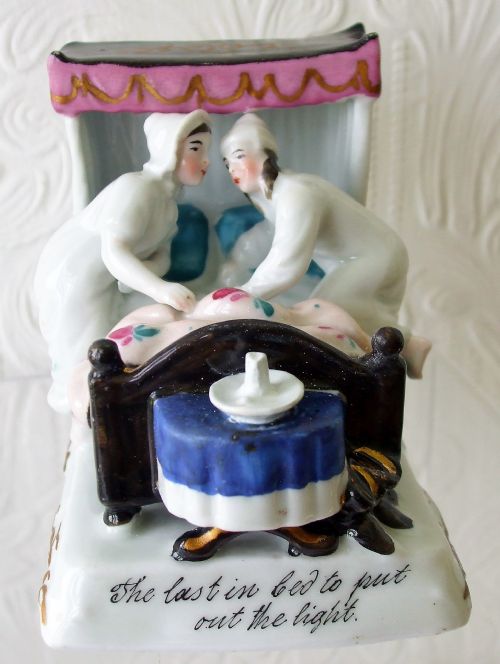
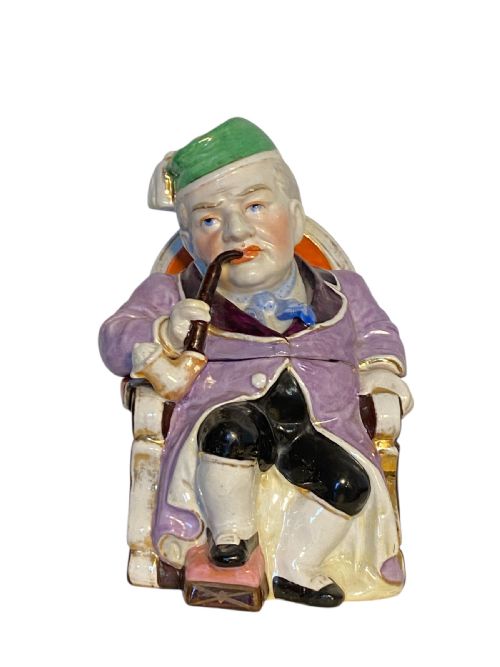
The selections here lean heavily toward figurative works, including Meissen and Volkstedt groups, alongside vases, garniture sets, and wall plaques. These items reflect traditional European styles spanning Rococo and Victorian aesthetics.
Objects range from small miniature animal figures to large, highly detailed pastoral groups and decorated bowls. Each piece demonstrates the diverse output of continental kilns during the 18th and 19th centuries.
Materials and Techniques
Maker utilise hard-paste porcelain and bisque porcelain, shaped into complex forms such as figurines, inkstands, and lidded tureen vessels. These ceramic bodies provide a smooth, durable surface suited for detailed brushwork.
Artisans apply enamel pigments by hand, often incorporating gold leaf and gilt highlights to accentuate drapery, borders, and decorative motifs. Firing fixes the painted decoration onto the glaze, yielding permanent colour and lustre.
Evaluating Quality
Quality rests in the precision of the hand-painting, particularly the facial expressions and fine details on figurative groups. Superior examples display delicate brushwork and nuanced shading without bleeding or heavy-handed outlines.
The crispness of the porcelain moulding dictates the depth and definition of intricate elements like lace, flowers, and leaves. Finer pieces retain sharp contours where lesser items appear softened or blurred.
Meissen·Volkstedt Rudolstadt Factory·C G Schierholz·Samson of Paris·Carl Thieme Dresden·Eugene Clauss
The Continental Porcelain Painting Glossary
- Hard-Paste Porcelain
- A dense ceramic composition fired at high temperatures using kaolin and petuntse. This material forms a durable white body that accepts enamel painting securely.
- Bisque Porcelain
- Unglazed ceramic fired to a matte, biscuit-like finish that resembles marble. It is frequently utilised for portrait busts and classical figures.
- Garniture Set
- A matched grouping of decorative vases or pots designed for mantelpiece display. These sets often comprise three or more matching vessels.
- Cache Pot
- An ornamental flowerpot cover designed to hold a plant container. They frequently feature hand-painted floral motifs and gilded trim.
- Enamel
- Vitreous pigments applied to the surface of fired porcelain before a secondary low-temperature firing. This technique secures brilliant colours across figurative scenes.
Continental Porcelain Painting: Frequently Asked Questions
How do I identify Meissen figures?
Meissen pieces often feature factory marks painted on the base, typically crossed swords, though stylistic execution and detailed modelling also aid identification.
Examining the finesse of the hand-painted enamel work and the crispness of the porcelain paste helps distinguish authentic works from later regional copies.
What is bisque porcelain?
Bisque porcelain is fired ceramic left entirely unglazed, creating a matte, porous surface with a texture similar to fine marble.
This finish highlights sculptural detail without the reflective sheen of traditional glossy glazes, making it popular for figurative groups.
How should I display porcelain figures?
Porcelain figures require stable placement away from high-traffic areas and direct sunlight to prevent fading of hand-painted enamels.
Enclosed glass cabinets offer protection from dust while allowing clear viewing of intricate details from multiple angles.
What is a garniture set?
A garniture set is a coordinated grouping of three or more decorative vessels created to display together on a mantelpiece or sideboard.
These sets typically feature matching painted motifs and graduated sizes to create a balanced decorative arrangement.