

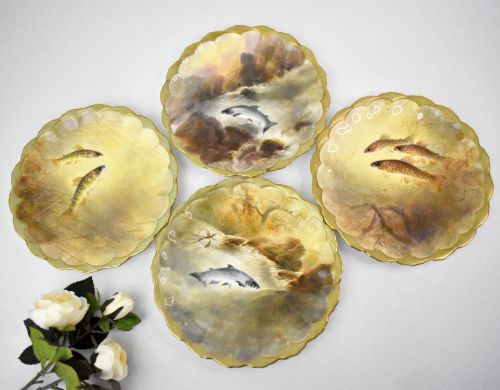


Yellow Porcelain Plate
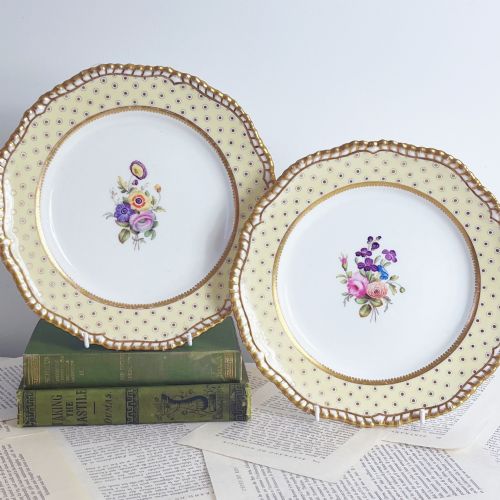
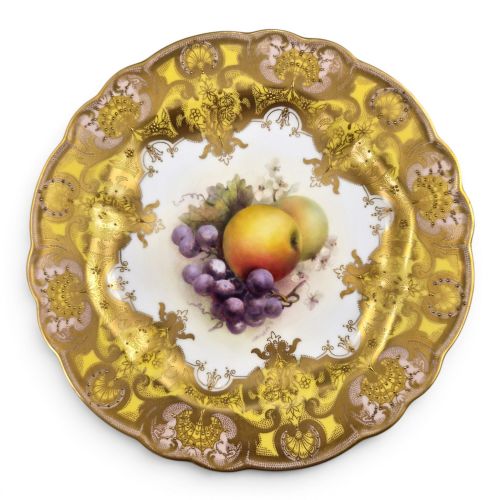
These yellow porcelain plate examples bring bright ground colours and hand-painted subjects to the table from the nineteenth and twentieth centuries.
Yellow Porcelain Plate
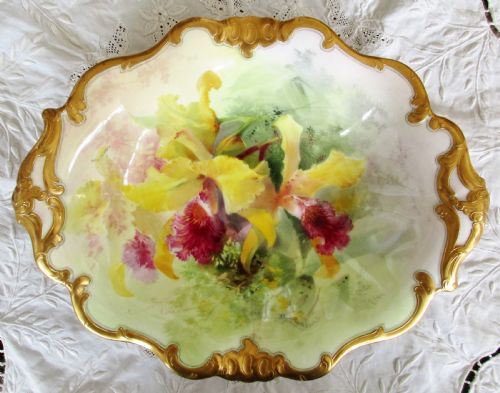
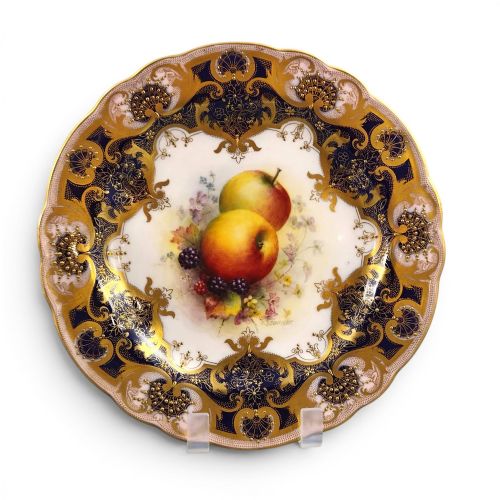
A yellow porcelain plate is a decorative or service ceramic piece defined by its striking yellow ground colour. Buyers seek these items for their rich hand-painted decoration, which often includes botanical studies, exotic birds, and floral motifs.
The yellow porcelain plate examples on this page span from the mid-nineteenth century through the Edwardian era and into the 1930s. Forms range from cabinet plates and dishes to dessert services, sandwich sets, and chargers.
How they were made
Production relies on porcelain, ironstone, and glazed ceramic bodies that receive an applied enamel or yellow ground colour before firing. Artisans then paint detailed subjects directly onto the surface, frequently adding gold leaf or gilding to borders and rims.
Many items utilise specialised hand-painting techniques executed by named artists, combining cobalt or polychrome enamels with raised gilding. The pottery or factory then fixes these pigments through high-temperature kiln firings to ensure durability.
Yellow Porcelain Plate Retail Price Guide 2026
Typical asking prices for yellow porcelain plate among the pieces listed under this phrase on Sellingantiques today, from the lower quarter to the upper quarter. They describe what is for sale here now, not the wider market.
Exotic birds and trailing daisies share table space here with yellow lions, proving that historical ceramic painters possessed wonderfully eclectic imaginations.
What varies in quality
Quality rests in the precision of the hand-painted details and the prestige of the maker, such as Meissen, Royal Worcester, or Royal Doulton. Pieces decorated by known artists command attention for their artistic execution.
The depth and consistency of the yellow ground colour, alongside the preservation of the gold leaf and gilding, dictate the overall standard. Early nineteenth-century examples and pattern-specific items like the Gelber Löwe show greater refinement than standard utilitarian wares.
Spode·Royal Worcester·Royal Doulton·Mason’s·Meissen·Wileman Foley Shelley
The Yellow Porcelain Plate Glossary
- Cabinet plate
- A decorative ceramic dish intended for display in a cabinet rather than for dining use. These often feature elaborate painted scenes by master artists.
- Gilding
- The application of gold leaf or powdered gold to ceramic surfaces, particularly rims and borders. It adds a reflective finish that highlights the central design.
- Ironstone
- A heavy, durable type of feldspathic stoneware patented in the nineteenth century. It provides a robust alternative to standard porcelain for chargers and large dishes.
- Enamel
- A glassy substance fused to the ceramic body through firing to provide colour. Enamels allow for vibrant reds, blues, and yellows on painted plates.
Yellow Porcelain Plate: Frequently Asked Questions
Are these plates meant for daily dining?
Most yellow porcelain plate examples on this page are cabinet plates or decorative dishes meant for display. Their delicate painted surfaces and gold leaf can wear down with regular use.
For practical dining, look towards dessert sets or sandwich plates designed for occasional table service rather than cabinet display.
How do I identify the period of a plate?
Makers' marks stamped or painted on the underside provide the most reliable guide to dating a piece. Stylistic clues such as Edwardian floral borders or Art Deco geometries also help narrow down the decade.
Comparing the paste, weight, and glaze characteristics against known factory production periods confirms the age.
What does gelber löwe mean?
Gelber Löwe translates from German as yellow lion, referring to a traditional Meissen pattern featuring Asian-inspired motifs. Plates bearing this design utilise distinct yellow grounds and exotic stylistic elements.
Such pattern names connect pieces to specific factory design books from the nineteenth century.