



19th Century Derby Porcelain
19th century derby porcelain brings together soft figures, rich enamel work and painted botanicals from a storied English ceramic tradition.
19th Century Derby Porcelain
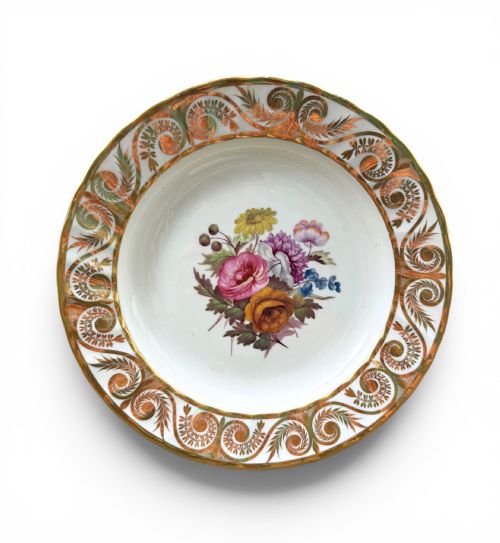
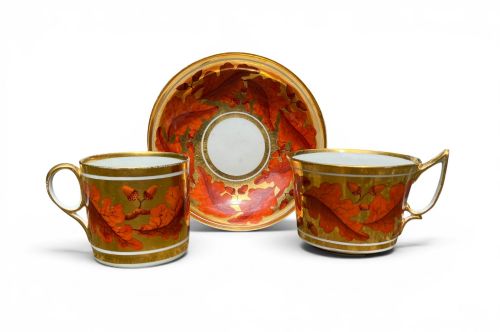
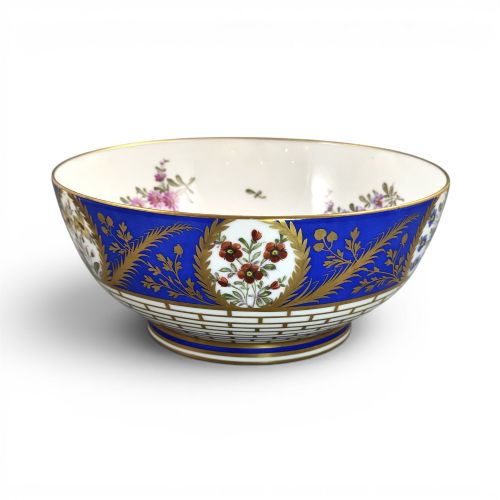
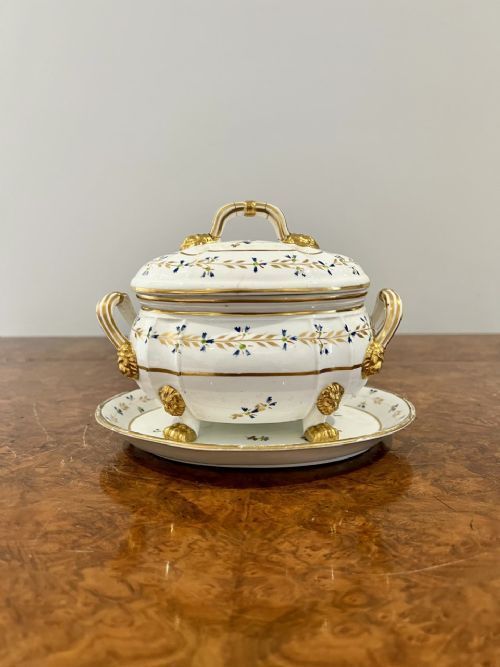
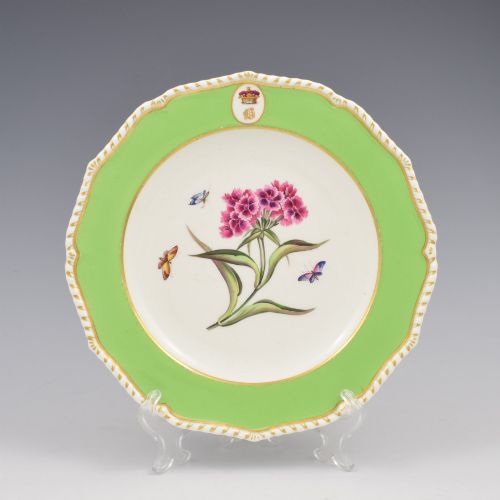
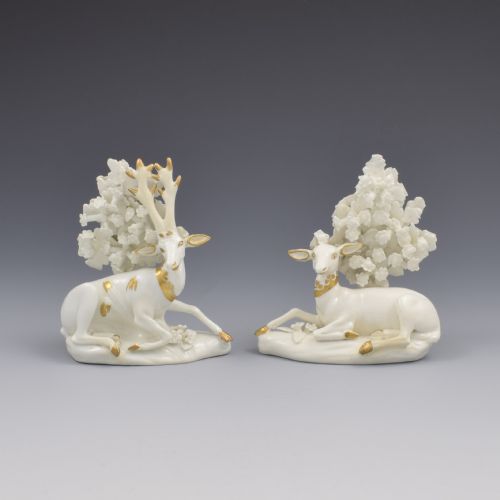
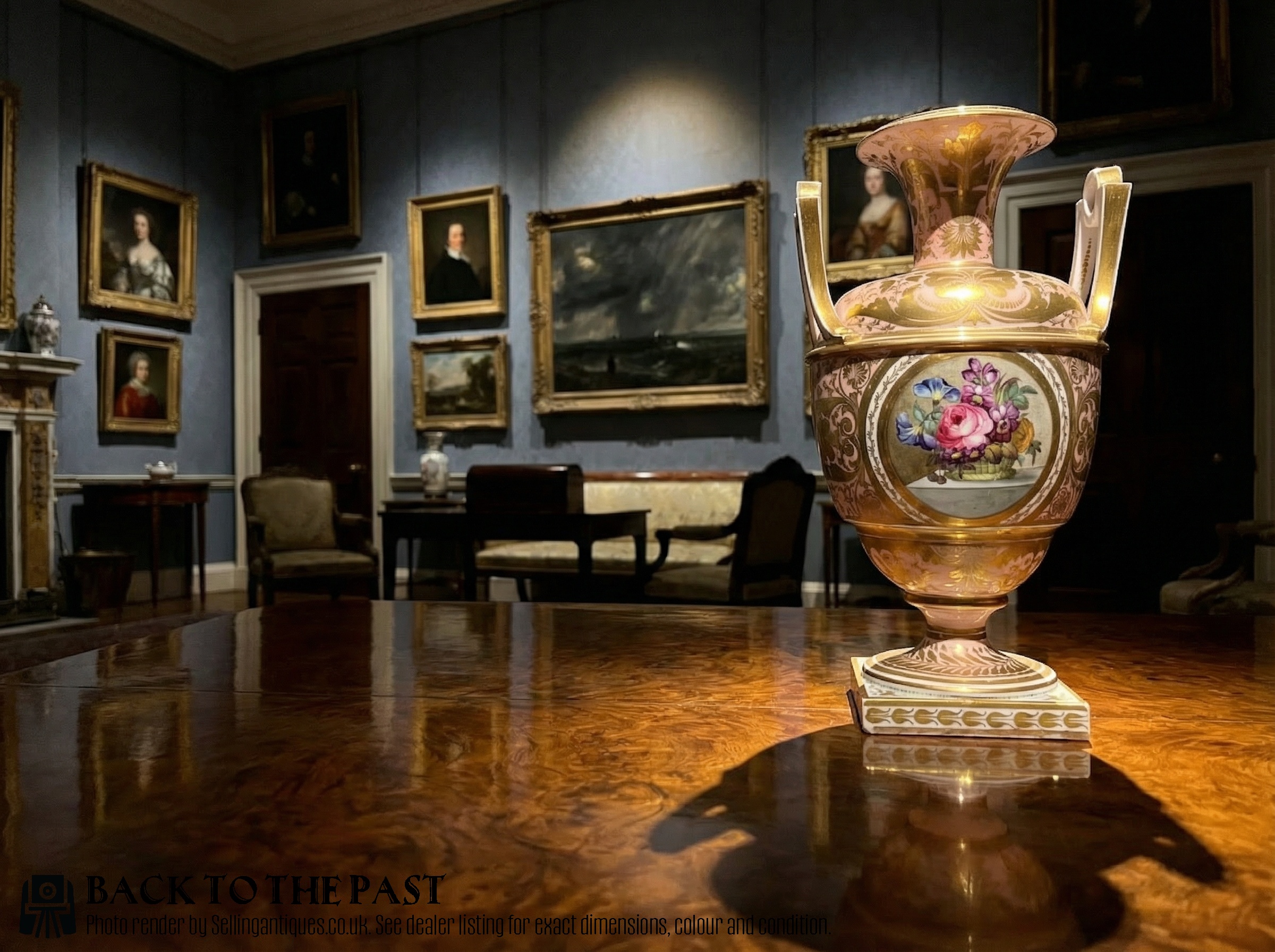
Collectors seeking 19th century derby porcelain encounter a diverse range of objects spanning useful tablewares and expressive modelled figures. The selection includes cabinet plates, dessert services, vases, teacups, and decorative groups created across several distinct eras of production.
The objects most frequently met on this page date from the Regency and Georgian periods through to later Victorian revivals. Pieces range from utilitarian porter mugs and lemonade beakers to finely painted botanical dessert plates and elaborate mantle figures.
Works originate from the primary Derby works as well as subsequent partnerships and later revival makers operating in Paris and Germany. Each period contributes specific forms, from armorial table services to pastoral figures and Rococo candlesticks.
Materials and Construction
Makers utilised fine porcelain and bone china bodies, shaping them into functional vessels or detailed sculptural groups. Surfaces received smooth transparent glazes designed to accept intricate hand-painting.
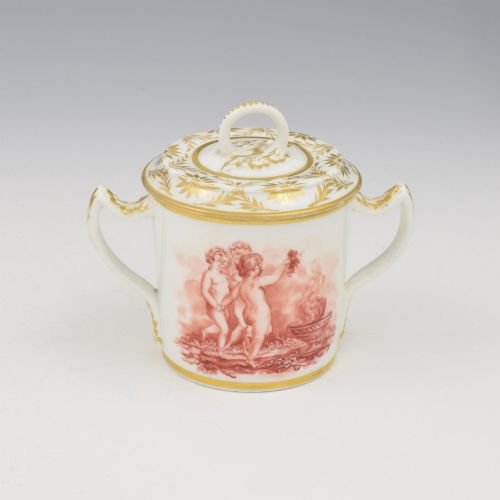
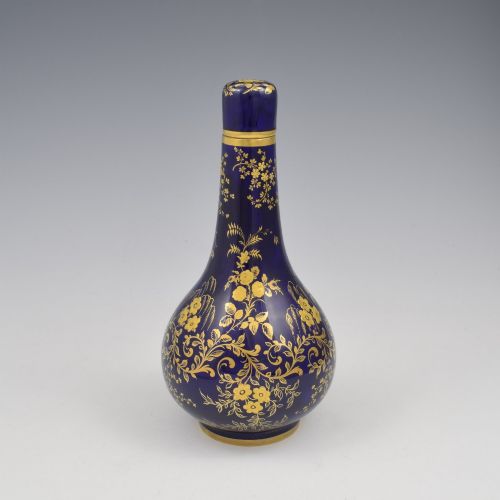
Decoration relied on rich enamel colours, sepia pigments for figurative details, and applied gold leaf or heavy gilt highlights. Skilled artists painted botanical studies, birds, and classical scenes directly onto the prepared ceramic body before firing.
19th Century Derby Porcelain Retail Price Guide 2026
Typical asking prices for 19th century derby porcelain among the pieces listed under this phrase on Sellingantiques today, from the lower quarter to the upper quarter. They describe what is for sale here now, not the wider market.
Nineteenth-century ceramic artists occasionally painted tiny insects onto floral plates simply to startle unsuspecting diners.
Distinctions in Quality
Quality rests primarily on the crispness of the modelling in figurative works and the precision of the hand-painting across plates and vessels. Superior examples display delicate brushwork in floral panels and careful application of raised gold decor.
The distinction between standard output and the finest tier depends on the depth of the enamelling and the sophistication of the palette. Pieces decorated by named painters command greater attention for their artistic execution.
Moses Webster·Thomas Steele·Stevenson and Hancock·Samson of Paris
The 19th Century Derby Porcelain Glossary
- Bloor Period
- The era under the direction of Robert Bloor, spanning the early decades of the nineteenth century when the factory produced varied ornamental wares and robust figures.
- Imari
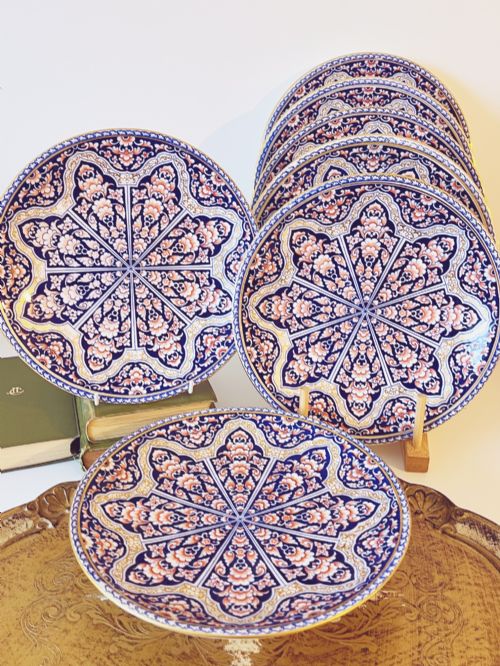
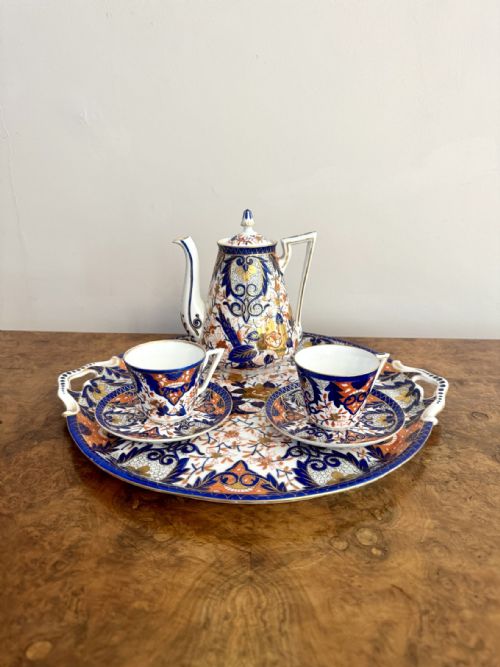
- A decorative scheme employing deep cobalt blue, iron red, and gilt, frequently adopted by Derby potteries in imitation of Japanese imports.
- Chelsea-Derby Style
- An aesthetic recalling the earlier partnership period, often characterised by soft pastel colourways and classical sculptural subjects.
- Bone China
- A ceramic body incorporating bone ash, valued for its strength and bright white appearance utilised in nineteenth-century tablewares.
- Armorial
- A design incorporating a family coat of arms or crest, typically found painted at the centre of bespoke dessert services.
19th Century Derby Porcelain: Frequently Asked Questions
How do I identify a Bloor period piece?
Bloor period items generally date from the early nineteenth century and often feature rich enamelling alongside specific factory marks in red or purple script.
These pieces typically display a robust approach to colour and form, encompassing both decorative figures and utilitarian tableware.
What is the difference between Derby and Samson wares?
Derby pieces were produced in England during the active periods of the original potteries, whilst Samson of Paris created revival and imitation works later in the nineteenth century.
Comparison of paste, glaze, and the character of the hand-painting usually reveals the distinction between original English output and continental interpretations.
How were cabinet plates used?
Cabinet plates served primarily for display rather than dining, allowing households to exhibit intricate hand-painted botanical studies or armorial crests.
Such items were often housed in drawing room cabinets or mounted on walls to highlight the artistic skill of the factory painters.
What defines the Imari style on these ceramics?
The Imari style utilises a distinct palette of deep cobalt blue and rust red, frequently enhanced with extensive gold leaf gilding.
Derby makers adapted this traditional aesthetic for plates, vases, and tea wares to satisfy a strong contemporary demand for oriental designs.