




Georgian Ceramic Figurines
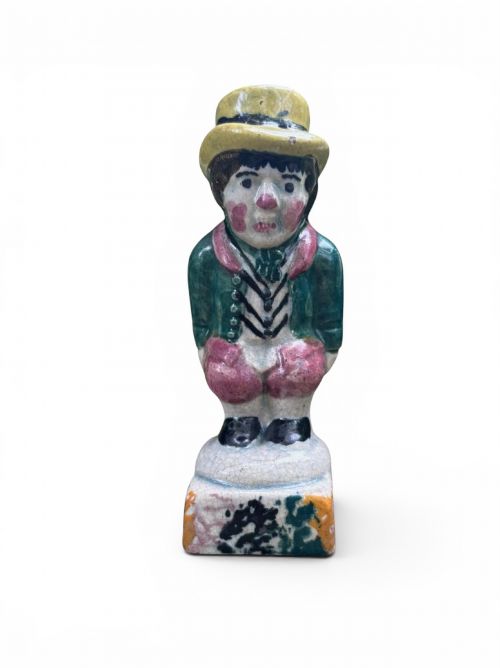
When you seek georgian ceramic figurines, you encounter vibrant glazed figures of mythological subjects, animals, and pastoral workers made by historic British factories.
Georgian Ceramic Figurines
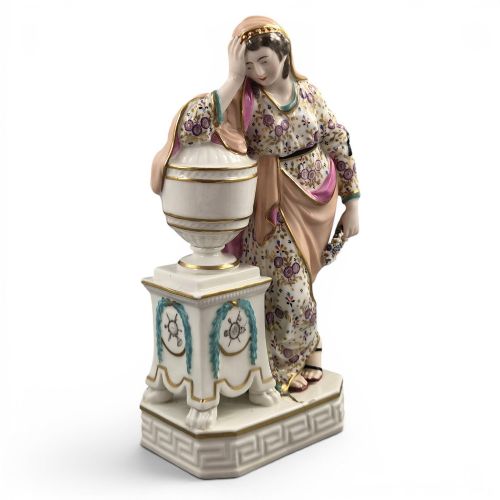
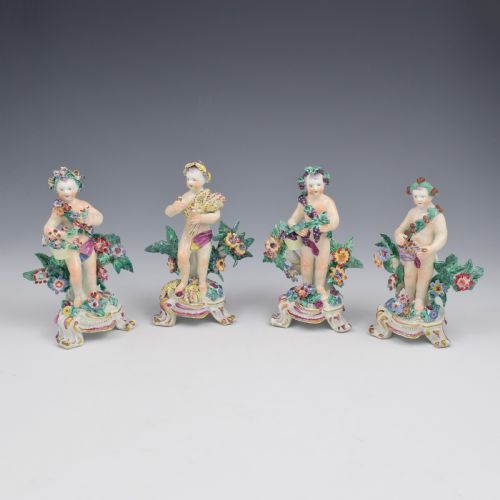
Georgian ceramic figurines capture the era's fascination with classical mythology, rustic life, and natural history through modelled clay and porcelain. Buyers searching for georgian ceramic figurines frequently encounter animal models, allegorical representations of the seasons, and figures modelled after theatrical characters or classical deities.
The objects span practical items like pepper pots and spillholders alongside purely decorative mantel pieces. Production stretches across the eighteenth century into the nineteenth, encompassing soft-paste porcelain, earthenware, and pearlware bodies shaped by major British kilns.
Materials and production methods
Makers utilised soft-paste porcelain and earthenware bodies, often decorated with vibrant enamels and touches of gold leaf or gilding. Many figures were cast in moulds, then hand-finished and painted before undergoing high-temperature kiln firing.
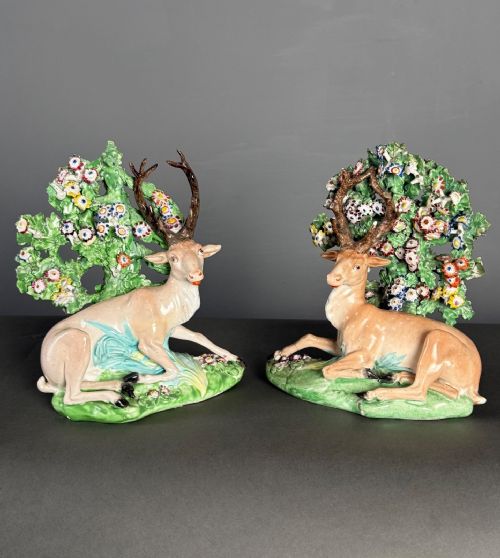
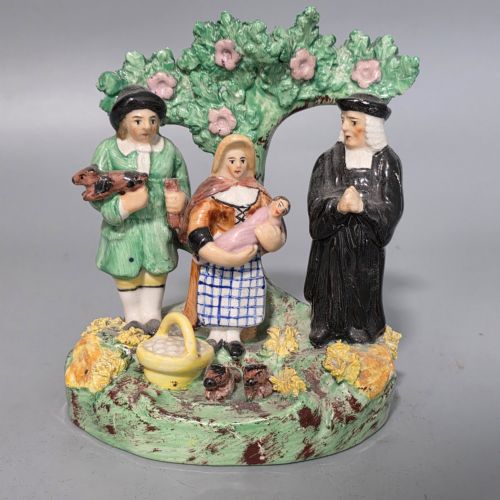
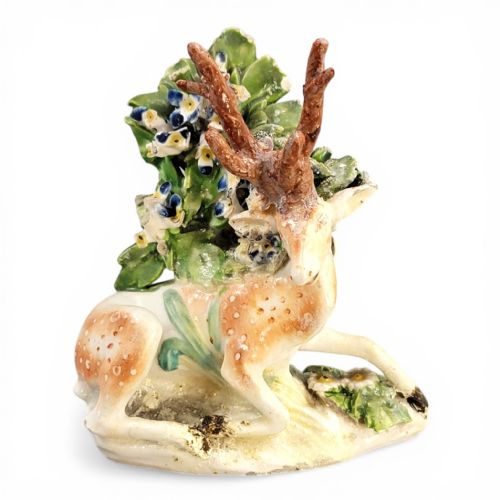
Porcelain pieces frequently incorporated intricate bocage backgrounds - sculpted ceramic foliage - while earthenware examples relied on fluid pearlware glazes to enhance the modelled details.
Georgian Ceramic Figurines Retail Price Guide 2026
Typical asking prices for georgian ceramic figurines among the pieces listed under this phrase on Sellingantiques today, from the lower quarter to the upper quarter. They describe what is for sale here now, not the wider market.
Several ceramic pugs and recumbent stags keep a watchful, unblinking eye on twenty-first-century mantelpieces.
Distinctions in craftsmanship
Early porcelain output shows superior translucency and intricate detailing in auxiliary elements like bocage leaves, whereas lower tiers exhibit heavier potting and simpler decorative strokes.
Derby Porcelain·Bow Porcelain·Longton Hall·Minton Porcelain·Bloor Derby
The Georgian Ceramic Figurines Glossary
- Soft-paste porcelain
- A vitreous ceramic composition developed in Europe before the discovery of true hard-paste porcelain. It fires at lower temperatures and accepts colourful enamel glazes with great depth.
- Pearlware
- An earthenware body developed by Josiah Wedgwood and adopted by other potteries, featuring a bluish-white glaze that pooled in recesses to imitate Chinese export porcelain.
- Bocage
- An ornamental background of modelled and pierced foliage applied behind figures. It is characteristic of mid-eighteenth-century porcelain production.
- Biscuit porcelain
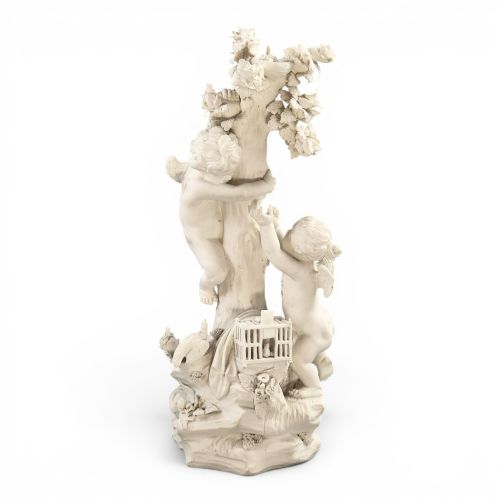
- Unglazed ceramic ware fired once to maturity, resulting in a matte, marble-like surface texture. It was frequently utilised for classical figures and allegorical groups.
- Patch mark
- A small, unglazed blemish on the underside of early porcelain figures caused by supports inside the kiln during firing.
Georgian Ceramic Figurines: Frequently Asked Questions
How were ceramic figures displayed?
These figures were designed to adorn mantelpieces, side tables, and dining room consoles in wealthy homes. They served as conversation pieces reflecting the owner's cultural interests and taste.
Pairs of figures were often arranged symmetrically alongside candlesticks or garniture sets to create balanced interior displays during the Georgian period.
What is the difference between porcelain and pearlware?
Porcelain is a vitrified, finer ceramic material that can possess a translucent quality when held to the light. It allows for delicate modelling and precise enamel painting.
Pearlware is a refined earthenware covered in a slightly bluish glaze. It is heavier and opaque, often moulded with bolder relief details.
Why do some figures have leafy backgrounds?
The leafy backgrounds are known as bocage, which represents natural foliage and woodland settings. This technique helped frame pastoral and mythological subjects.
Bocage also added structural support to fragile porcelain limbs and added visual richness to mantelpiece displays.
How can I identify an early Derby piece?
Early Derby figures often exhibit characteristic patch marks on the base where they rested on kiln supports. The paste tends to show slight variations and translucency differences specific to eighteenth-century recipes.
Modelling style also aids identification, referencing documented factory model numbers for subjects like animals or seasonal allegories.