






Antique Deer Figurines
These antique deer figurines bring the quiet grace of the forest indoors, crafted across centuries in bronze, porcelain, and earthenware.
Antique Deer Figurines
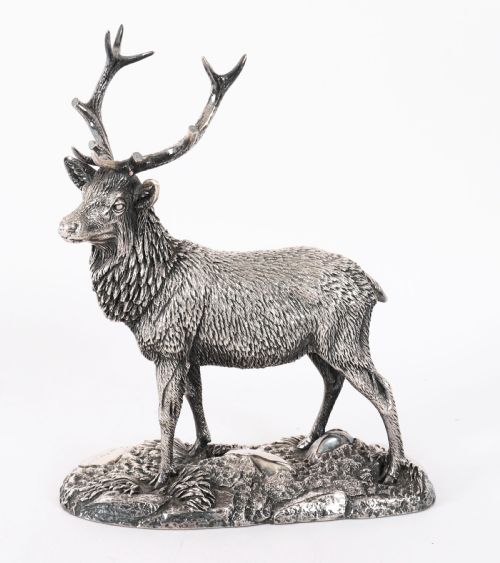
When you search for antique deer figurines, you encounter a remarkable diversity of forms ranging from Georgian porcelain groups to 1930s spelter Art Deco pieces. The examples met on this page span the eighteenth, nineteenth, and twentieth centuries, capturing stags, does, and fawns in various resting and standing postures.
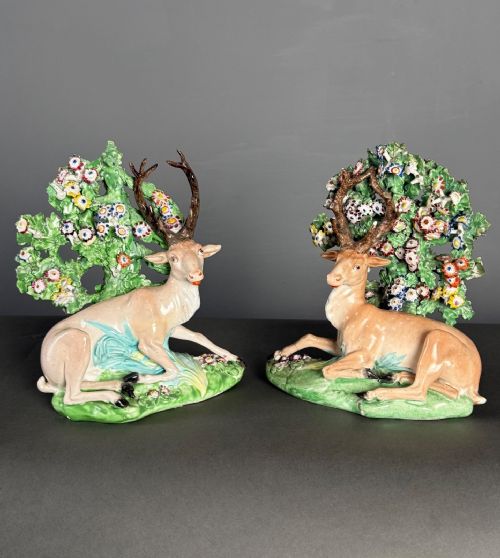
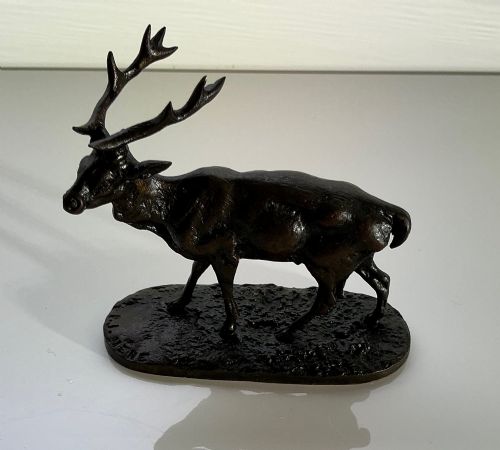
The objects take many shapes, including sculptural bronze studies, Staffordshire pottery spill vases, and delicate porcelain figures complete with bocage foliage. Makers and modellers render these animals with distinct national flavours, from French Animalier bronzes to English factory figures.
You find domestic tabletop sculptures alongside functional items such as silver pin cushions and spill vases designed for the mantelpiece. The materials shift from early earthenware and soft-paste porcelain to later bronze, spelter, and sterling silver.
How They Were Made
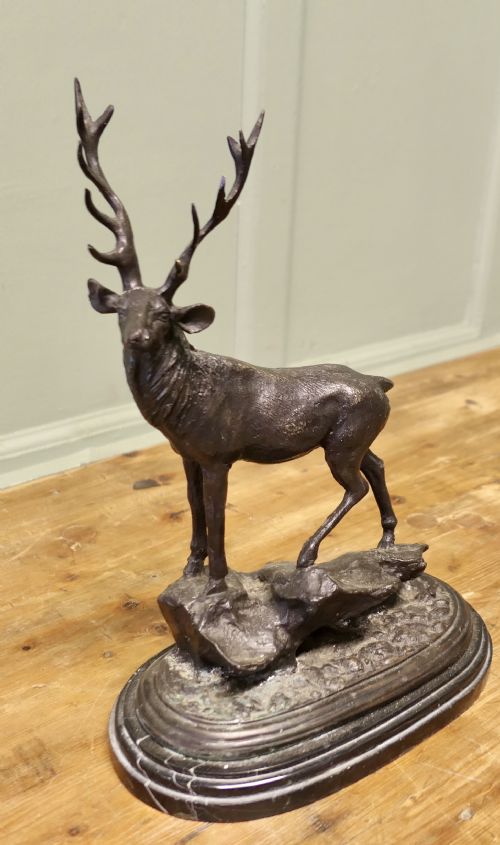
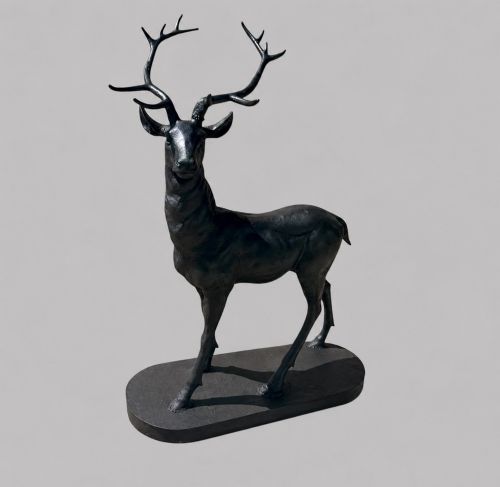
Metal sculptures utilise the lost-wax casting technique for bronze, allowing intricate rendering of antlers, musculature, and fur textures before mounting on marble or onyx plinths. Spelter figures provide a lighter, more economical alternative cast from zinc alloys during the Art Deco era, often finished with metallic patination.
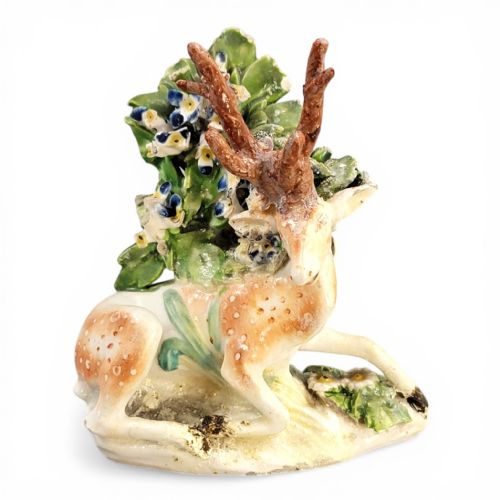
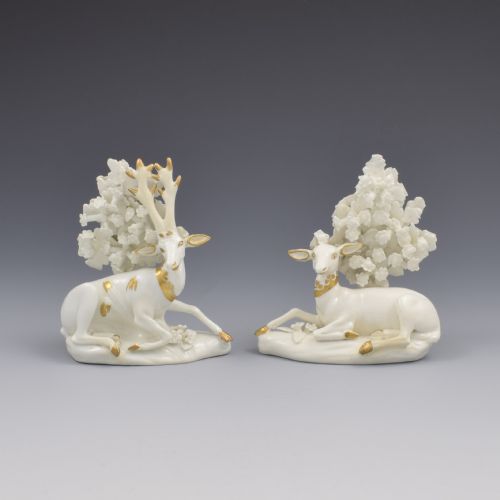
Ceramic examples rely on soft-paste porcelain or earthenware bodies shaped in moulds, then hand-painted with enamels and sometimes embellished with applied floral bocage backgrounds. Early Staffordshire pottery pieces use pearlware glazes and underglaze colours to define the earthenware forms.
Listings feature periods from Georgian and 18th Century pieces through Victorian works to 1930s Art Deco.
What Varies in Quality
The nuance of the modelling dictates the visual success of the piece, separating static, mass-produced casts from spirited sculptures that capture the taut muscle and alert posture of a stag. In bronzes, the crispness of the chase-work and the depth of the patination determine the sophistication of the final surface.
For porcelain and pottery, the preservation of delicate hand-painted enamel details and fragile bocage leaves elevates an example above heavily restored or worn pieces. The integration between the animal figure and its base, whether a carved rock, a marble plinth, or a pottery mound, reveals the original maker's ambition.
Tom Mackie·PJ Mene·Derby·Walton·A L Barye·Isidore Bonheur·I Rochard·Jules Moigniez
The Antique Deer Figurines Glossary
- Animalier
- A nineteenth-century artistic movement focused on the realistic depiction of animals, particularly predators and stags. Practitioners utilised bronze casting to capture dynamic wildlife studies.
- Bocage
- An applied background of ceramic foliage and leaves common on eighteenth-century porcelain figures. This decorative element frames the central stag or doe subject.
- Spelter
- A zinc alloy used as a cost-effective substitute for bronze, especially during the Art Deco period. It takes patination well to simulate heavier metal finishes.
- Pearlware
- A refined type of earthenware developed in the late eighteenth century featuring a subtle blue-tinted glaze. It serves as the body for many early Staffordshire figures.
- Spill vase
- A hollow ceramic vessel designed to hold taper candles or wooden spills for lighting fires. These practical objects often incorporated figures of deer at the base.
Antique Deer Figurines: Frequently Asked Questions
How do I date an antique deer figurine?
Dating relies upon stylistic markers, material composition, and manufacturing techniques characteristic of specific periods like the Georgian era or the 1930s. Examining the base, glaze type, or foundry marks provides further chronological clues.
Pottery pieces often show crazing or unglazed foot rims typical of eighteenth and nineteenth-century kilns, while bronze sculptures bear signatures or patinations tied to known ateliers.
What is an Animalier deer bronze?
An Animalier bronze is a nineteenth-century sculpture focused on the precise anatomical study of animals in naturalistic poses. Artists in this tradition observed wildlife closely to render musculature and movement accurately.
These pieces typically feature rich patinas and are mounted on heavy bases of marble, onyx, or cast bronze.
Where were Staffordshire deer spill vases placed?
Staffordshire pottery spill vases sat on mantelpieces in nineteenth-century homes where they held wooden spills used to transfer flames from the hearth to candles and pipes. Their colourful earthenware glazes added cheerful decoration to domestic interiors.
The hollow trunk served the functional purpose of holding the spills while the deer figure stood beside it.
How do I care for bronze deer sculptures?
Bronze sculptures require dusting with a soft, dry cloth and occasional treatment with specialist microcrystalline wax to protect the patina. Avoid using harsh chemical cleaners or abrasive materials that strip the surface finish.
Keep the pieces away from direct sunlight and damp environments to preserve the integrity of the metal and any marble plinths.
Are spelter deer figures fragile?
Spelter is a softer, more brittle alloy than bronze and requires careful handling to prevent bending or breaking of slender parts like antlers and legs. Art Deco spelter figures often feature painted or electroplated finishes that can scratch easily.
Display these decorative objects away from high-traffic areas where they might be knocked or dropped.