




Antique Ceramic Stags
These antique ceramic stags bring the sculptural weight of eighteenth-century and nineteenth-century ceramic figures straight into a room.
Antique Ceramic Stags
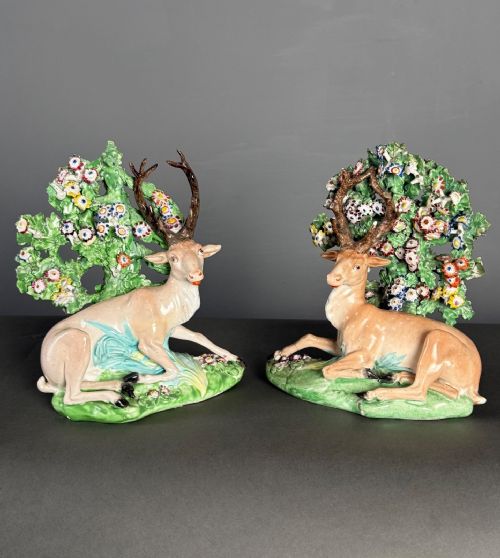
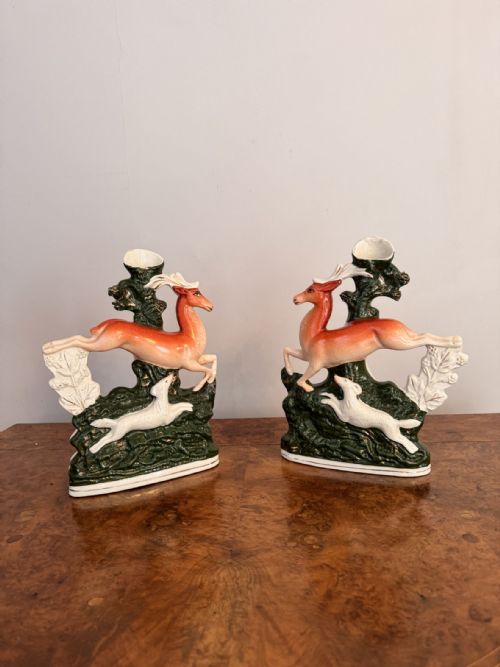
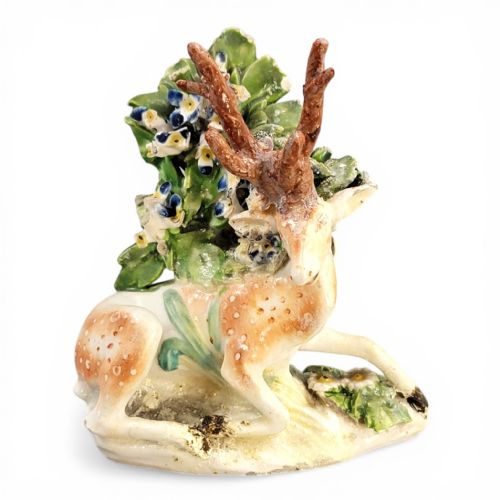
When you search for antique ceramic stags, you encounter a range of sculptural figures and vessels originating from British and international kilns. These objects span from Georgian Derby porcelain pieces to nineteenth-century Staffordshire pottery spill vases.
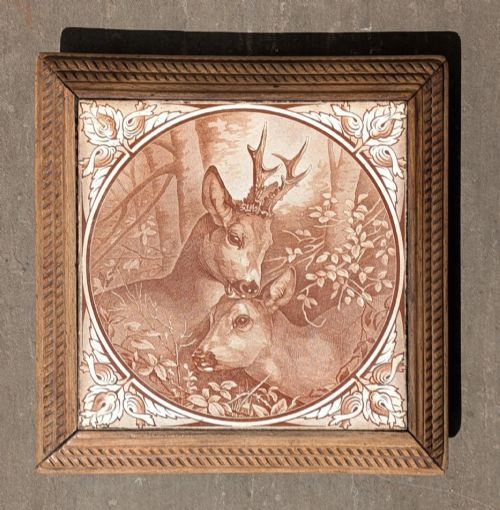
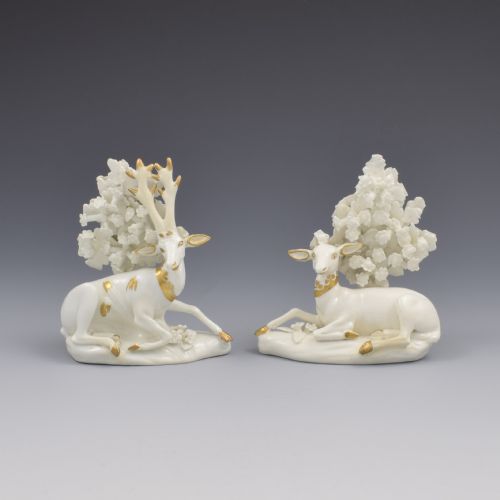
The versions you are most likely to meet on this page include recumbent stag figures, pairs of deer, and spill vases modelled in earthenware and soft-paste porcelain. Many take the form of animals integrated with foliage or architectural settings.
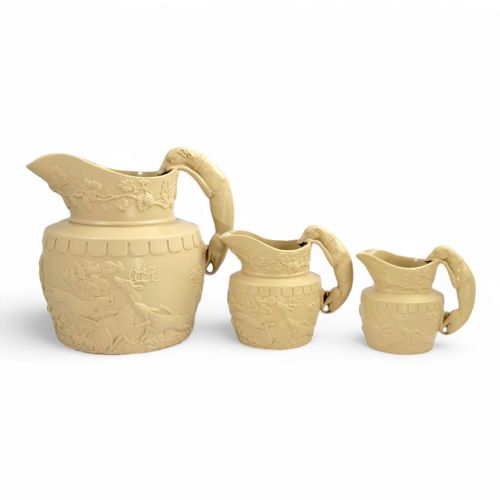
The forms extend from small cabinet figures to larger decorative objects, sometimes incorporating functional elements like pitcher bodies or spill holders alongside the central stag motif.
Materials and construction
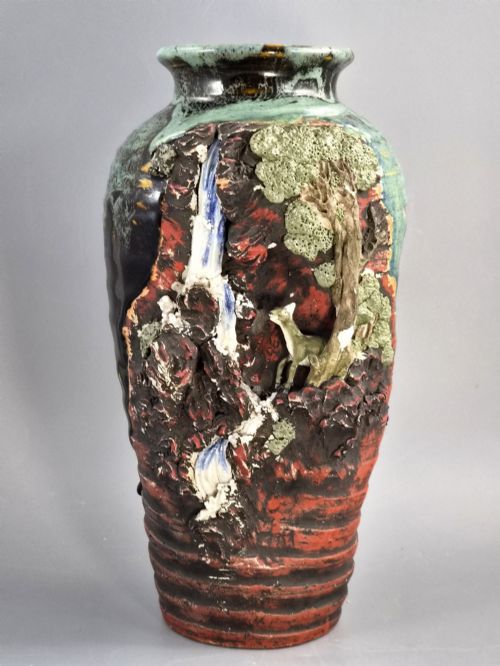
The pieces recorded in the evidence utilise ceramic bodies ranging from soft-paste porcelain and earthenware to stoneware and enamel-decorated surfaces. Potters shaped these materials using moulds, hand-forming, and applied relief moulding to achieve the sculptural forms of deer and surrounding landscapes.
Surface decoration relies on coloured glazes and enamel painting, sometimes enhanced by bocage work representing foliage and trees. Certain items incorporate auxiliary materials such as wooden stands or oak components to support the ceramic elements.
Some nineteenth-century pitchers double as hunting scenes by giving their handles the shape of eager hounds.
Assessing quality and execution
The balance of the composition and the preservation of the original painted surface separate finer porcelain and earthenware pieces from simpler production. Period context also plays a role, with eighteenth-century soft-paste porcelain carrying distinct characteristics compared to later nineteenth-century Staffordshire output.
Derby·Staffordshire Pottery·Phillips and Bagster·Bloor Derby
The Antique Ceramic Stags Glossary
- Bocage
- Applied ceramic foliage and background greenery, often seen behind figures in eighteenth-century porcelain. This leafy screen adds depth and fragility to the composition.
- Spill vase
- A hollow vertical vessel designed to hold taper matches for lighting candles and pipes. These objects usually incorporate the animal figure alongside the central tube.
- Recumbent
- An animal depicted in a resting or lying-down posture with the legs folded underneath. This pose is common in early porcelain stag figures.
- Soft-paste porcelain
- An artificial porcelain body fired at lower temperatures than hard paste, developed in European factories during the eighteenth century. It exhibits a warm, milky translucency under glaze.
- Relief moulded
- A decorative technique where ornament is raised above the background surface using a prepared mould during shaping. This method creates sharp surface patterns on jugs and pitchers.
Antique Ceramic Stags: Frequently Asked Questions
What are ceramic spill vases?
Spill vases are hollow vessels featuring decorative figures that were placed on mantelpieces to hold wooden spills for lighting fires and candles.
They combine practical function with sculptural display, often depicting animals like stags within natural settings.
How do I identify a Georgian stag figure?
Georgian figures typically utilise soft-paste porcelain or earthenware materials characteristic of eighteenth-century manufacturing methods.
Look for detailed hand-painted enamel decoration and characteristic recumbent or standing poses associated with period factories.
Where should I display these figures?
These ceramic stags suit placement on mantelpieces, bookshelves, or dedicated display cabinets where their sculptural forms can be appreciated.
Keep them away from areas with high foot traffic or direct sunlight to protect the enamel surfaces.
What is porcelain bocage?
Bocage refers to the applied ceramic leaves and branches arranged behind figures to simulate a natural woodland background.
This delicate foliage work requires careful handling due to the intricate nature of the fired clay.