

Antique Animal Statues
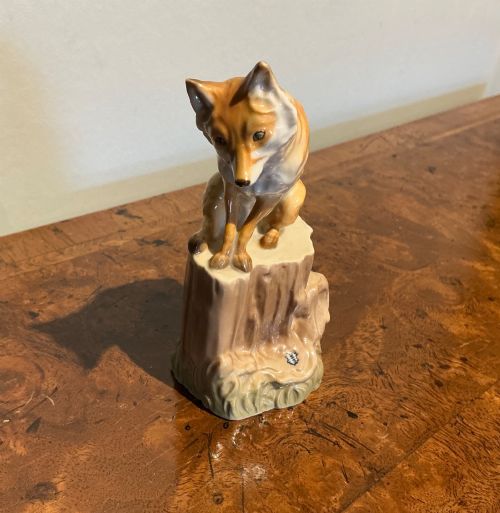
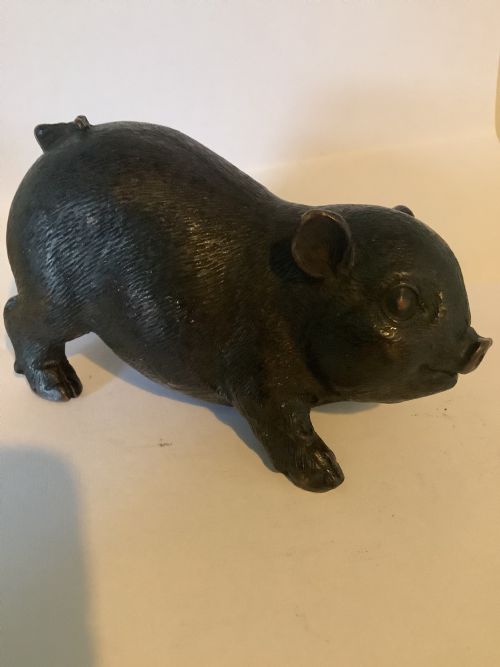
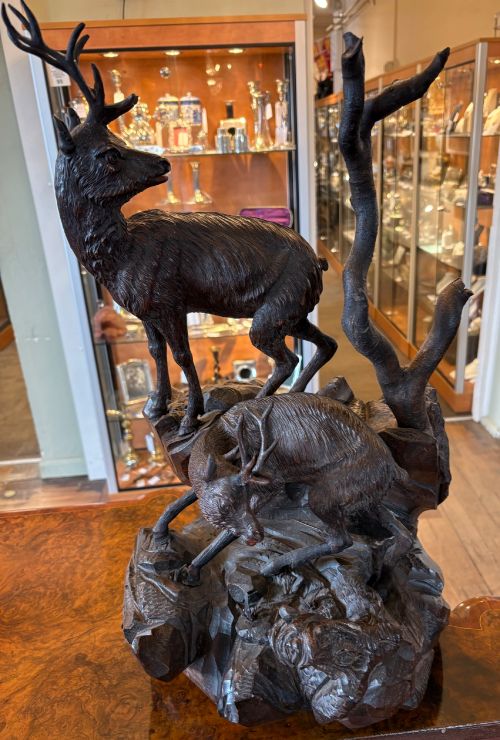
These antique animal statues capture beasts and birds in bronze, carved wood, and glazed pottery across the nineteenth and twentieth centuries.
Antique Animal Statues
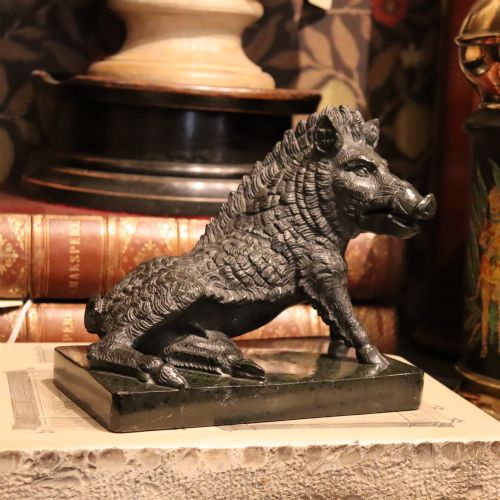
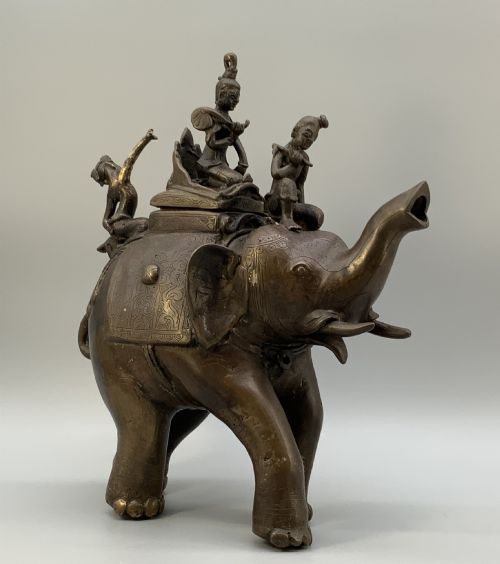
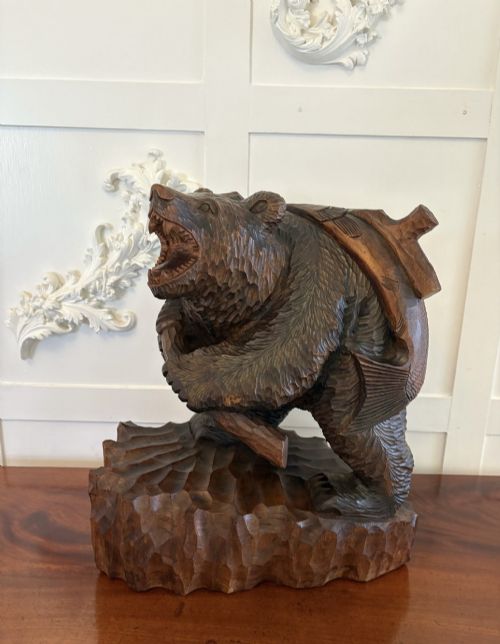
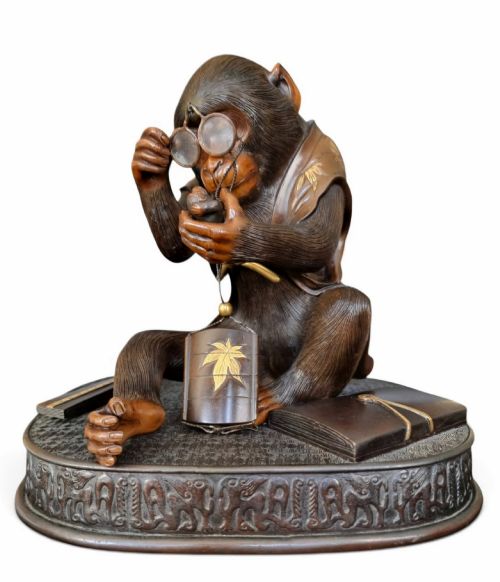
Antique animal statues span realistic beasts, domestic pets, and mythical creatures modelled across the nineteenth and twentieth centuries. Buyers encounter French animalier bronzes, Black Forest linden wood carvings, Meissen porcelain figures, and Japanese Meiji period bronzes.
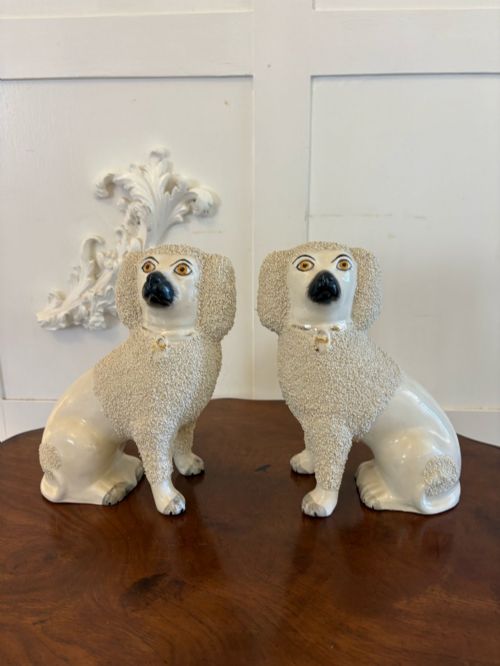
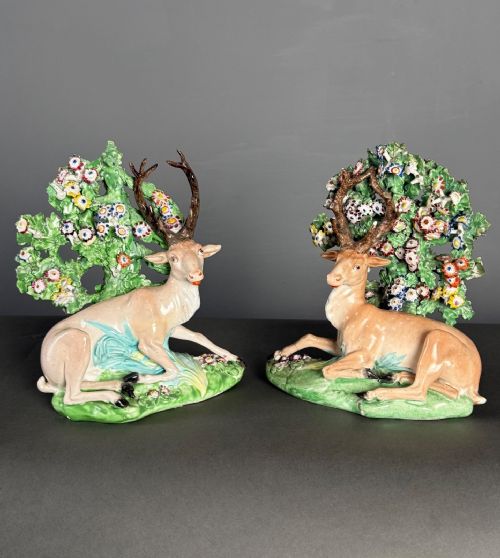
The selection ranges from cabinet-sized table ornaments to substantial floor sculptures in bronze, earthenware, and carved timber. Staffordshire pottery pairs and cold-painted Austrian bronzes appear frequently alongside Asian bronze okimono.
Nineteenth-century Victorian pieces sit alongside Art Deco works from the mid-century, reflecting shifts in taste from naturalistic academic study to stylised modern forms.
Materials and Technique
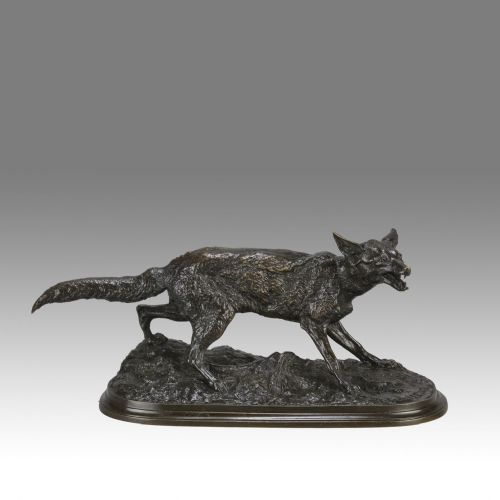
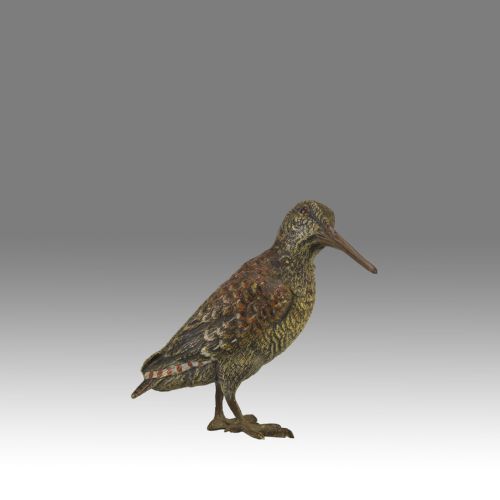
Foundry bronze production relies on the lost-wax casting method, allowing intricate musculature, fur texture, and patination to emerge before hand-chasing and acid treatment. Cold-painted bronze applies vibrant enamel colours to finished metal bases without a subsequent kiln firing.
Carved wooden figures utilise seasoned linden timber or pine, shaped with gouges and chisels to capture the dense fur of bears and cattle in the Black Forest tradition. Ceramic pieces employ earthenware, stoneware, or porcelain bodies finished with tin glazes or hand-painted enamels.
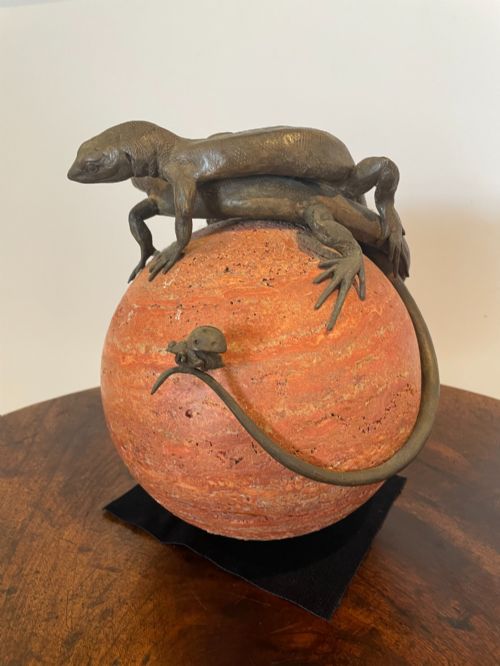
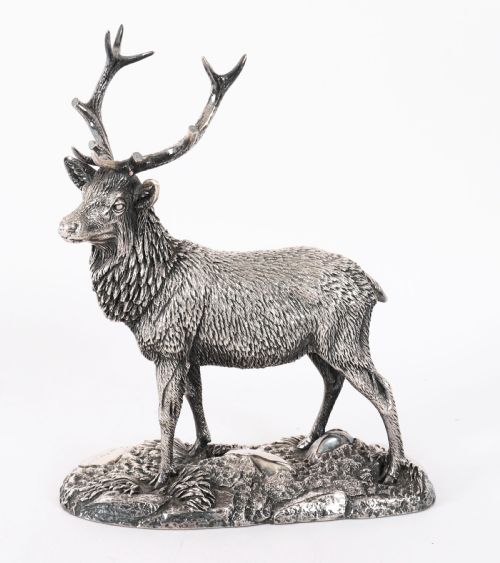
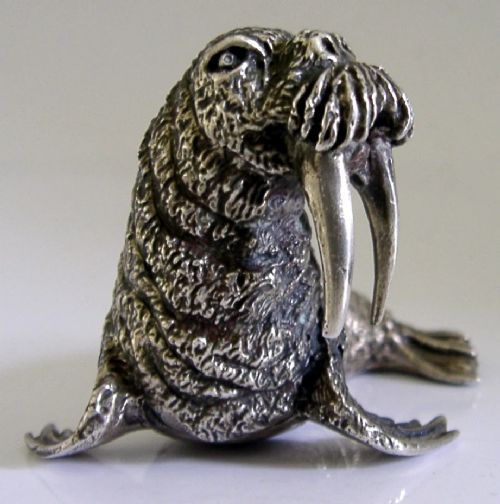
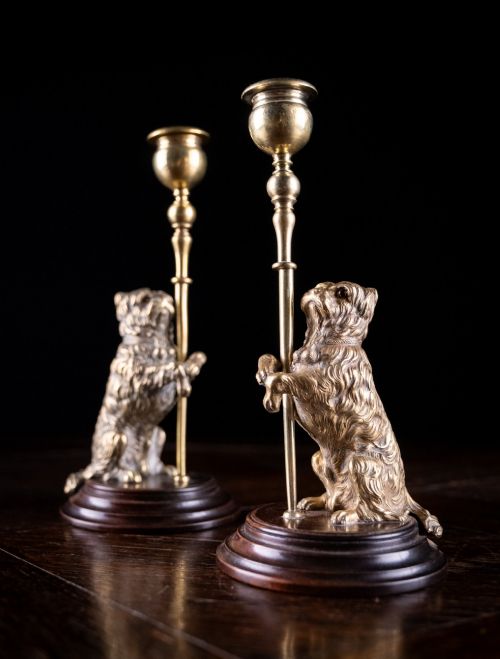
Mixed-metal applications combine bronze, silver, and copper elements to delineate contrasting textures and tones within a single subject.
Listings feature nineteenth and twentieth-century animal statues cast in bronze, carved from linden wood, and modelled in pottery and porcelain.
Craftsmanship and Execution
Quality rests upon the crispness of the initial model and the precision of the post-casting chase work, where finer chiselling defines individual hairs, feathers, and anatomical contours. Weaker examples show blurred surface details, thick paint layers masking crude metal, or heavy factory casting seams.
In carved wood and ceramic works, the vitality of the posture and the accuracy of the proportional rendering separate master production from commercial output. Original patination and untouched surface finishes retain higher integrity than aggressive modern cleaning or repainting.
P J Mêne·Franz Bergman·Christophe Fratin·Alexandre Ouline
The Antique Animal Statues Glossary
- Animalier
- A nineteenth-century artistic movement dedicated to the realistic portrayal of animals, particularly associated with French bronze sculptors. Works from this school focus on dynamic movement and anatomical precision.
- Cold-painted bronze
- Metal sculptures decorated with non-firing enamel paints applied directly to the bronze surface. This technique was popularised by Viennese workshops in the late nineteenth and early twentieth centuries.
- Okimono
- Japanese decorative figurines designed for display on a household altar or within a tokonoma alcove. These carvings frequently depict animals, folk characters, and historical scenes in bronze, ivory, or wood.
- Patination
- The chemical or natural surface coloration developed on bronze, copper, and silver over time or through applied acids. A desirable patination enhances sculptural depth and indicates age.
- Staffordshire figures
- Earthenware pottery figures produced in the English Midlands during the nineteenth century for domestic mantelpiece display. These pieces are typically slip-cast and hand-painted under a clear lead glaze.
Antique Animal Statues: Frequently Asked Questions
How do I clean antique bronze animal statues?
Dust gently with a soft, dry brush to prevent dirt accumulation in recessed crevices. Avoid commercial metal polishes, abrasive cloths, or water, as these treatments strip the historical patination.
Apply a very thin coat of microcrystalline wax if the metal appears dry, buffing it away immediately with a clean cotton cloth to preserve the finish.
What is the difference between cold-painted and patinated bronze?
Patinated bronze derives its colour from chemical reactions on the metal surface, creating tones of brown, green, or black that become an integral part of the material. Cold-painted bronze relies on opaque enamel paints applied over the metal substrate.
Cold-painted surfaces remain susceptible to flaking if handled improperly, whereas chemical patinas prove more durable under standard display conditions.
How can I tell a Meiji period bronze from later copies?
Meiji period Japanese bronzes exhibit meticulous hand-chasing, precise signature plaques or incised marks, and dense multi-part construction. The casting walls tend to be heavier and more balanced than modern tourist replicas.
Examine the underside for casting seams, plugged core holes, and natural wear patterns consistent with late nineteenth-century workshop practices.
Where should I place wooden animal carvings at home?
Keep wooden sculptures away from direct sunlight, heating vents, and damp environments to prevent timber warping or cracking. Linden wood and pine respond poorly to rapid humidity fluctuations.
Position pieces on stable, level surfaces where air circulates freely around the base and sides.