




Georgian Porcelain Animal
When you handle a georgian porcelain animal, you hold tangible history shaped in soft-paste porcelain and earthenware during the eighteenth and nineteenth centuries.
Georgian Porcelain Animal
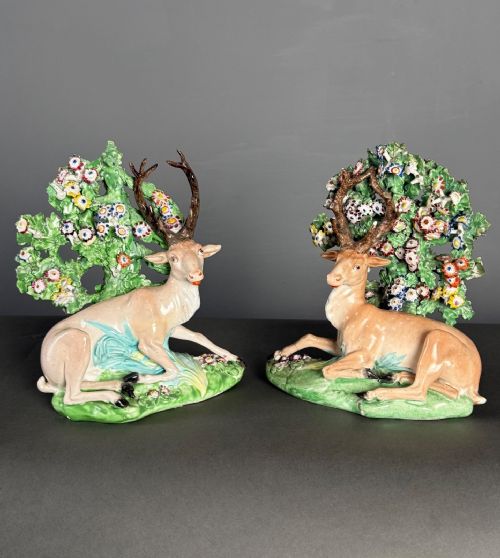
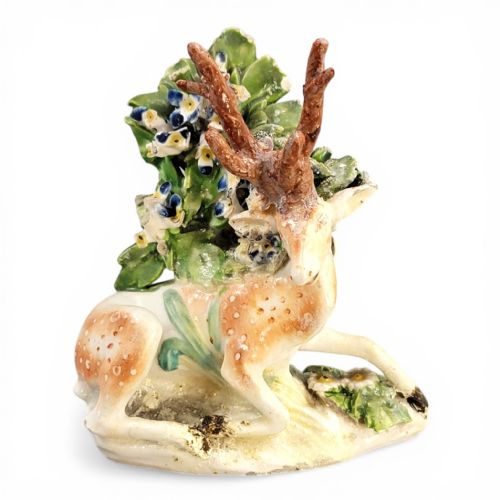
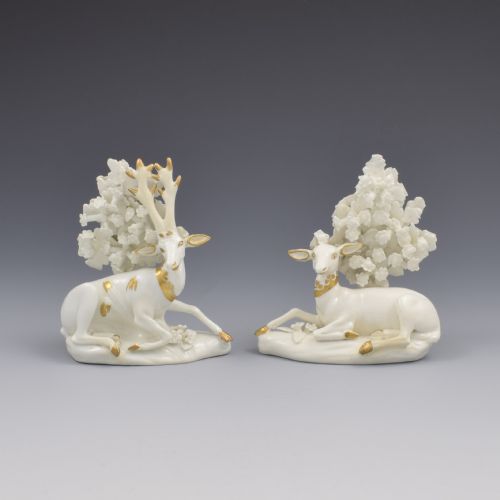
A georgian porcelain animal brings domestic or wild creatures into ceramic form, encompassing recumbent stags, snow leopards, wild boars, sheep, deer, and gundogs. These pieces span the Georgian, Regency, and George III eras, reaching into the early nineteenth century with distinct styles such as Rococo and Georgian Rococo.
You are most likely to meet Derby porcelain figures among these listings, particularly recumbent stags, pairs of deer, and grazing sheep. Minton and Staffordshire pearlware also appear, offering alternative interpretations of animals through lead glaze and enamel decoration.
The objects range from single figures like grazing ewes and gundogs to matched pairs of wild boars and stags with bocage backgrounds. Their forms function purely as decorative figurines and decorative objects rather than utility wares.
Assessing quality in ceramic figures
Quality rests in the crispness of the modelling and the precision of the enamel painting, distinguishing lively interpretations from stiff copies. Subtle details in the animal's posture and the application of the glaze reveal the modeller's skill.
The presence of characteristic manufacturing marks, such as patch marks on early Derby pieces, assists in placing the work within its proper period. Preservation of delicate elements like bocage foliage further separates superior survivors from heavily restored examples.
Listings span the Georgian and 19th Century periods, encompassing soft-paste porcelain, pearlware, and earthenware materials.
Derby·Bloor Derby·Minton·Staffordshire
The Georgian Porcelain Animal Glossary
- Soft-paste porcelain
- A glassy ceramic composition fired at lower temperatures than hard-paste porcelain, common in eighteenth-century English factories. It yields a warm, slightly creamy body ideal for soft enamel adhesion.
- Bocage
- An openwork background of leaves and branches applied behind ceramic figures. This Staffordshire and Derby convention mimics a natural woodland setting.
- Pearlware
- An improved earthenware body developed by Josiah Wedgwood, featuring a faint bluish glaze that pooled in recesses. It bridges the gap between creamware and later white earthenwares.
- Lead glaze
- A transparent glassy coating containing lead oxide, applied to earthenware and pearlware to waterproof the body and enrich underlying colours. It produces a glossy, reflective surface.
- Enamel
- Opaque coloured glass fused to the surface of fired porcelain during a secondary low-temperature kiln run. This technique allowed vibrant palettes on figures like stags and leopards.
Georgian Porcelain Animal: Frequently Asked Questions
What animals appear in georgian porcelain?
Stags, deer, wild boars, sheep, snow leopards, and gundogs populate these listings. Makers focused heavily on British wildlife and exotic creatures interpreted through contemporary ceramic traditions.
Derby factories produced numerous stag and sheep models, whilst Staffordshire makers contributed pearlware leopards and other sculptural forms.
How do you date a porcelain animal?
Dating relies on identifying the factory style, the ceramic body type, and manufacturing indicators such as patch marks. Soft-paste porcelain and specific model numbers point toward eighteenth-century origins.
Later pieces from the nineteenth century shift toward pearlware bodies and factories like Minton, reflecting changing ceramic technology and aesthetic tastes.
What is ceramic bocage?
Bocage represents applied foliage and branches forming a leafy screen behind a figure. It provides structural support while creating a picturesque woodland backdrop for animals.
This decorative convention appears frequently on eighteenth-century Derby groups, framing stags and does.
Where were these figures made?
Production centred in historic ceramic manufacturing regions of England, primarily Derbyshire and Staffordshire. Factories such as Derby operated major porcelain works.
Staffordshire potteries produced earthenware alternatives like pearlware leopards, contributing to the diverse regional output of animal figures.