


Collectable Ceramics
These collectable ceramics span centuries of porcelain, earthenware and bone china, offering figures, vases and vessels shaped by notable makers and diverse periods.
Collectable Ceramics
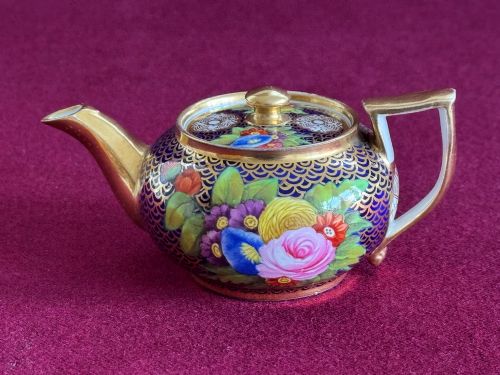
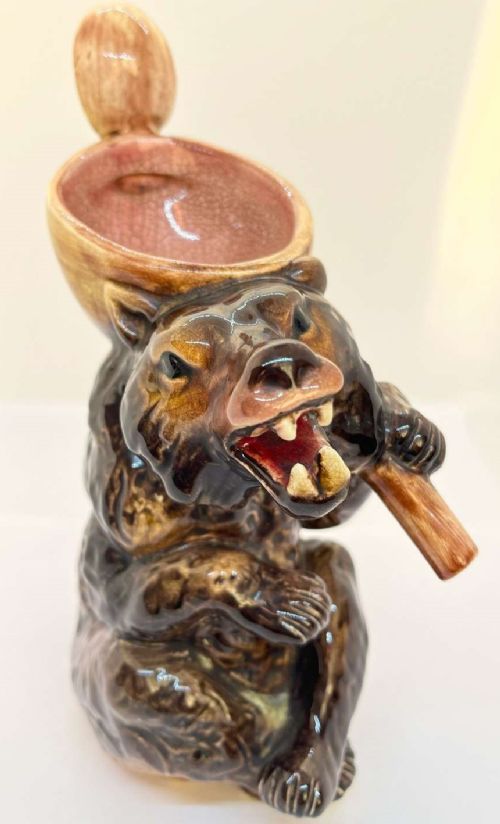
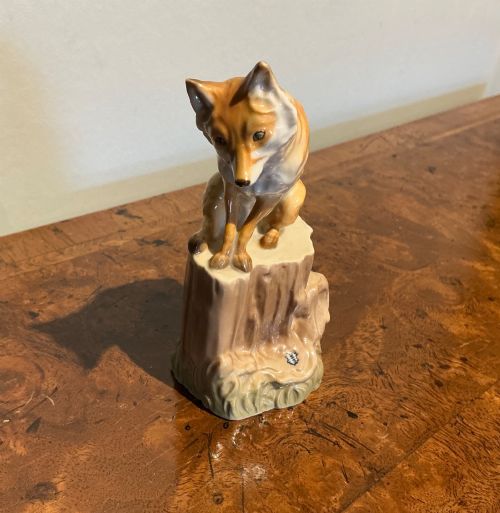
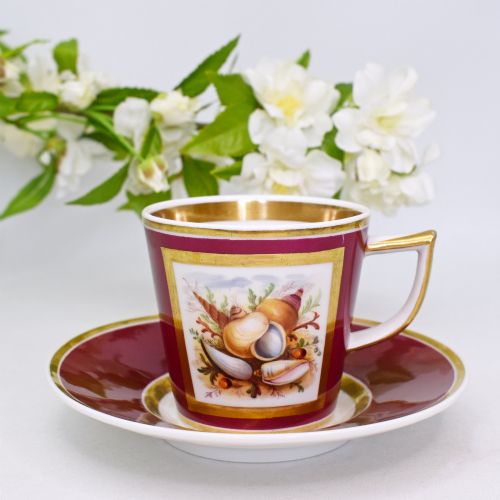
When you search for collectable ceramics, you encounter a broad spectrum of items ranging from Georgian porcelain mugs and Regency toy teapots to Victorian majolica bear jugs and Staffordshire animal figures. These objects encompass functional tableware alongside purely decorative ornaments like figurines and vases.
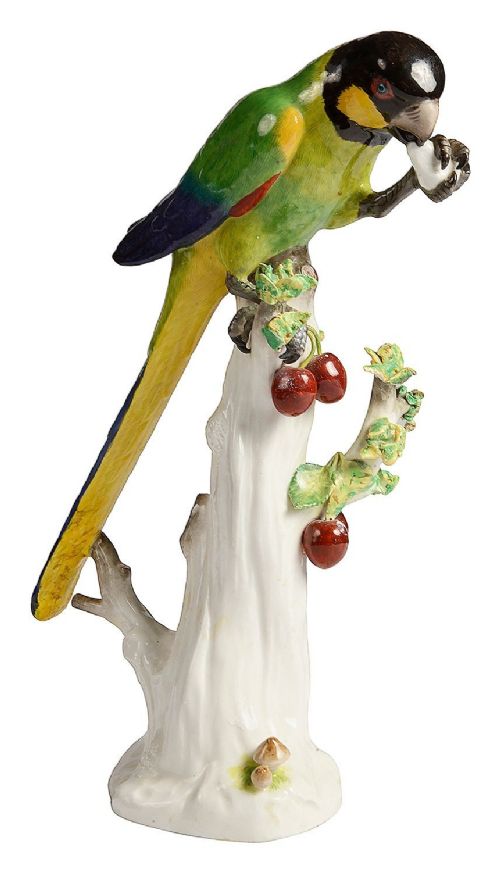
The selection on this page relies heavily on English porcelain and earthenware, supplemented by continental figures and Japanese export pieces. Figures and vases dominate the forms, reflecting both domestic display preferences and historical manufacturing output.
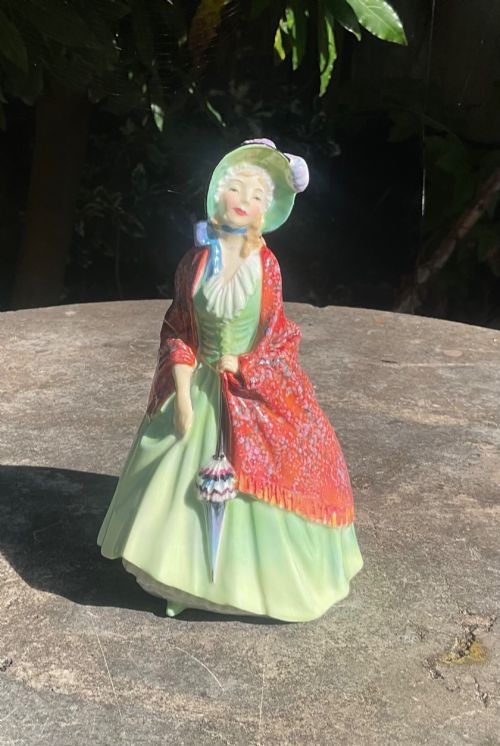
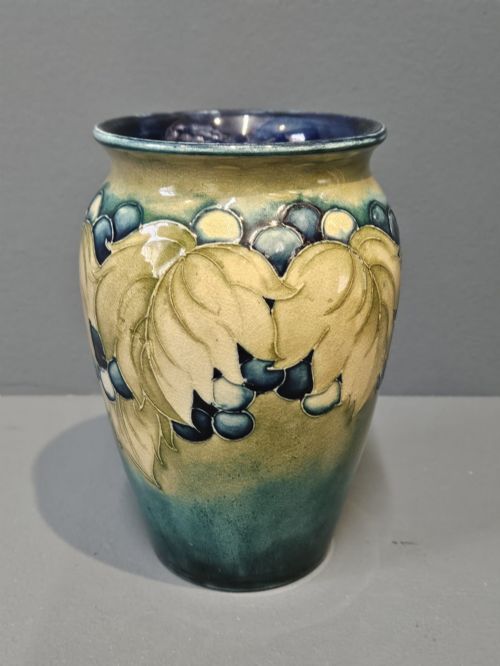
Periods represented stretch from the eighteenth century through the Georgian, Victorian, and Edwardian eras into the Art Deco designs of the 1930s and 1940s. Buyers frequently discover Royal Doulton figurines alongside Moorcroft vases and Wedgwood lustre wares.
Materials and methods
Makers utilised earthenware, bone china, pearlware and hard-paste porcelain, shaping them into plates, flagons, teapots and sculptural forms. Bodies were formed using moulds or thrown on wheels before receiving intricate hand-painted designs, printed transfers or applied reliefs in jasperware.
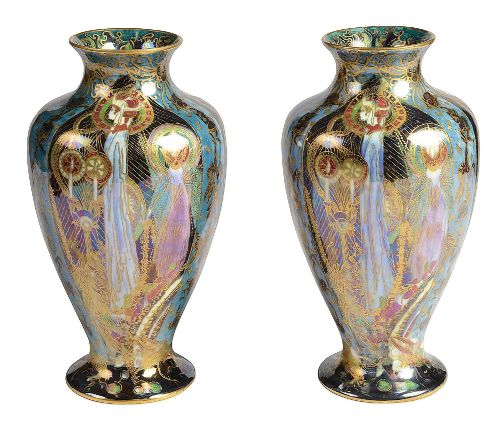
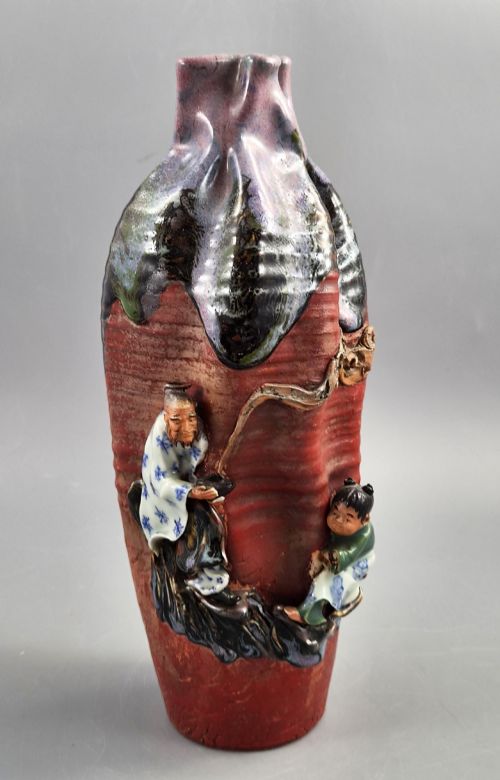
Glazes define the surface character of these pieces, varying from clear lead glazes and rich enamel colours to gold leaf additions and specialised lustre effects. Kiln firing fixed the mineral pigments, while specific glazes like celadon and flambé produced deep, variegated surface tones.
Several Victorian bears and leopards gaze steadfastly from nineteenth-century shelves, supervising tea services and decanters with stony patience.
Distinctions in quality
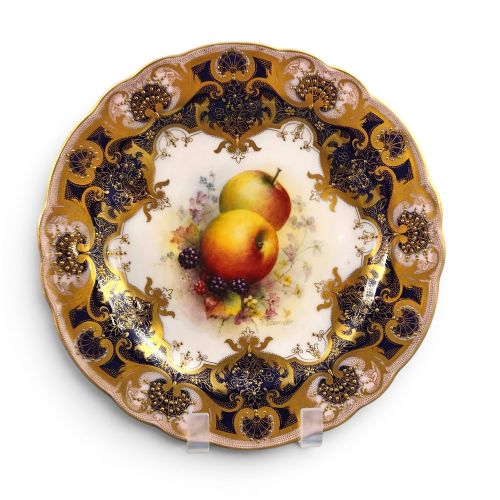
Quality rests upon the crispness of the modelling in figures and the precision of the hand-painting across plates and vases. Superior examples display detailed facial expressions on human and animal subjects, alongside controlled application of enamels and gilding.
The reputation of the pottery and the skill of the decorator drive higher execution levels, visible in works associated with named artists and established factories. Intricate design schemes, such as lustre effects and complex multi-figure compositions, separate standard production pieces from masterworks.
Royal Doulton·Meissen·Wedgwood·Moorcroft·Royal Worcester·Charles Vyse·Spode·Holdcroft
The Collectable Ceramics Glossary
- Bone china
- A type of soft-paste porcelain incorporating animal bone ash, providing strength and a characteristic milky translucency.
- Majolica
- A heavy earthenware pottery covered with an opaque tin-lead glaze and brightly coloured metallic oxide pigments.
- Pearlware
- A refined form of earthenware developed in the late eighteenth century with a bluish-white glaze intended to mimic true porcelain.
- Lustre ware
- Pottery finished with a metallic glaze that creates an iridescent, reflective surface sheen.
- Jasperware
- A type of unglazed stoneware pioneered by Wedgwood, featuring applied white ceramic reliefs against a coloured matte background.
Collectable Ceramics: Frequently Asked Questions
What periods do these ceramics cover?
The inventory spans multiple centuries, beginning with eighteenth-century pieces and moving through Georgian, Regency and Victorian eras. Twentieth-century examples include Edwardian items and Art Deco designs from the 1930s and 1940s.
This chronological spread allows collectors to trace changing tastes in domestic display, table service and sculptural ornamentation across distinct design movements.
How are different ceramic bodies identified?
Ceramic bodies are distinguished by their weight, opacity and composition, moving from porous earthenware to refined bone china and hard-paste porcelain. Pearlware possesses a faint blue tint in the glaze pooled in crevices, whereas bone china shows translucency when held to the light.
Studio pottery and factory wares each exhibit specific handling of clay bodies, reflecting the technological capabilities and aesthetic goals of their respective periods.
How were figural ceramics used historically?
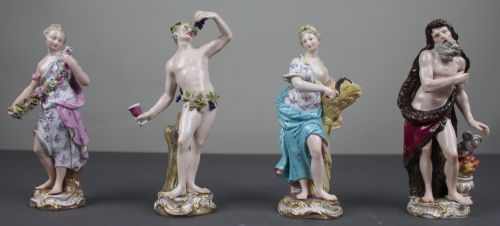
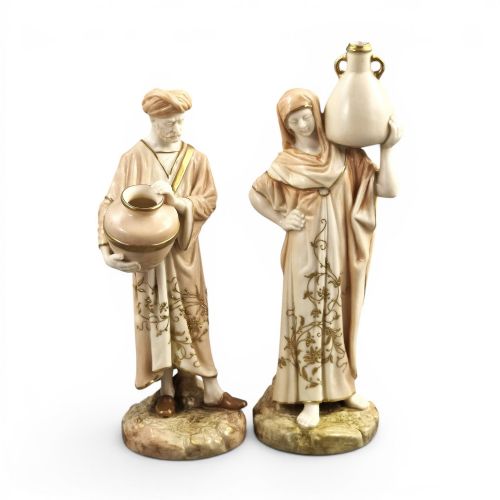
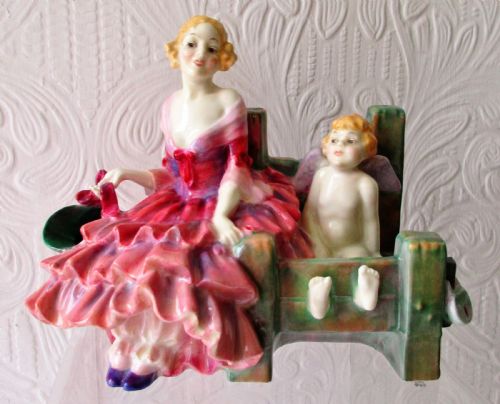
Figurines and decorative groups served primarily as mantelpiece ornaments and table centerpieces for wealthy households during the Georgian and Victorian periods. They often depicted literary characters, royalty, allegorical subjects like the seasons, or everyday rural figures.
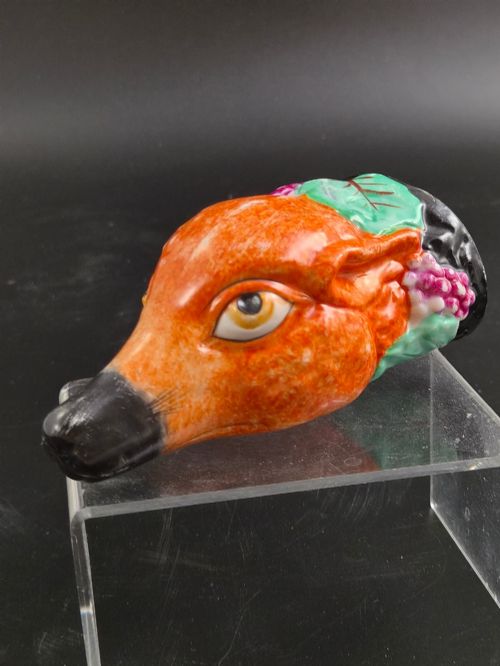
Other ceramic forms, such as stirrup cups, spirit flagons and money boxes, combined sculptural animal and human forms with functional drinking or saving purposes.
How should lustre wares be displayed?
Lustre wares benefit from placement near natural light sources that activate their iridescent metallic surfaces and catch the play of colour across the glaze. Vases and bowls decorated with complex lustre designs require open space to reveal their full decorative scheme.
Keeping these pieces away from direct, prolonged sunlight helps preserve the stability of the enamel and metallic sheen over time.