


Derby Porcelain Vase
These derby porcelain vase examples bring hand-painted floral panels and rich gilding from historic kilns straight to your mantelpiece.
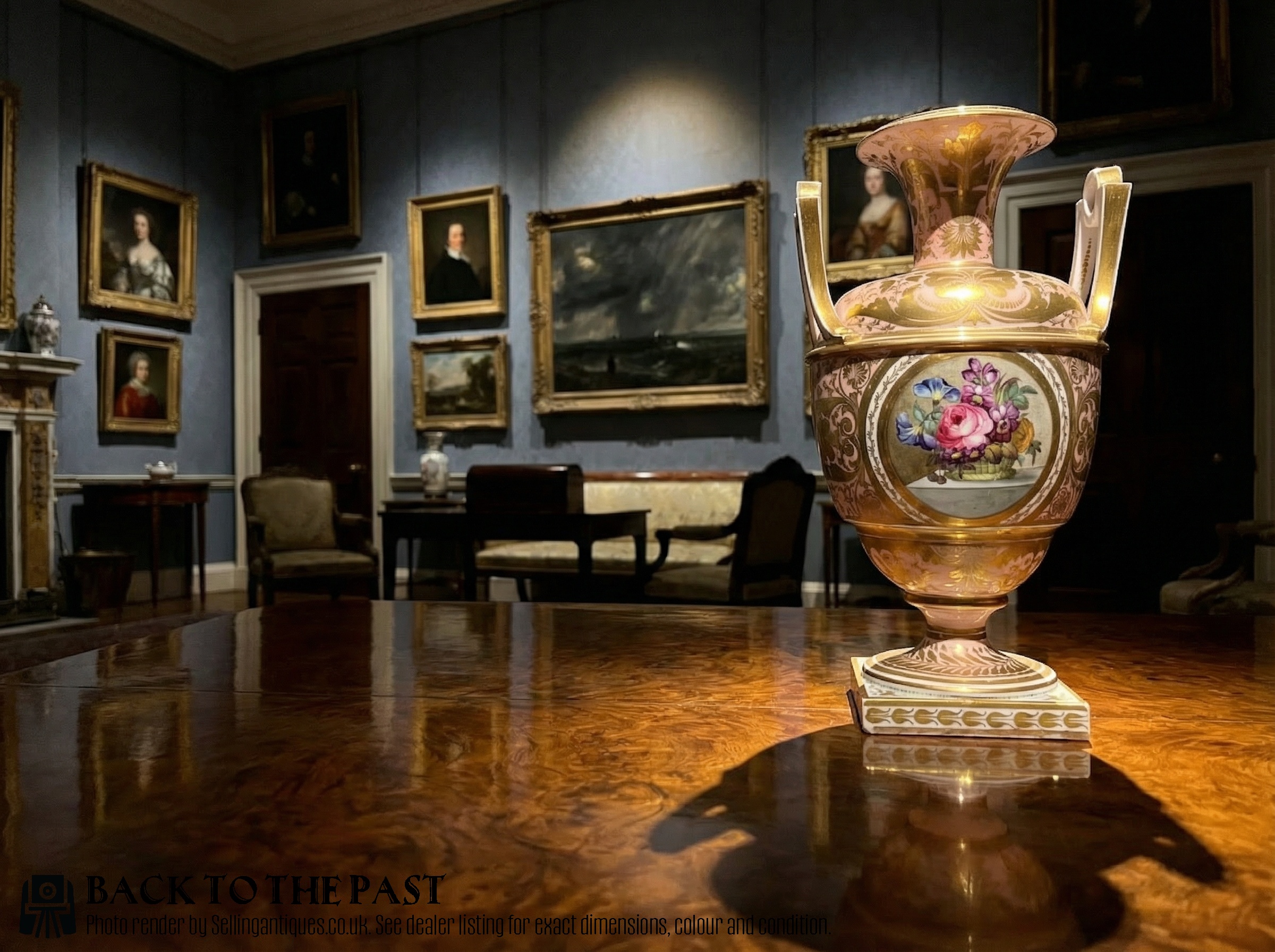
Derby Porcelain Vase
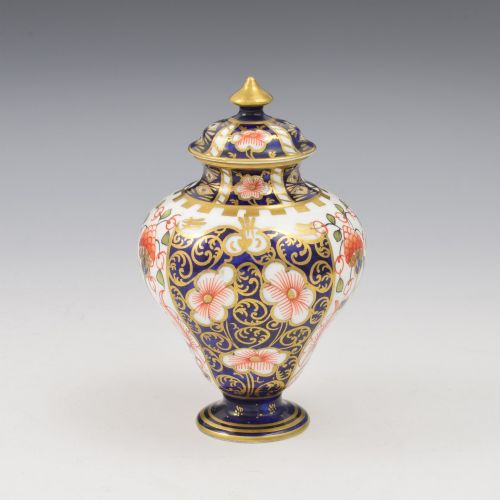
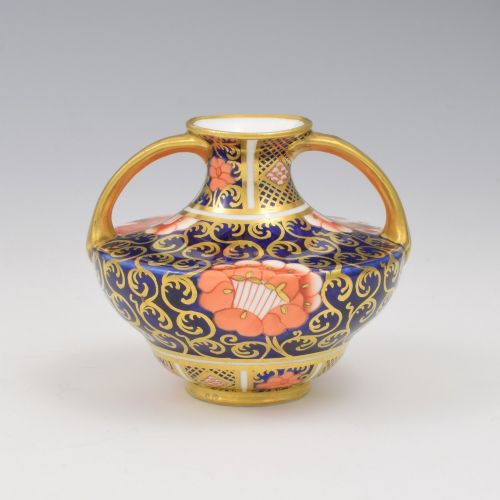
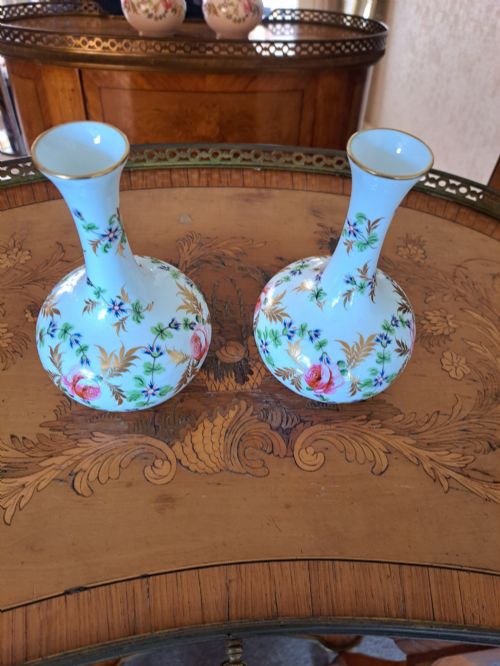
A derby porcelain vase encompasses everything from diminutive miniature vessels and bud holders to imposing twin-handled urns, ewers, and garnitures. Collectors encounter cabinet pieces painted with delicate landscapes or floral studies, alongside robustly decorated patterns created across multiple centuries.
The objects span periods from the eighteenth century through the Victorian and Edwardian eras up to nineteen twenty. Pieces range from early frill vases and spill holders to richly ornamented Crown Derby productions featuring intricate motifs and signed artwork.
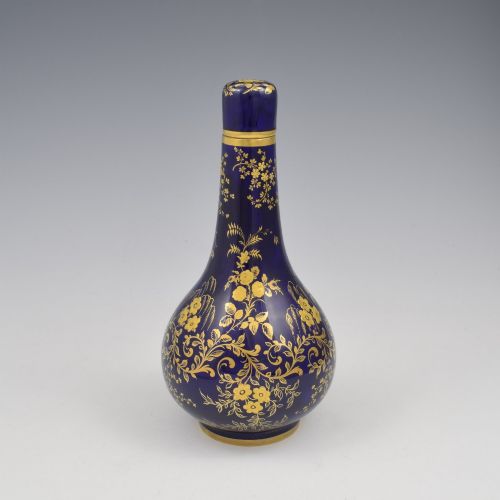
Vessels take many shapes, including bottle vases, potpourri containers with covers, cornucopia designs, and centrepieces. Miniature stem vases appear alongside grand cabinet urns, offering diverse scales for display within a room.
Materials and Techniques
Potters shaped these vessels from fine porcelain and bone china before applying smooth glazes and hand-painted pigments. Artisans utilised enamel colours alongside gold leaf, gilt, and raised gold gilding to highlight intricate decorative schemes.
Decoration relied heavily upon skilled hand-painting, featuring artists who rendered floral sprays, pink grounds, blue grounds, and landscape scenes directly onto the ceramic body. Kiln firing fixed these colours beneath or above the glaze, often complemented by elaborate mouldings and applied encrusted flowers.
The record spans eighteen-century frill vessels and landscape spill vases to Victorian garnitures and twentieth-century artist-signed Crown Derby urns.
Assessing Quality
Quality rests upon the precision of the hand-painting and the ambition of the form, distinguishing standard production wares from pieces executed by named artists. Fineness of detail in floral motifs, landscape vignettes, and gold gilding dictates the standing of an individual vessel.
The complexity of the shape also defines standard, with twin-handled urns, covered vases, and sculptural ewer designs demanding greater skill from the modeller than simple spill vases. Preservation of original gilding and enamel brilliance underpins the visual impact of any piece.
Royal Crown Derby·King Street Derby·Bloor Derby·Ridgways
The Derby Porcelain Vase Glossary
- Imari
- A decorative style employing rich cobalt blue, iron red, and gold gilding, heavily utilised in various Crown Derby patterns.
- Garniture
- A set of matching vases or urns designed to be displayed together on a mantelpiece or sideboard.
- Ewer
- A large jug-shaped vessel with a spouted lip and a handle, often produced as a decorative ornamental piece.
- Spill vase
- A tall, slender cylindrical container traditionally used to hold wooden spills for lighting fires or candles.
- Pot pourri vase
- A vessel featuring a pierced or perforated cover designed to diffuse scent from dried flower petals held inside.
Derby Porcelain Vase: Frequently Asked Questions
How do I identify a derby porcelain vase?
Look for factory marks on the underside, which evolved from early crown and D ciphers to later printed Royal Crown Derby backstamps. Stylistic clues such as Imari palettes, hand-painted floral panels, and rich gilding also point towards these kilns.
Compare the form and weight of the ceramic body against documented examples from the eighteenth, nineteenth, and early twentieth centuries. Specialist reference books assist in matching pattern numbers like six two nine nine or twenty-four forty-four.
How were antique vases used historically?
These vessels served both decorative and functional roles in historic interiors, placed upon mantelpieces, tables, and cabinets as ornamental focal points. Spill vases held thin tapers for lighting candles and hearth fires before matches became common.
Larger urns and garnitures enhanced formal room schemes, while covered potpourri jars freshened the air with dried botanical mixtures. Miniature versions were prized as cabinet collectibles for display in specialised display cases.
Can I put fresh flowers in them?
Placing water and fresh stems inside antique porcelain requires caution, particularly with fragile historical pieces or those featuring delicate overglaze enamels and gilding. Many collectors prefer to display them dry to protect the interior glaze and historic surfaces.
If a piece shows prior use as a spill vase or bud holder, ensure any cleaning is gentle and avoids harsh abrasives. Historic cabinet vases are generally appreciated as sculptural works of art rather than functional flower containers.
How do I care for antique porcelain?
Dust these vessels gently with a soft, dry brush or cloth to remove surface particles without risking the delicate gilt or enamel decoration. Keep them away from direct sunlight and areas prone to sudden temperature fluctuations.
Avoid washing historic pieces in dishwashers or using chemical detergents that can degrade the gold leaf. Secure stable placement on flat surfaces to prevent accidental tipping.