



Regency Porcelain Vase
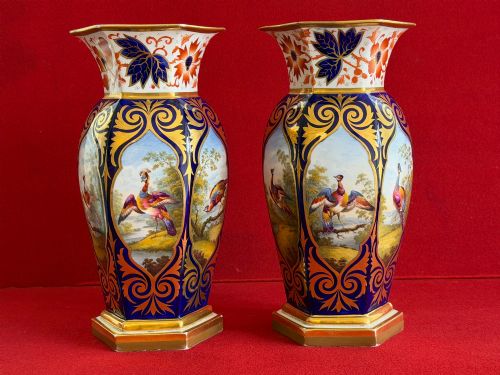
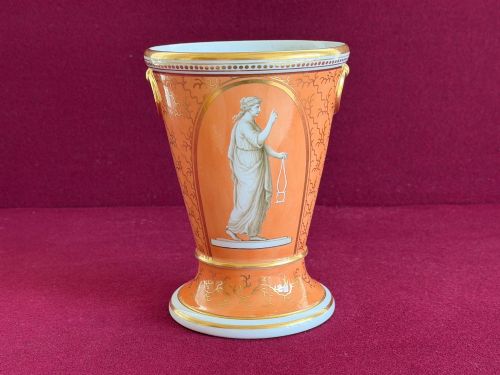
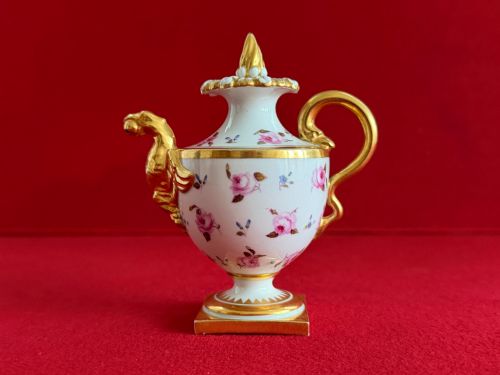
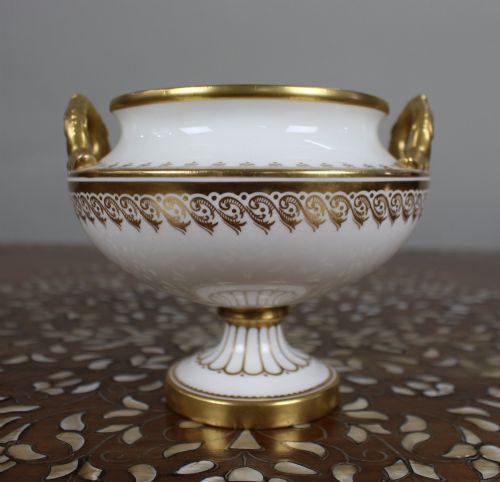
These Regency porcelain vases combine neoclassical form with brilliant hand-painted colour, bringing cabinet elegance and mantel presence to any room.
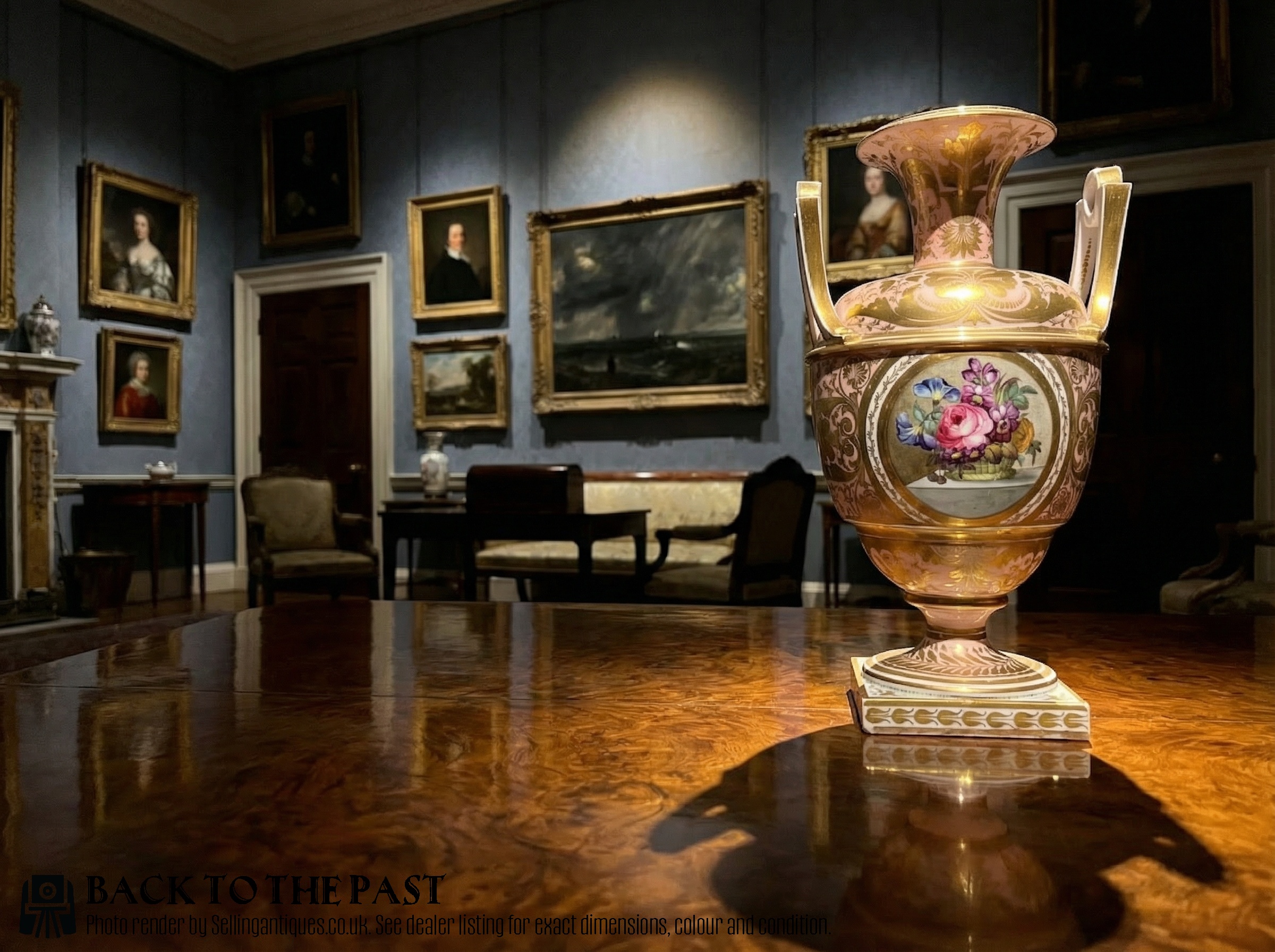
What these pieces are
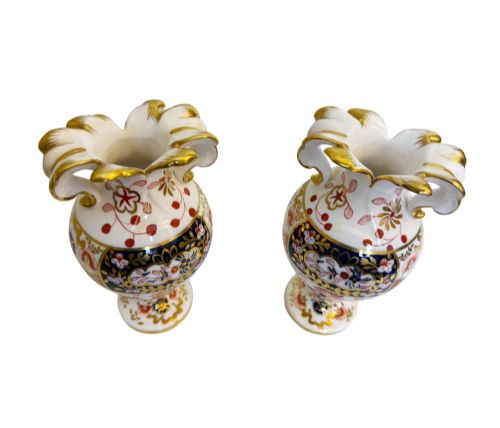
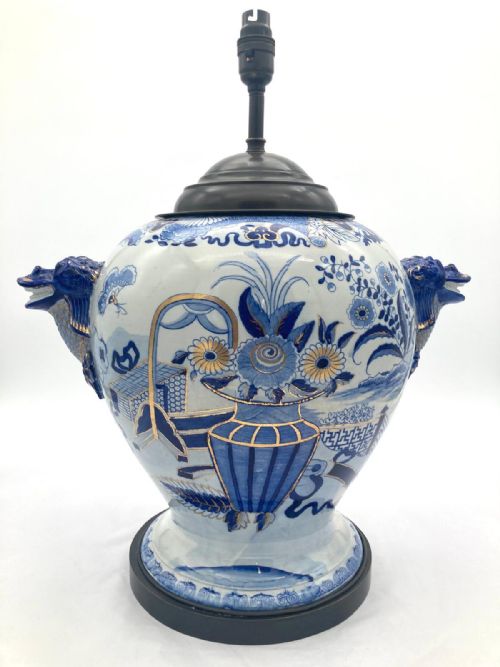
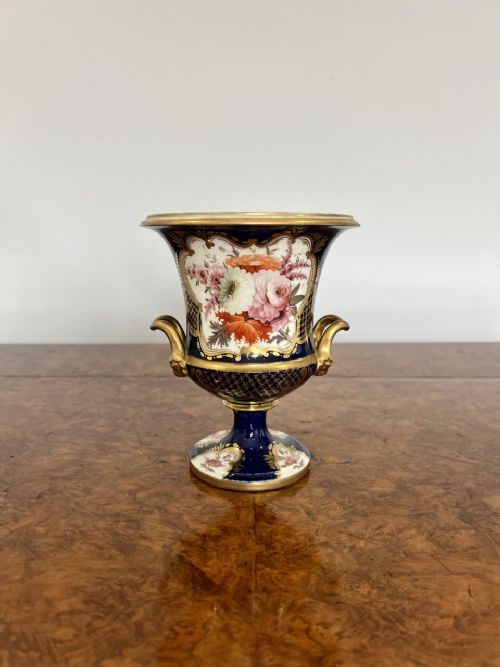
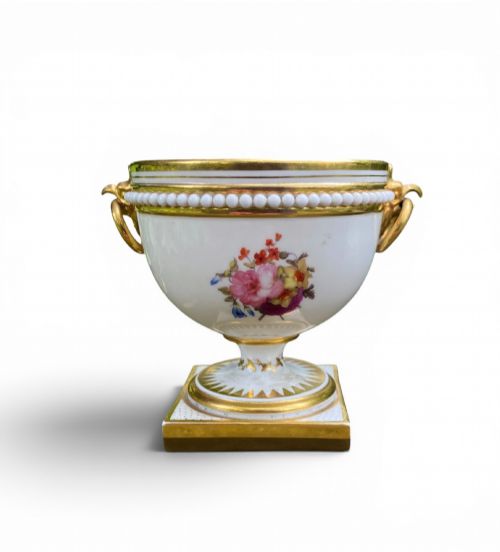
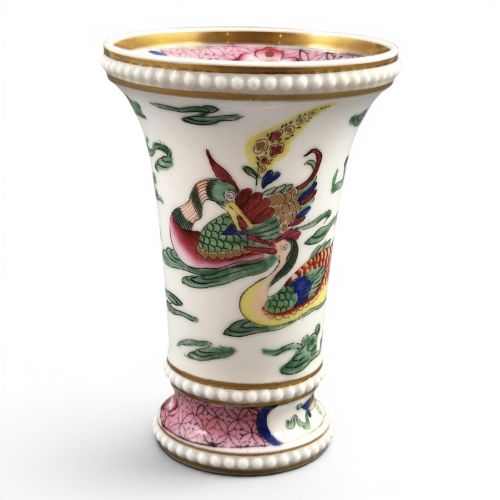
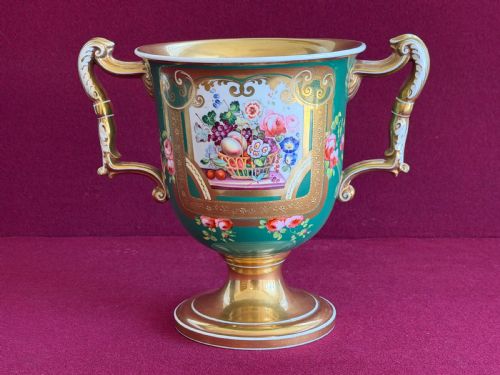
A regency porcelain vase is a decorative vessel produced during the early nineteenth century, spanning the Georgian and Regency periods. The listings present both miniature cabinet pieces and large country house urns designed for prominent display.
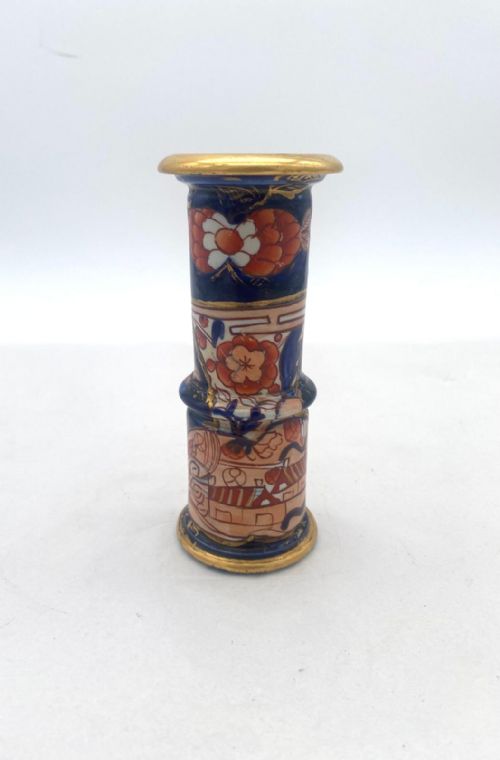
Forms include spill vases, Warwick vases, and monumental hall vases made by leading English potteries. These vessels function as focal points on mantelpieces or side tables, reflecting the refined taste of the era.
How they were made
Potters shaped fine porcelain or ironstone on the wheel or in moulds, applying rich enamel colours and detailed hand-painting. Artisans integrated gold leaf and gilding to highlight handles, rims, and neoclassical motifs.
Specialised decorators executed intricate landscapes, botanical studies, and floral encrustations by hand before firing the pieces in kilns. Transfer printing techniques also appeared on specific spill vases to apply monochrome or sepia designs.
Retail Price Guide 2026
Typical UK retail prices for regency porcelain vase, calculated from the Sellingantiques database of over a million retail prices indexed since 2003. This retail price guide relies exclusively on Sellingantiques data; no external sources or auction records are used, so the figures do not describe the wider market.
Some spill vases carry tiny applied ceramic flowers so densely packed they resemble miniature botanical gardens frozen in clay.
What varies in quality
The distinction between standard production and the finest work lies in the precision of the hand-painting and the depth of the gilding. Master decorators employed by major factories achieved superior botanical accuracy and landscape detail.
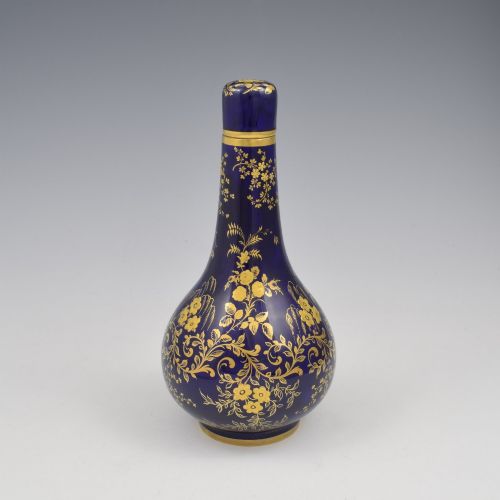
Scale and ambition separate cabinet miniatures from monumental hall vases. The application of enamel grounds, such as mazarine blue or pink, demonstrates the technical skill required to achieve a smooth and even finish across complex curved surfaces.
BFB Worcester·Flight Barr and Barr·Masons Ironstone·Thomas Lowe·Derby·Spode
The Regency Porcelain Vase Glossary
- Spill vase
- A small cylindrical vessel designed to hold taper spills used for lighting fires or candles. These items often feature hand-painted landscapes or encrusted flowers.
- Warwick vase
- A classical vase shape modeled on the ancient marble antiquity, featuring deep bowls and intertwined plant stems for handles. English factories adapted this classical outline for porcelain mantel ornaments.
- Encrusted flowers
- Applied ceramic blossoms and leaves individually modelled and attached to the body of the vase before firing. This technique created a heavily textured, three-dimensional decorative surface.
- Ironstone
- A patented heavy earthenware body developed to resemble porcelain while offering greater durability. It accepted rich enamel colours and thick gilding exceptionally well.
- Bat transfer
- A printing method using a glue bat to transfer delicate stipple engravings onto the porcelain body before enamelling. This produced fine, faint lines ideal for classical scenes.
Frequently Asked Questions
What is a spill vase?
A spill vase is a small cylindrical container made to hold thin tapers of wood or paper used for lighting candles and fires.
Positioned on mantelpieces, these practical items doubled as decorative ornaments painted with botanical subjects or landscapes.
How do I identify a Regency vase?
Regency vases are identified by their classical neoclassical proportions, often echoing ancient Greek and Roman urn shapes.
Look for specific factory marks, finely executed hand-painted panels, and characteristic colour palettes including mazarine blue and pink grounds.
Where were these vases made?
These porcelain vessels were produced by prominent English factories located in major manufacturing hubs such as Worcester, Derby, and Staffordshire.
Renowned potteries employed skilled artists and gilders who previously worked on royal and aristocratic commissions.
How should I clean porcelain vases?
Dust porcelain vases gently using a soft, dry brush to protect fragile elements like gilding and encrusted flowers.
Avoid using water or chemical cleaners, particularly on antique enamel work and gold leaf which can degrade over time.