




Hand Painted Landscape Porcelain
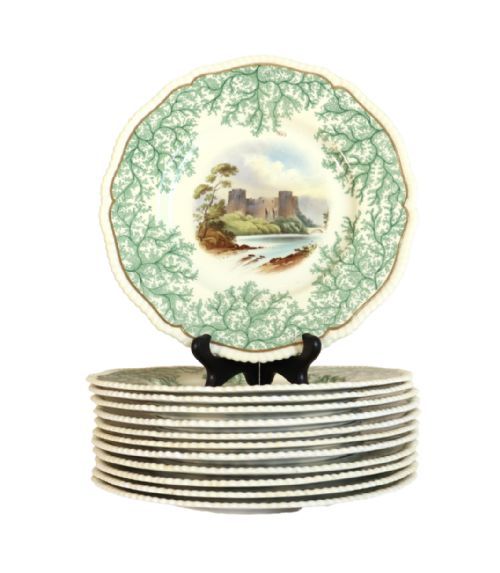
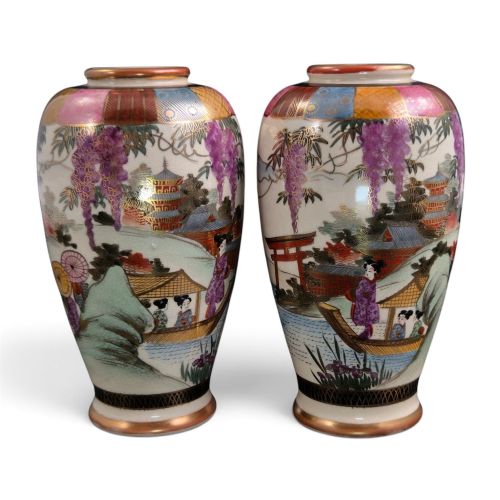
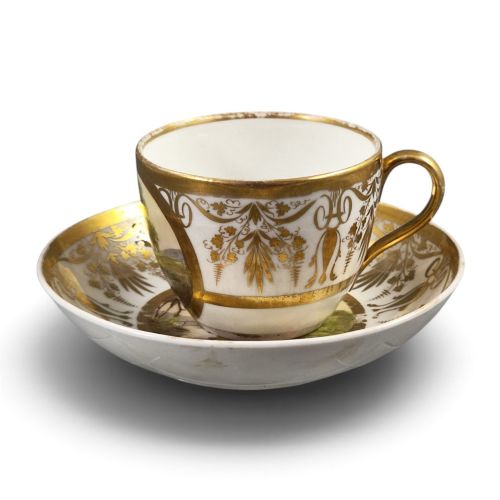
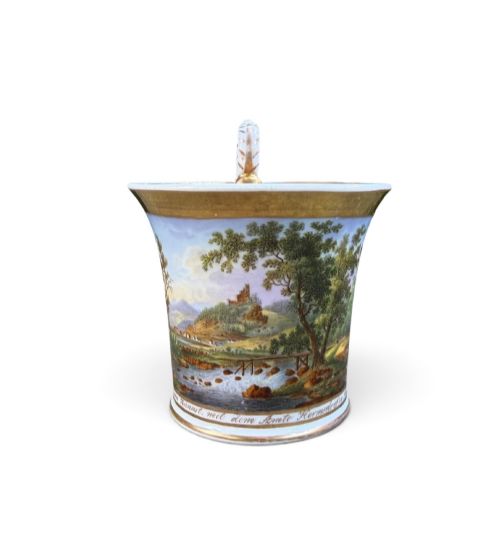
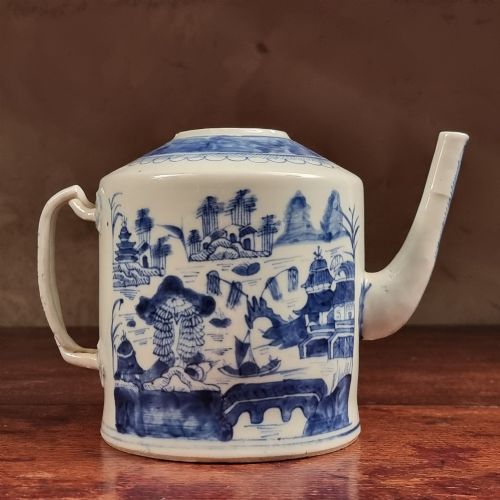
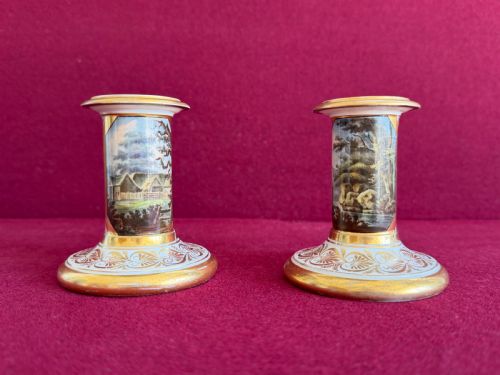
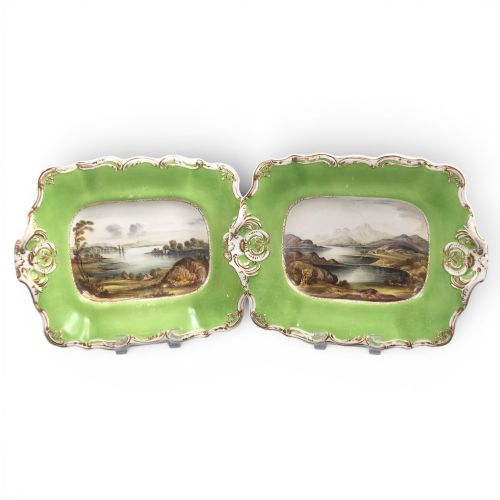
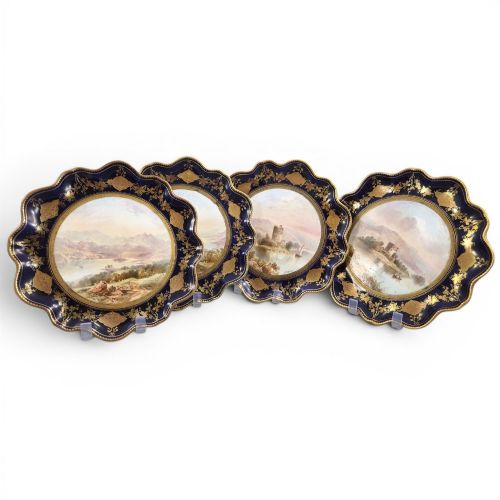
Hand painted landscape porcelain brings pastoral scenes and topographical views to cabinet plates, vases and cups.
Hand Painted Landscape Porcelain
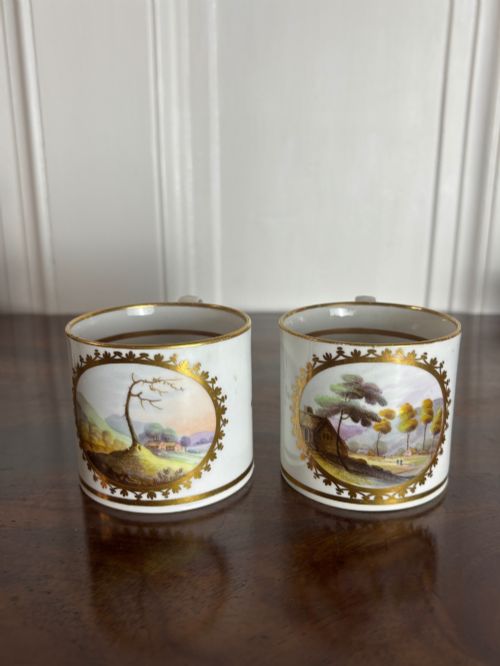
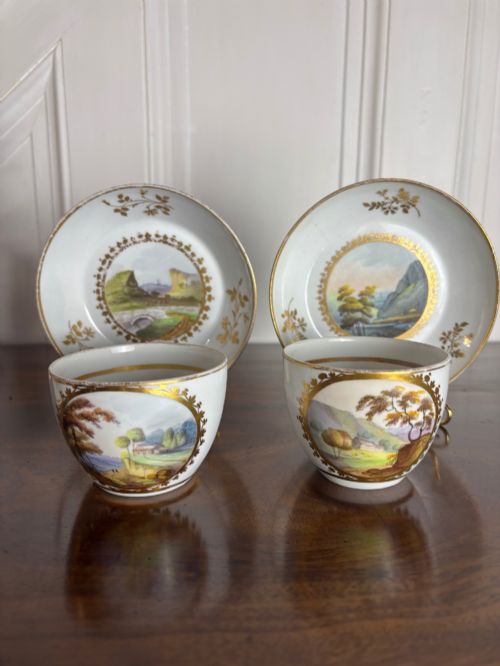
Hand painted landscape porcelain comprises decorative and functional ceramics featuring painted rural vistas, lake scenes and architectural views. When exploring hand painted landscape porcelain, buyers encounter items ranging from Georgian cabinet cups to Victorian dessert plates and Edwardian vases.
The form appears across various functional vessels including teacups, coffee cans, teapots, dishes and large pedestal urns. Pieces frequently originate from British factories such as Worcester, Derby, Minton, Coalport and Royal Worcester, alongside continental makers.
Dating spans from the mid-eighteenth century through the Georgian, Victorian and Edwardian eras up to the early twentieth century. Cabinet plates and topographical cups dominate the selections available on this page.
How they were made
Manufacture relies on hard-paste or soft-paste porcelain bodies, bone china and ironstone, shaped manually or moulded before firing. Artisans applied polychrome enamel pigments by hand to depict detailed scenery, often incorporating titled views of specific locations.
Gilding and gold leaf frequently frame the painted roundels or highlight handles, rims and borders, sometimes supplemented by raised enamel details or jewelled effects. Glaze application seals the decorated surface prior to final kiln firings.
Highland cattle stare mildly from porcelain spill vases, bringing damp Scottish weather directly onto nineteenth-century mantelpieces.
What varies in quality
Quality rests upon the skill of the artist in rendering perspective, fine botanical detail and atmospheric depth within miniature landscapes. Hand-signed work by named porcelain painters commands greater distinction than factory output of standard decorative patterns.
The crispness of the porcelain body, the intricacy of surrounding gilding and the preservation of the enamel pigments determine overall merit. Factories employing prominent landscape artists achieve higher standards of pictorial composition.
Spode·KPM Berlin·Flight & Barr Worcester·Minton·Derby Porcelain·Aynsley·Royal Doulton·Coalport·Meissen·Royal Worcester
The Hand Painted Landscape Porcelain Glossary
- Cabinet plate
- A decorative ceramic plate intended for display in a cabinet rather than dining use. These often feature elaborate hand-painted topographical views and gilded borders.
- Coffee can
- A straight-sided cylindrical porcelain cup lacking a handle, popular during the late eighteenth and early nineteenth centuries. They commonly bear miniature landscape paintings.
- Topographical
- Depicting specific, recognizable geographical locations or buildings rather than imaginary scenery. Many nineteenth-century plates include the title of the view written on the reverse.
- Bone china
- A type of porcelain composed of clay, feldspathic material and animal bone ash, producing a strong, translucent white body. British factories utilised this material extensively for decorated tableware.
- Enamel
- Vitreous coloured pigments fused to the glazed porcelain surface through low-temperature firing. Enamels provide the vibrant palette required for detailed landscape painting.
Hand Painted Landscape Porcelain: Frequently Asked Questions
How do I date early landscape porcelain?
Dating relies upon factory paste characteristics, glaze texture, handwritten pattern numbers and impressed or painted base marks. Stylistic shifts from eighteenth-century rococo forms to nineteenth-century neoclassical or Victorian shapes also help narrow the period.
Examining the style of the landscape painting and the framing gilding provides additional chronological clues. Comparative reference to known factory production years confirms specific spans.
Were these painted landscapes actually real places?
Many landscape pieces depict actual named locations, ranging from Scottish views and Welsh lakes to specific country estates and European vistas. Artists often inscribed the exact location on the base or reverse of the ceramic.
Other items feature generalized pastoral or romantic scenery composed by the artist rather than recording a specific view. Both topographical and idealized landscapes were popular across the Georgian and Victorian eras.
How should I display antique porcelain safely?
Antique porcelain plates require secure wall hangers with protective guards or stable vertical plate stands inside enclosed display cabinets. Keeping pieces away from direct sunlight prevents fading of the delicate enamel pigments.
Vases and urns benefit from placement on steady, level surfaces where accidental knocks remain unlikely. Adequate spacing between items protects fragile handles and protruding gilt decoration.
What is the difference between bone china and porcelain?
Bone china incorporates animal bone ash into the ceramic paste, creating a lighter, highly translucent body with a warm white tone. Traditional porcelain utilises rock and clay ingredients, yielding a harder, vitrified substance.
Both materials served as successful canvases for detailed landscape painting by factory artists. British makers favoured bone china during the nineteenth century for tableware and decorative items.