
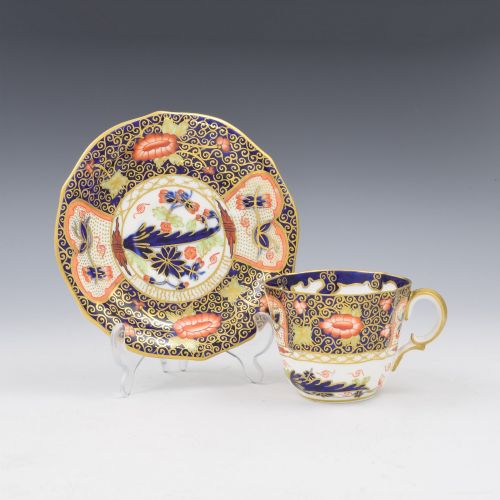
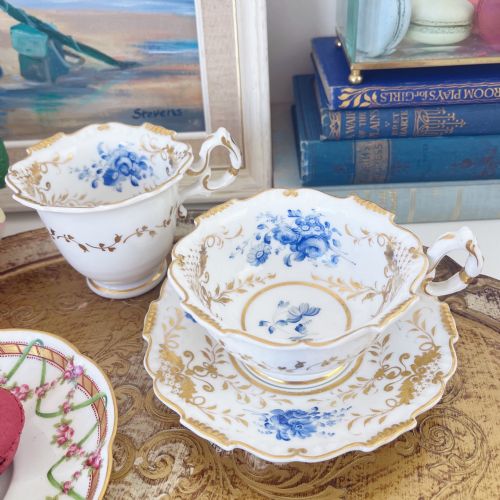
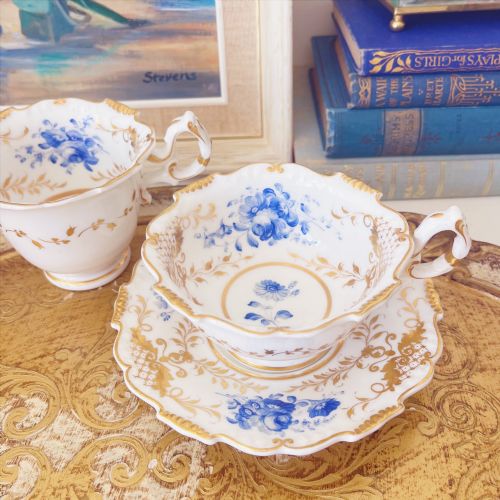
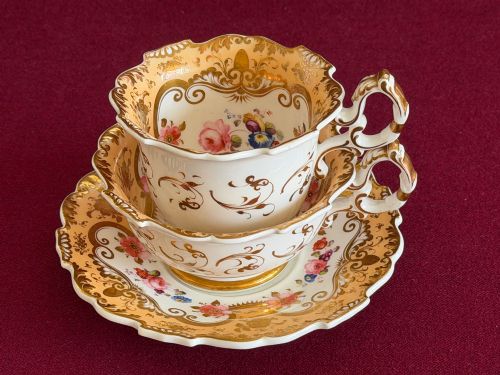
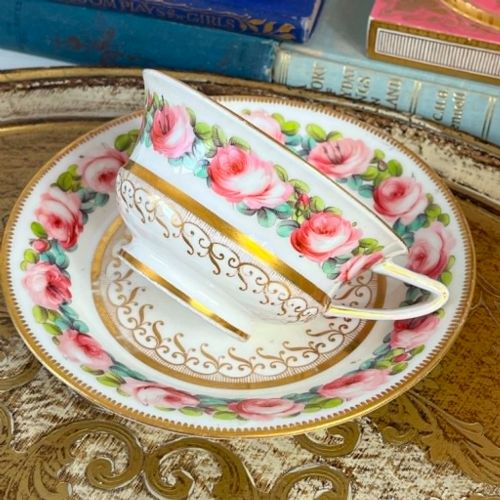
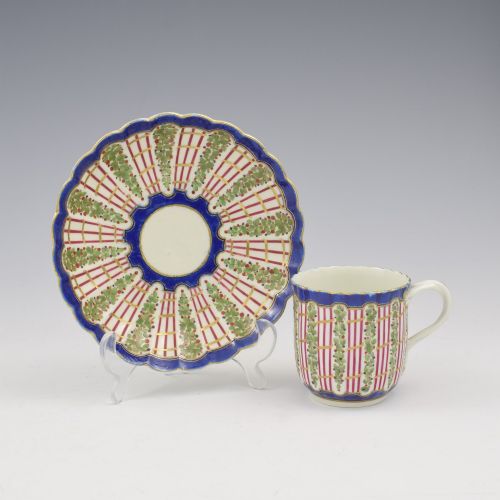
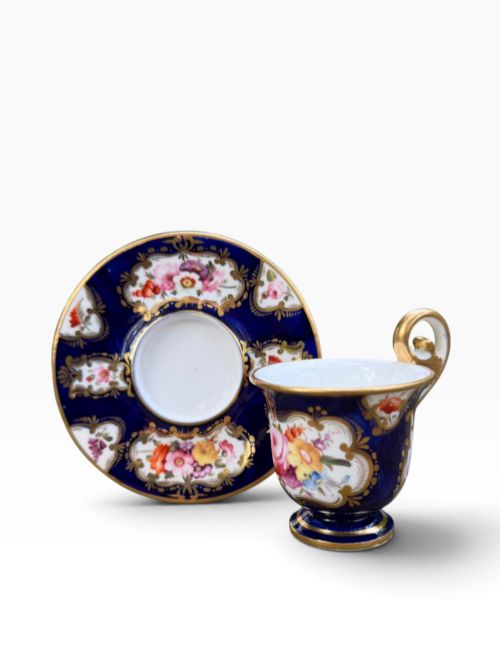
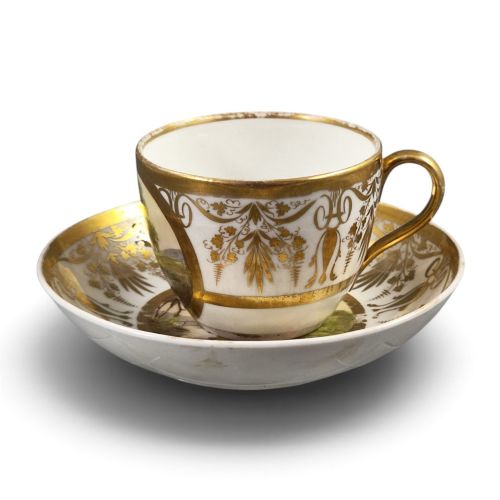
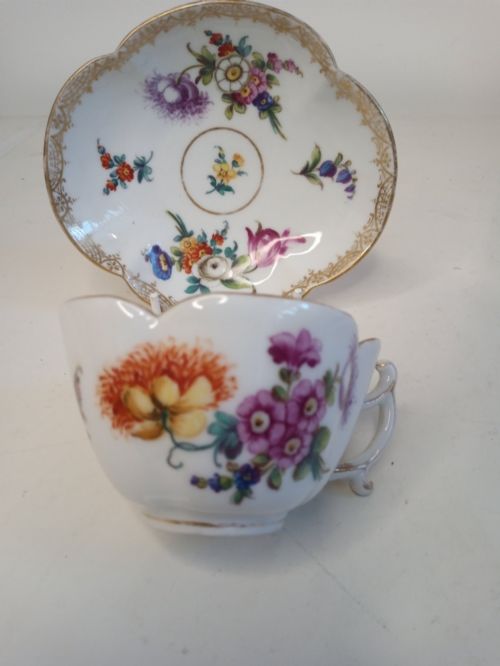
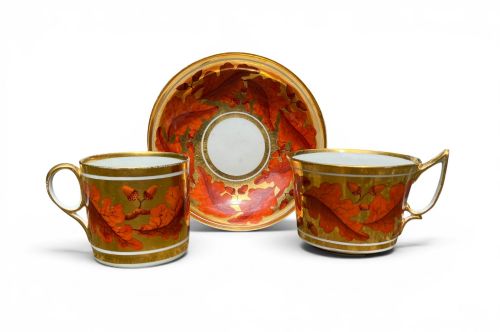
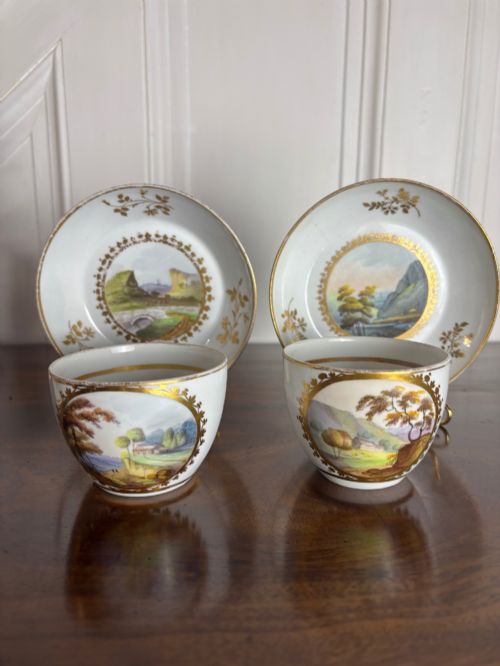
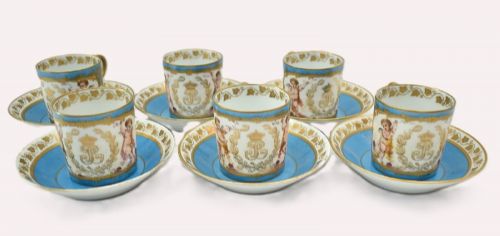
Gilt Porcelain Teacup
A gilt porcelain teacup brings the weight of centuries of ceramic artistry to the table, combining delicate forms with lavish metallic enrichment.
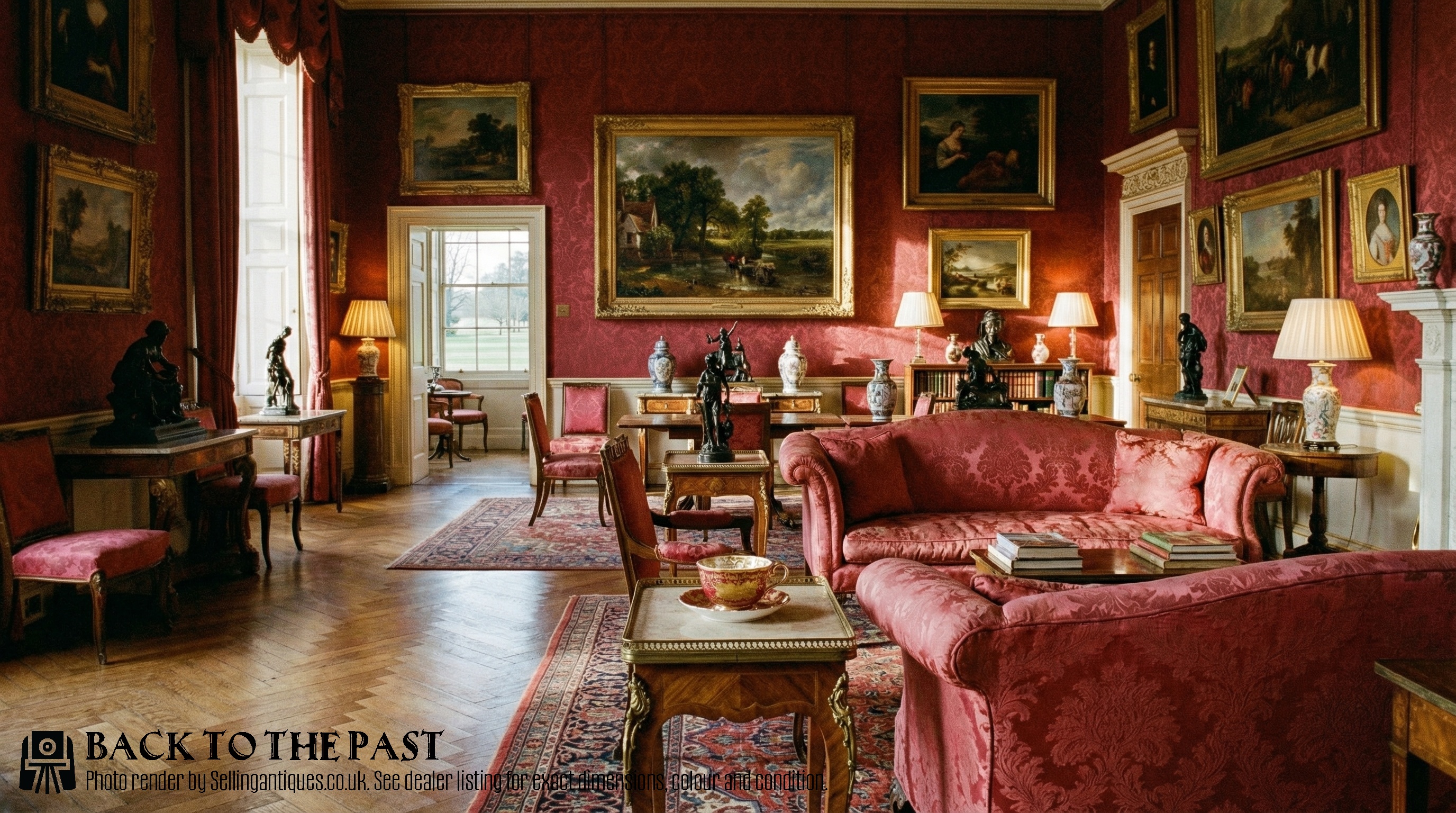
Gilt Porcelain Teacup
When you search for a gilt porcelain teacup, you encounter delicate vessels spanning the eighteenth, nineteenth, and early twentieth centuries, shaped as individual cups, duos, trios, and extensive tea services.
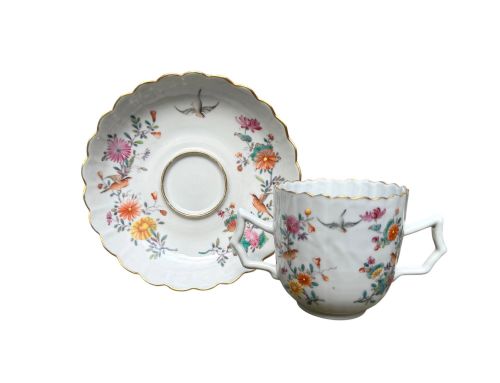
The pieces emerge from major European and Asian traditions, including English factories like Worcester, Coalport, and Derby, alongside continental works from Berlin, Paris, Meissen, and Chinese export kilns.
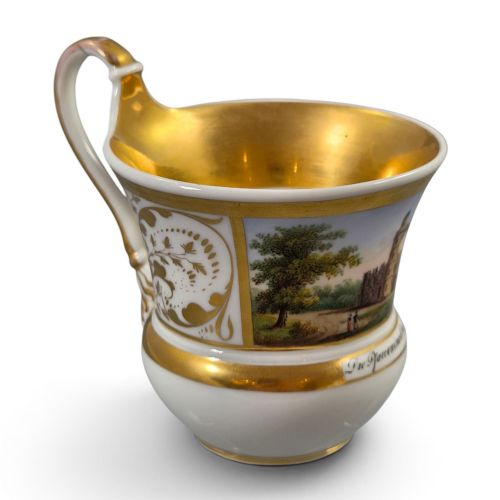
The most frequent examples on this page date from the Georgian and Regency periods through to the Victorian era, presenting hand-painted landscapes, floral motifs, and intricate gilding.

Materials and technique
Potters utilised porcelain, bone china, and hard-paste porcelain as the foundation bodies, shaping them into cabinet cups, teacups, saucers, and covered trembleuse vessels.
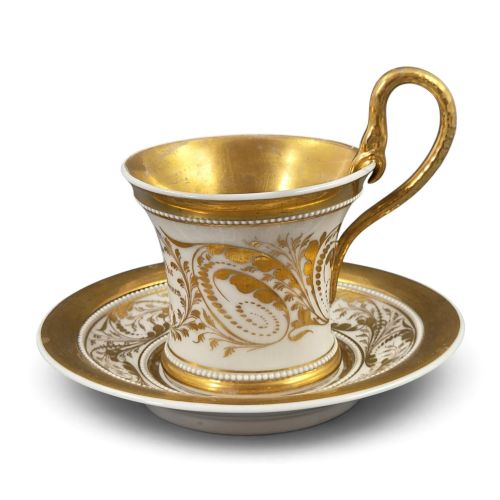
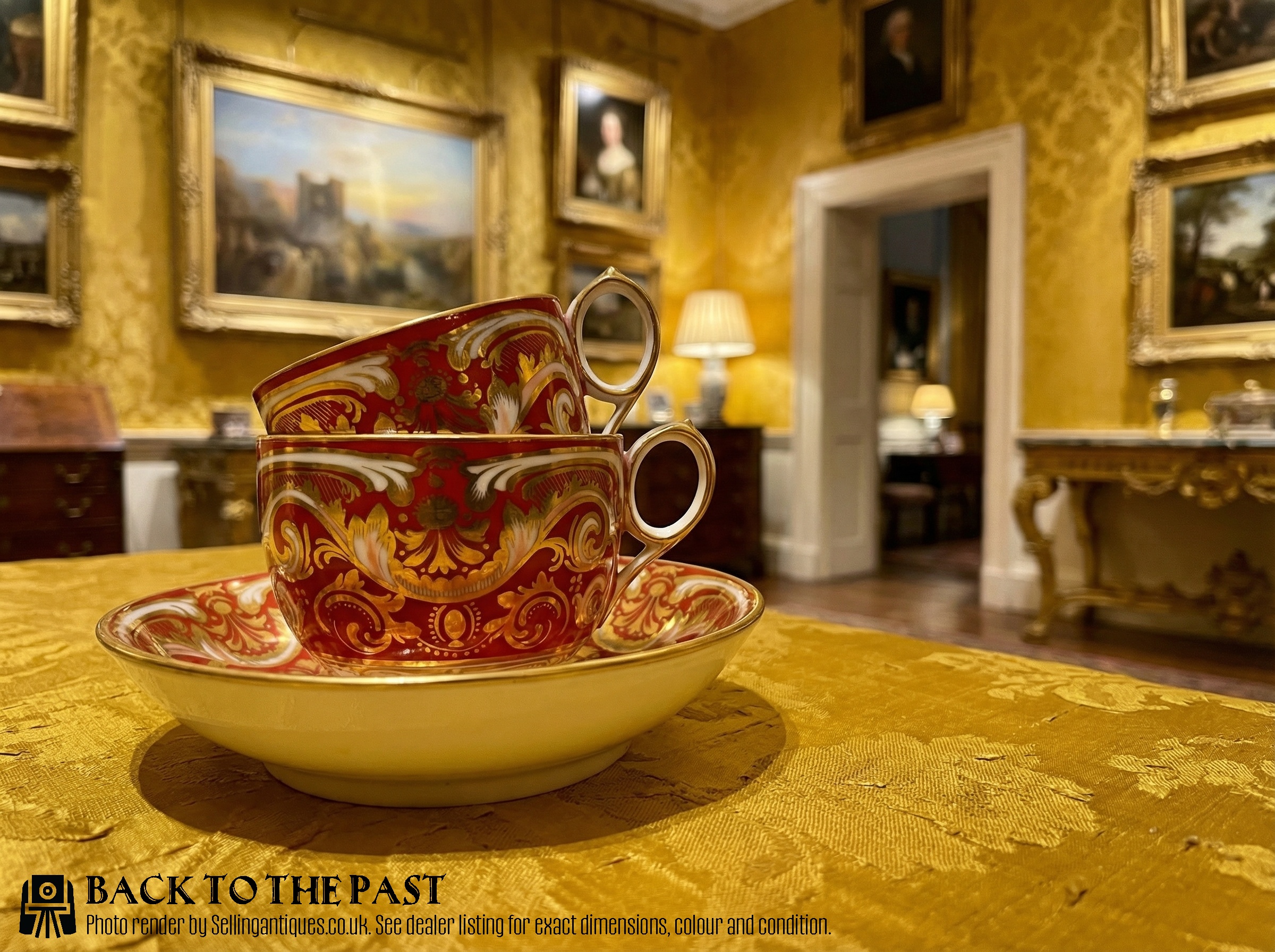
Artisans applied gold leaf, enamel, and heavy gilding by hand, often combining rich metallic borders with intricate hand-painted topographical views, botanical studies, and floral sprays.
Gilt Porcelain Teacup Retail Price Guide 2026
Typical asking prices for gilt porcelain teacup among the pieces listed under this phrase on Sellingantiques today, from the lower quarter to the upper quarter. They describe what is for sale here now, not the wider market.
Listings feature hard-paste porcelain, bone china, and enamel alongside gold leaf, spanning eighteenth-century Chinese export wares to twentieth-century sets.
Judging quality
Quality rests upon the precision of the hand-painting and the purity of the porcelain body, distinguishing factory work executed by skilled artists from standard production.
The application of the gold leaf and gilding dictates the visual weight and longevity of the piece, with burnished, thick metallic work holding more presence than thin, flat washes.
Royal Crown Derby·H & R Daniel·Coalport·KPM Berlin·Worcester·Davenport·Meissen·Sevres·Royal Worcester·Minton·Royal Albert·Gardner Moscow Factory·Yates·Taniguchi
The Gilt Porcelain Teacup Glossary
- Duo
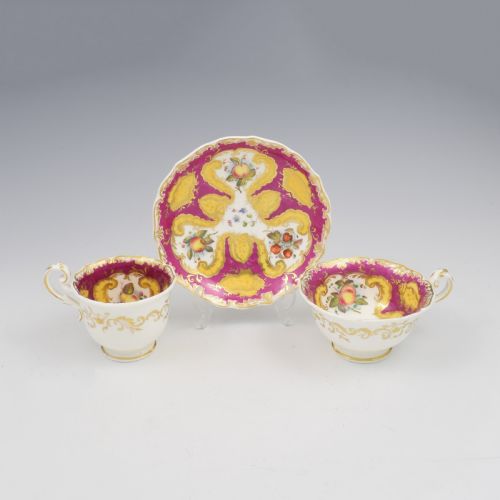
- A matched set consisting of a teacup and a saucer. These pairs form the foundation of most antique tea wares.
- Trio
- A matched set comprising a teacup, a coffee cup, and a saucer. This combination was popular during the Georgian and Regency periods.
- Cabinet cup
- An ornamental cup intended for display within a cabinet rather than for daily tea consumption. These pieces often feature elaborate topographical paintings or gilt presentations.
- Hard-paste porcelain
- A dense, vitrified ceramic material fired at high temperatures. It resists scratching and provides a durable surface for enamel and gold decoration.
- Trembleuse
- A specialised cup and saucer featuring an elevated ring in the centre of the saucer to hold the cup steady. This design prevented spills among nobility in the eighteenth century.
Gilt Porcelain Teacup: Frequently Asked Questions
What is a gilt porcelain teacup?
A gilt porcelain teacup is a ceramic vessel decorated with gold leaf or metallic paint, produced across various European and Asian dynasties from the eighteenth century onwards.
These items range from functional dining wares to decorative cabinet pieces intended for display rather than drinking.
How do I date an antique teacup?
Dating relies on factory marks, paste composition, ceramic body thickness, and the style of the hand-painted decoration. Examining the shape of the handle and the type of gilding also helps narrow the period.
Reference guides specific to English and continental potteries provide definitive timelines for factory marks found on the base.
Can I use these cups for tea?
While many antique cups remain physically sound, the presence of delicate hand-painting and gold leaf requires careful handling. Most collectors prefer to display or occasionally hand-wash these pieces rather than use them daily.
Thermal shock from boiling water can also stress fragile eighteenth-century porcelain bodies.
What is the difference between a duo and a trio?
A duo consists solely of a teacup and its matching saucer. A trio includes an additional coffee cup alongside the teacup and saucer.
Trios gained popularity in the Regency period when morning and afternoon tea and coffee services shared matching decorative patterns.