
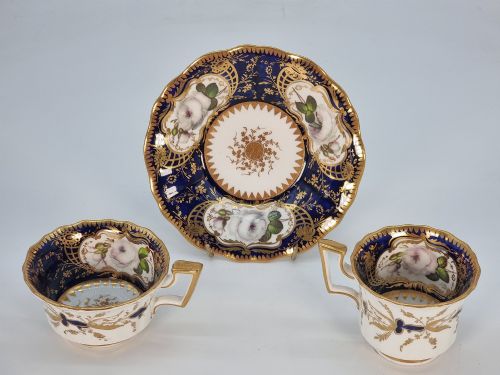
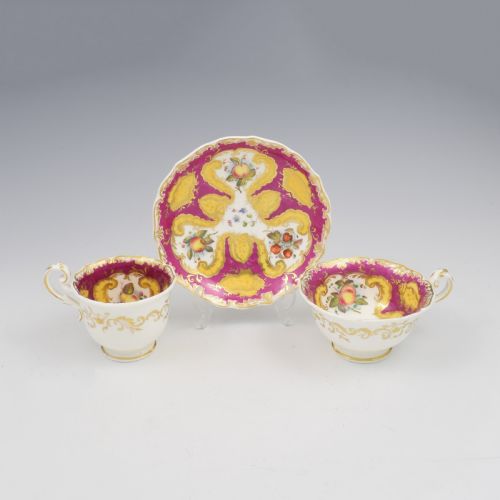


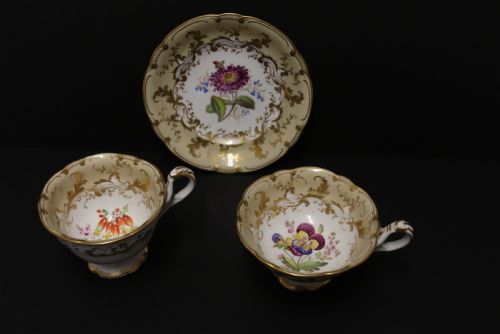
19th Century Porcelain Trio
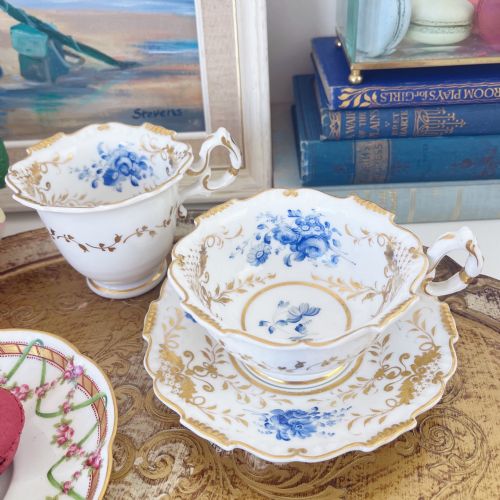
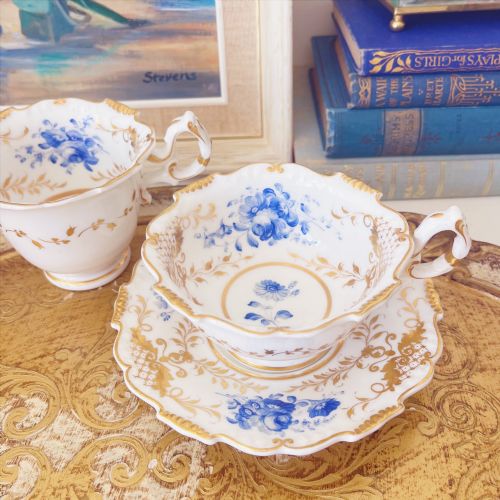
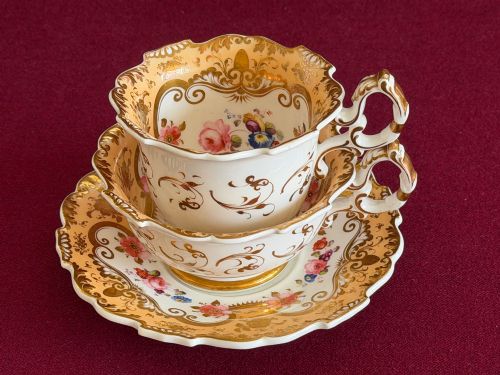
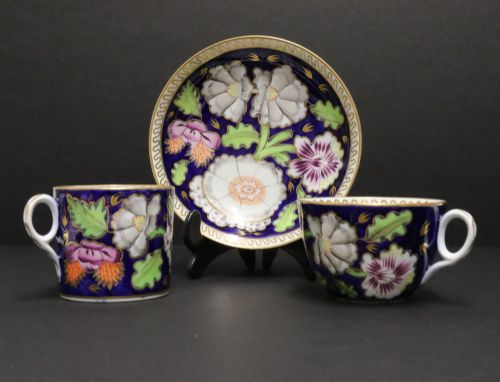
A 19th century porcelain trio brings the formal ritual of Regency and Victorian tea drinking directly to your table with matching cups and saucer.
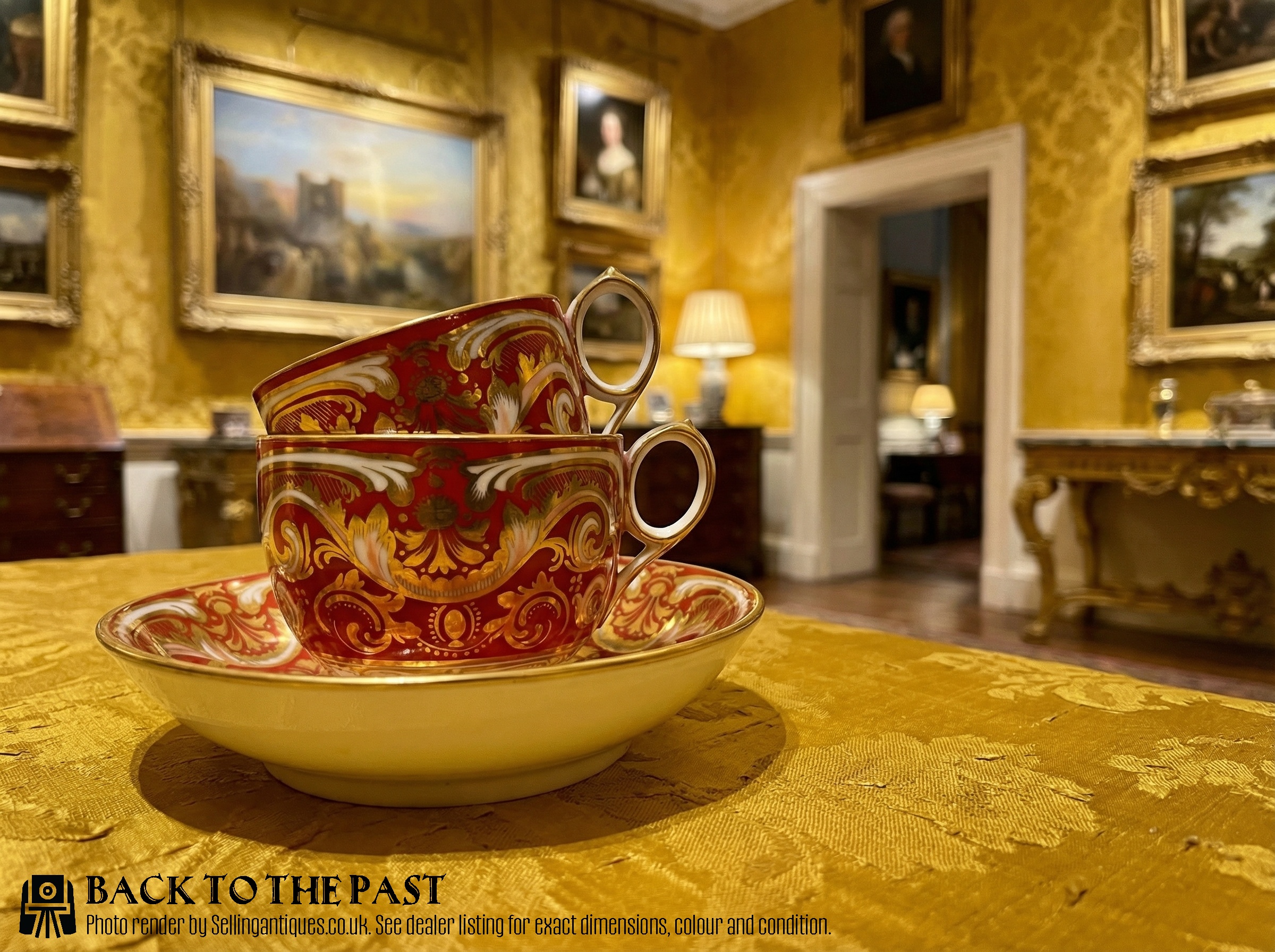
19th Century Porcelain Trio
The pieces appearing on this page span the 19th century, featuring distinct forms from the Regency period through to later Victorian manufacturing. Collectors encounter cabinet trios and teaware sets originating from esteemed English factories established during this period.
How they were made
Potters utilised fine porcelain and bone china as the primary body materials, shaping them into delicate tea and coffee cup trios. These pieces received careful forming by hand or early moulding techniques before receiving their initial firing.
Artisans applied handpainted enamel glazes alongside intricate gold leaf, gold gilding, and gilt accents to enrich the surface decoration. Subsequent kiln firings permanently fused these vibrant enamels and metallic highlights to the ceramic body.
Listings feature porcelain, bone china, and gold leaf across Regency and Victorian styles.
What varies in quality
The finesse of the handpainted decoration largely distinguishes standard production from superior pieces, with skilled brushwork lifting specific patterns like fruit motifs or botanical studies. Superior examples display precise enamel application and deeply saturated colours that remain crisp across all three matching components.
The refinement of the porcelain paste and the intricacy of the gilding further separate the ranges, particularly in cabinet trios intended for display rather than daily service. Heavier, simpler utilitarian wares contrast with translucent, finely potted bodies embellished with rich burnished gold leaf.
H and R Daniel·Newhall·Coalport John Rose·Derby·Davenport·Minton·Spode
The 19th Century Porcelain Trio Glossary
- Trio
- A matching set comprising a teacup, a coffee cup, and a saucer. This combination allowed the drinker to partake in both fashionable hot beverages during the same sitting.
- Bone China
- A type of soft-paste porcelain incorporating bone ash, developed in England to create a durable yet translucent body. It forms the base for many fine British tea services.
- Gilding
- The application of gold leaf or powdered gold onto the ceramic surface for decorative enrichment. Higher quality pieces often feature burnished gold highlights.
- Enamel
- A glass-like substance fused to the ceramic body through firing to provide colourful surface decoration. Skilled artists painted these enamels by hand onto early 19th century wares.
19th Century Porcelain Trio: Frequently Asked Questions
What is included in a true trio?
A true 19th century trio contains a teacup, a coffee cup, and a matching saucer. In the Regency and Victorian periods, households used different cup shapes for tea and coffee.
Today, finding all three matching pieces together offers collectors a complete snapshot of historical dining habits.
How do I identify a Regency period set?
Regency sets typically date from roughly eighteen hundred to eighteen thirty and feature distinct neoclassical or botanical handpainted motifs. They often utilise bone china or porcelain with refined handle shapes and delicate gilt borders.
Examining the foot rim and paste translucency helps confirm this specific early nineteenth century manufacturing window.
Can I use these antiques for daily tea?
While these pieces were originally created for functional use, age and delicate handpainted enamels mean modern owners usually reserve them for gentle display or very occasional use. Hand washing in lukewarm water without harsh detergents preserves the fragile gold leaf and enamel glaze.
Avoiding dishwashers and microwaves protects the historic ceramic body from thermal shock and chemical wear.
How do I distinguish Coalport from Spode pieces?
Distinguishing between historic factories involves studying the specific potting style, paste weight, and characteristic pattern numbering systems. Makers like Coalport and Spode often employed distinct handle forms and floral or scenic painting styles unique to their workshops.
Consulting historical pattern books or factory marks helps attribute unmarked cabinet trios to their specific origin.