
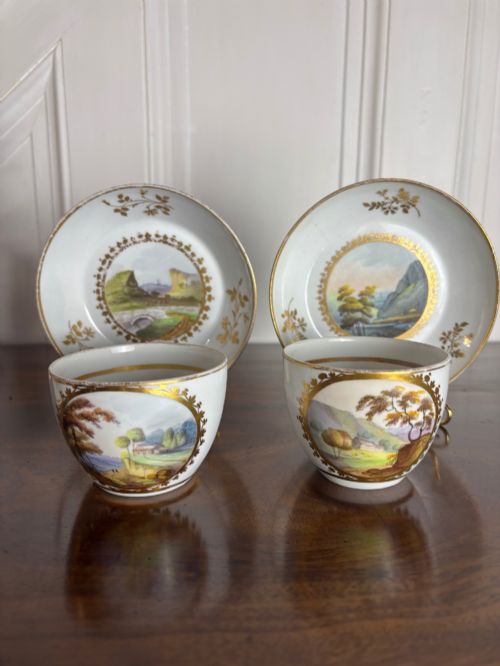


Georgian Teacup Saucer
A georgian teacup saucer brings delicate Regency porcelain to the table, offering collectors refined forms and handpainted floral decoration.
What They Are
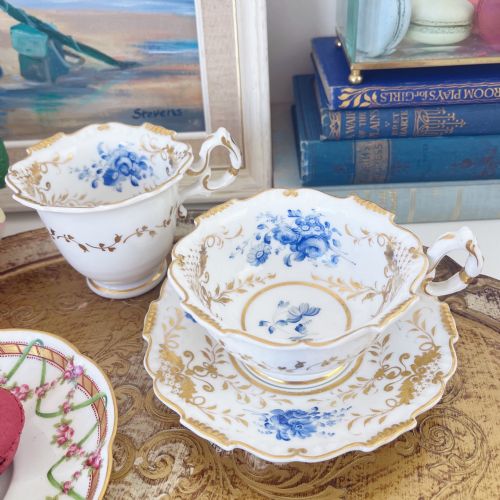
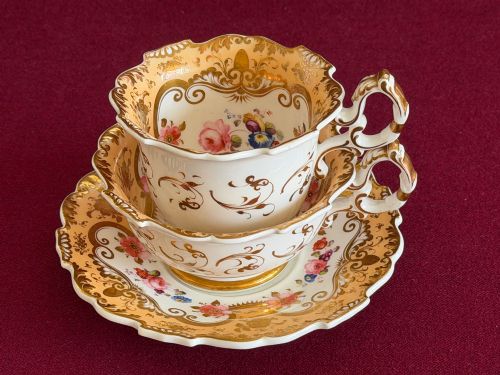
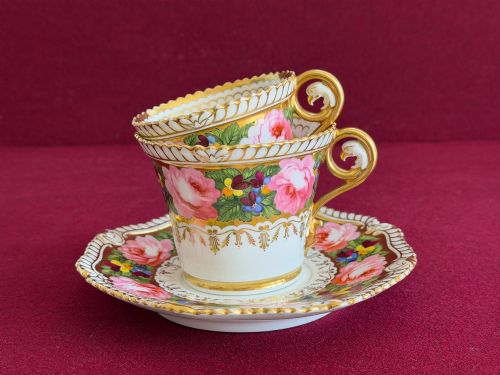
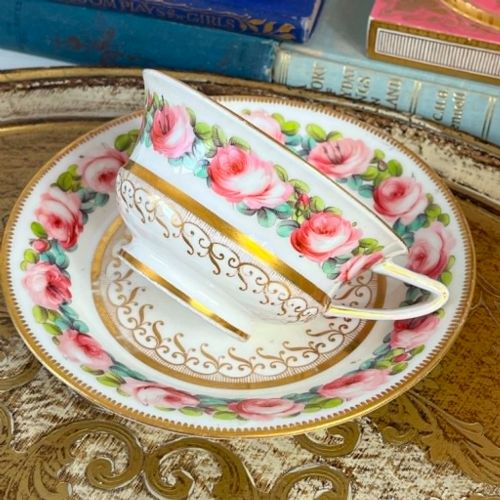
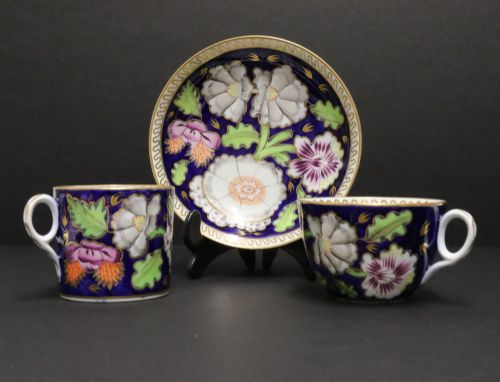
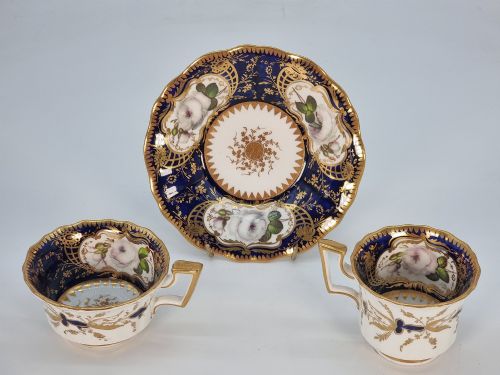
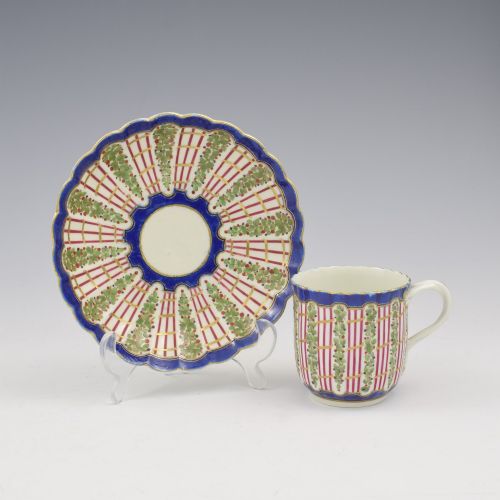
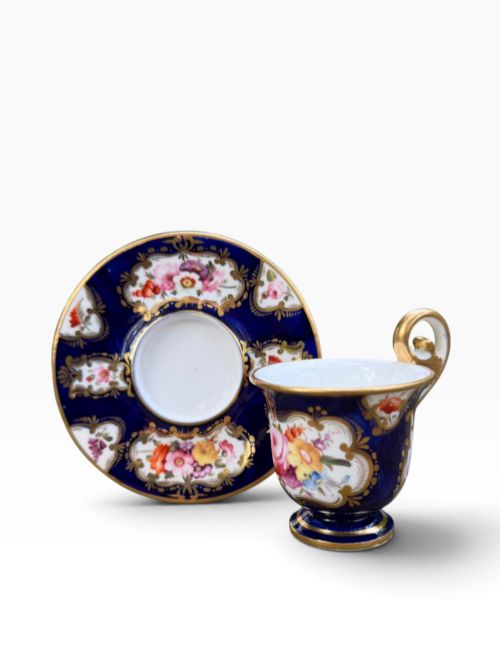
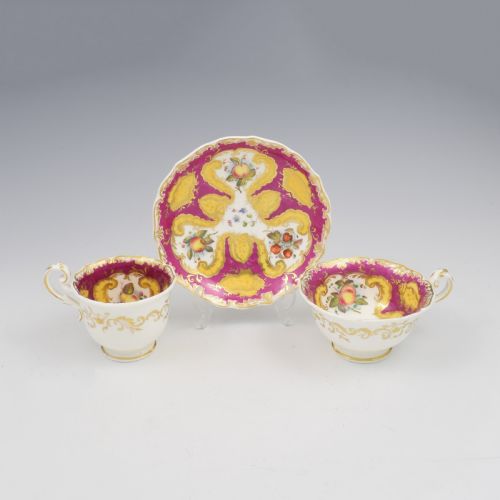
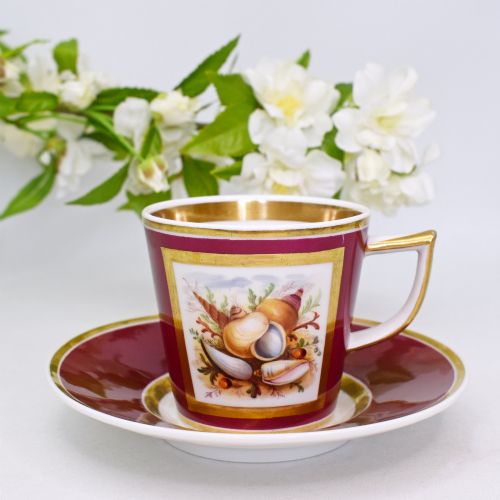
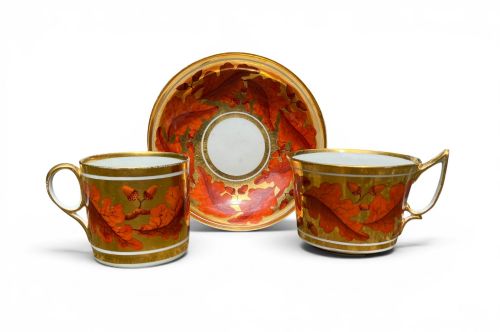
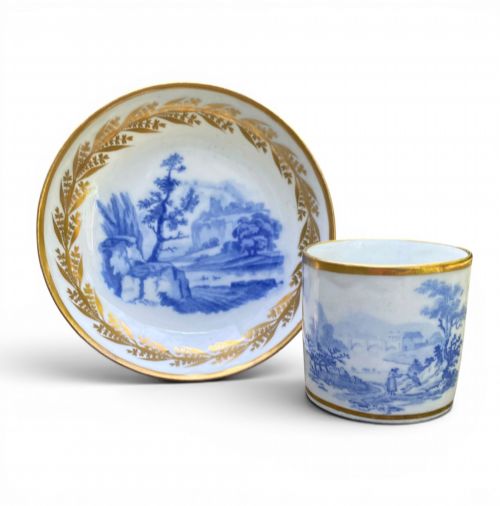
When you search for a georgian teacup saucer, you encounter fine ceramic wares produced during the Regency period and the wider nineteenth century. These items include delicate London shape vessels and Shrewsbury shape trios designed for elite social dining.
The pieces listed on this page represent the height of British ceramic artistry from this era. Surviving examples showcase careful handpainted details and specialised moulding techniques that define the category.
How They Were Made
Potters utilised fine porcelain as the primary material for these items, applying intricate Nantgarw type moulding to shape the body. Skilled artisans then embellished the surfaces using vibrant enamel colours and gleaming gold leaf.
The decoration relied entirely on steady hands and precise brushwork. Painters applied botanical and floral motifs directly onto the glazed porcelain before a final firing set the pigments.
Materials documented across the available inventory include porcelain, gold leaf, and enamel.
What Varies in Quality
The standard of painting determines the upper tier of these ceramics. Fine brushwork and rich enamel depth separate exceptional artistic output from simpler commercial production.
The crispness of the moulding and the preservation of the gold leaf dictate overall desirability. Well-defined shapes and intact gilding reflect superior original manufacture.
A H & R Daniel·Spode
The Georgian Teacup Saucer Glossary
- Regency
- A stylistic period spanning the early nineteenth century characterised by classical elegance and refined decorative arts. It heavily influences the forms found in these ceramics.
- Porcelain
- A white, vitrified ceramic material fired at high temperatures to achieve translucency and strength. It serves as the essential canvas for Georgian tea wares.
- Gold Leaf
- Hammered metal foil applied to ceramics for rich surface gilding. It highlights rims and handles with bright metallic lustre.
- Enamel
- Opaque glass-based colour fused to porcelain during firing. It provides the vivid hues seen in handpainted floral motifs.
- Trio
- A matched set consisting of a teacup, coffee cup, and saucer. These groupings are typical of elite dining arrangements from the era.
Frequently Asked Questions
How should I display my teacup and saucer?
Display these delicate porcelain items in a secure cabinet away from direct sunlight. This protects the handpainted enamels and gold leaf from fading.
Handling them requires care due to the thin walls of the porcelain body.
Were these pieces used for daily tea drinking?
Wealthy households utilised these fine porcelain sets during formal afternoon tea service. They were status symbols rather than utilitarian kitchenware.
The presence of gold leaf and delicate enamel indicates they were reserved for special guests.
How do I identify Regency pieces?
Regency ceramics often feature distinctive forms such as the London shape or specific moulding styles. The decorative motifs typically align with early nineteenth-century aesthetics.
Maker details and pattern numbers painted on the base also assist with identification.