

Gilded Porcelain Saucer
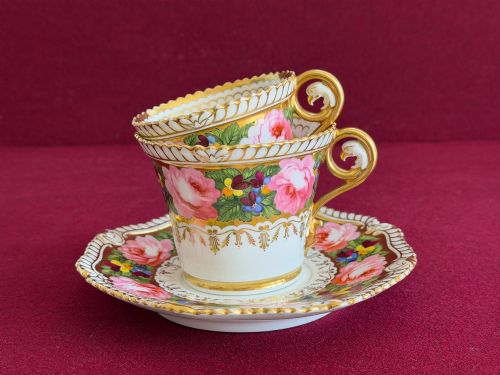
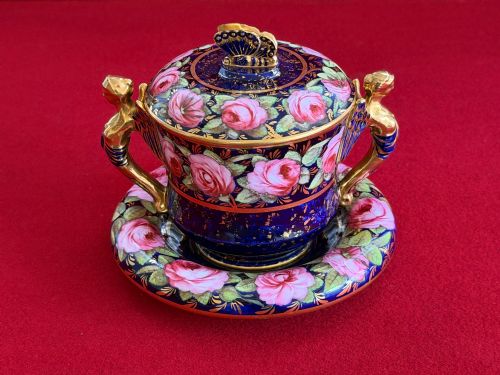
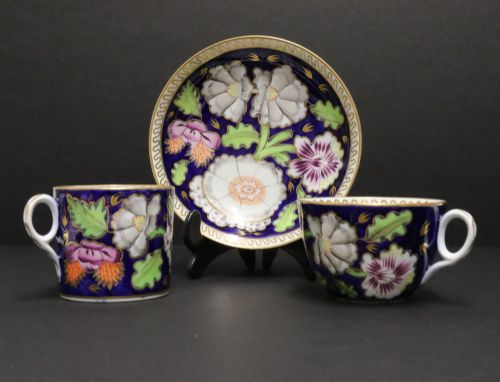
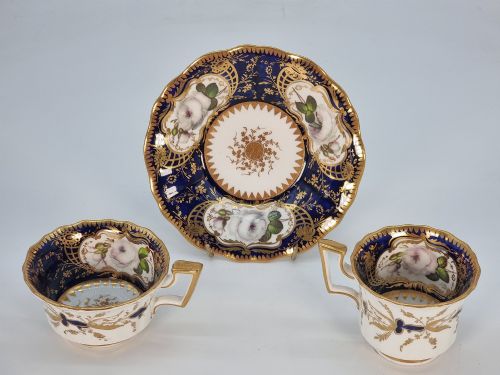
A gilded porcelain saucer brings together the lustre of gold leaf and the delicate traditions of European and Asian ceramics.
Gilded Porcelain Saucer
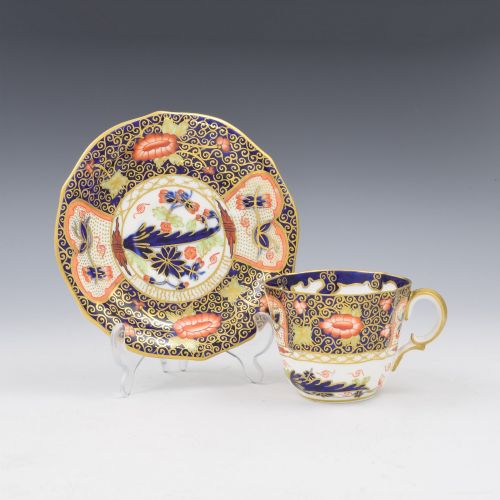
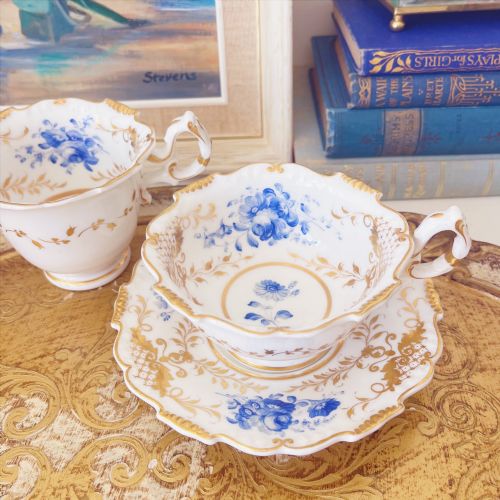
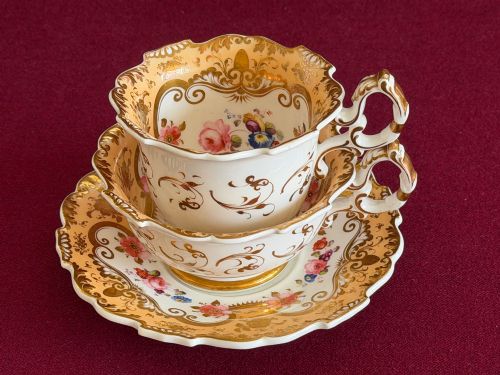
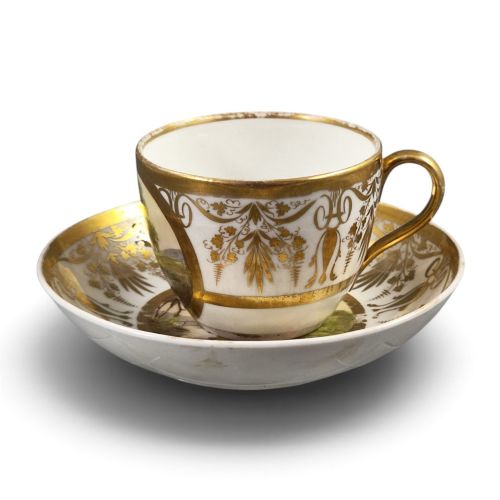
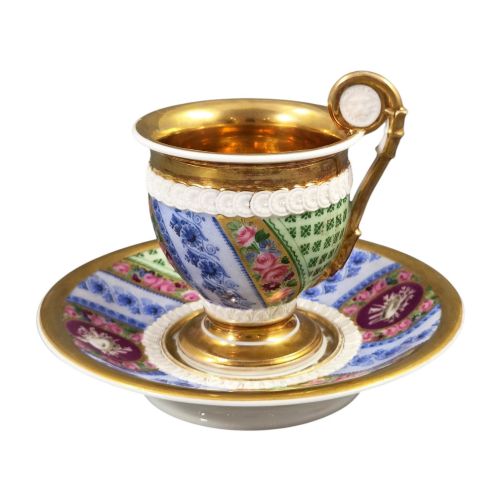
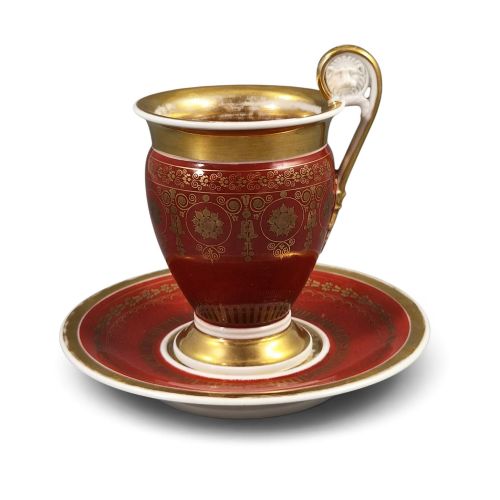
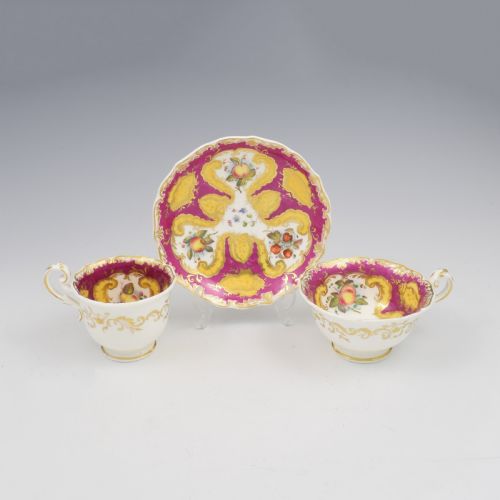
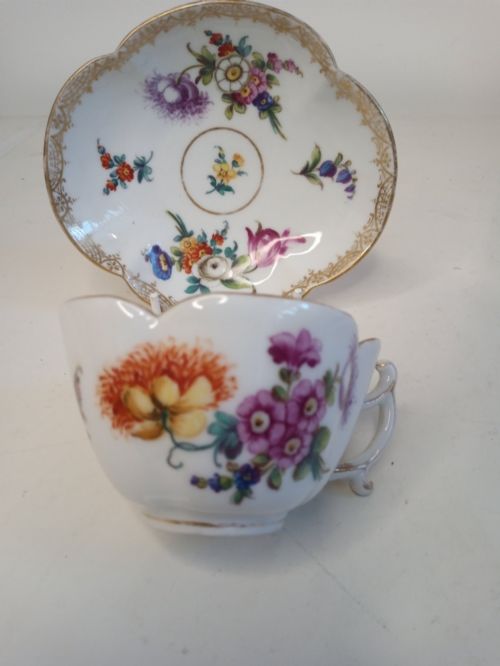
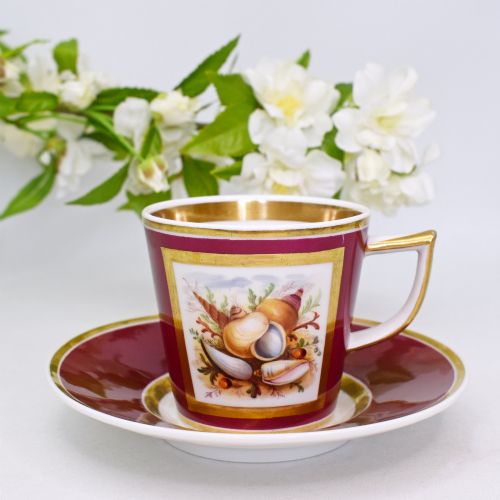
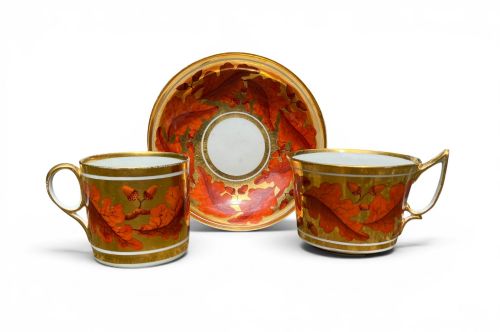
A gilded porcelain saucer is a small ceramic dish designed to hold a teacup or coffee cup, finished with metallic gold enrichment. The examples found here span periods from the eighteenth century through the Edwardian era, taking forms such as individual saucers, trios, and complete tea services.
Most items on this page originate from English factories like Worcester, Coalport, and New Hall, alongside continental European makers including Sevres and Old Paris. These pieces reflect styles ranging from Georgian and Regency classicism to Rococo Revival and Japanese Imari influences.
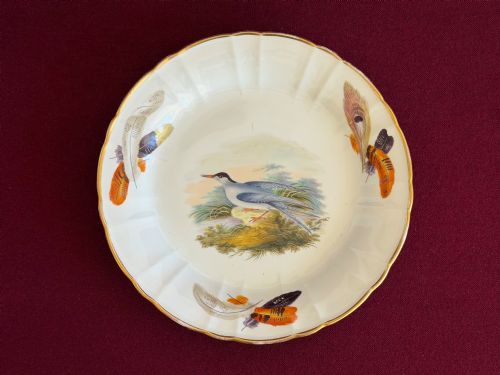
Buyers seeking a gilded porcelain saucer will encounter items shaped for morning tea, cabinet display, or afternoon service. The physical forms vary from deep fluted tea bowls to shallow dishes intended for cabinet display.
What varies in quality
The standard of a gilded porcelain saucer depends on the precision of the hand-painting and the thickness of the gold application. Superior examples display crisp, finely drawn motifs and burnished gold that catches the light differently than flat, painted-on bronze or modern metallic substitutes.
The refinement of the porcelain paste itself dictates the piece's character, separating heavier utilitarian wares from translucent, thinly potted cabinet items. Artisans who executed complex ground colours, such as turquoise or green, alongside intricate gilt work achieved a higher level of decorative success.
Listings feature porcelain from the eighteenth century to the Edwardian period, utilising gold leaf, enamel, and bone china across various forms.
Royal Crown Derby·H & R Daniel·Wedgwood·Chamberlain Worcester·Spode·Coalport·KPM Berlin·Flight & Barr·Rockingham·New Hall·Minton·Grainger s Worcester·Sevres·Barr Flight and Barr·Royal Worcester·Hicks Meigh & Johnson·Kusnetzoff
The Gilded Porcelain Saucer Glossary
- Gilding
- The application of gold leaf or powdered gold to the surface of porcelain. It provides the metallic borders and highlights characteristic of these wares.
- Soft-Paste Porcelain
- An early ceramic composition of glass and white clay fired at lower temperatures. It produces a warm, slightly creamy body visible in eighteenth-century pieces.
- Bone China
- A porcelain mixture incorporating animal bone ash, developed in England. This material allows for thin, durable vessels with a bright white ground.
- Coffee Can
- A straight-sided cylindrical cup designed for drinking strong coffee. These containers often match a dedicated saucer.
- Enamel
- Vitreous coloured glass fused to the porcelain surface during firing. It supplies the vibrant reds, blues, and greens seen beneath or beside the gold.
Gilded Porcelain Saucer: Frequently Asked Questions
How do I care for gilded porcelain?
Wash these pieces gently by hand using lukewarm water and a mild soap. Avoid soaking them or placing them in modern dishwashers, as harsh detergents and abrasive sponges will wear away the delicate gold leaf over time.
Store the items safely with felt separators between stacked saucers to prevent scratching the glazed surfaces and the metallic rims. Gentle handling preserves the original painted details and the structural integrity of the ceramic body.
Can I use antique saucers daily?
While these ceramics were originally created for functional use, older soft-paste items and fragile gilded surfaces benefit from careful treatment. Many collectors reserve them for occasional use or display to protect the historical hand-painting.
If you do use them for dining or tea, avoid sudden temperature changes that can crack the old glaze. Hand washing immediately after use prevents staining on porous or aged paste bodies.
How do I identify the period of a piece?
Examine the base for factory marks, pattern numbers, or painted symbols that correspond to known historical registers. The style of the decoration, such as Regency neoclassical motifs or Victorian floral arrangements, offers further clues to the decade of manufacture.
The weight and translucency of the porcelain also indicate the era, with eighteenth-century soft-paste pieces differing visibly from nineteenth-century bone china or hard-paste continental wares.
What is the difference between a tea bowl and a teacup?
Early eighteenth-century tea bowls were manufactured without handles, requiring the drinker to hold the vessel by the rim and base. By the nineteenth century, most cups incorporated handles for easier lifting during social gatherings.
Both forms were paired with matching saucers, though tea bowls are typically associated with earlier, more delicate porcelain tea services.