
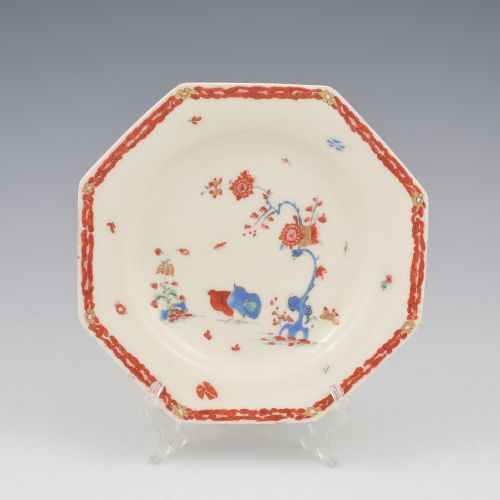
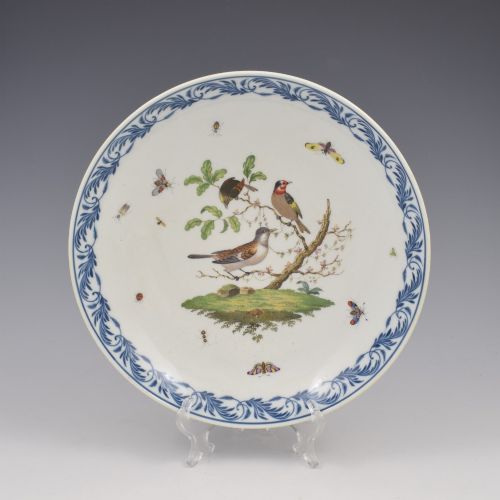
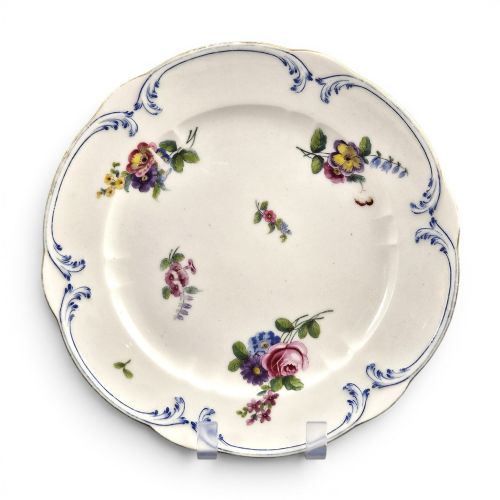
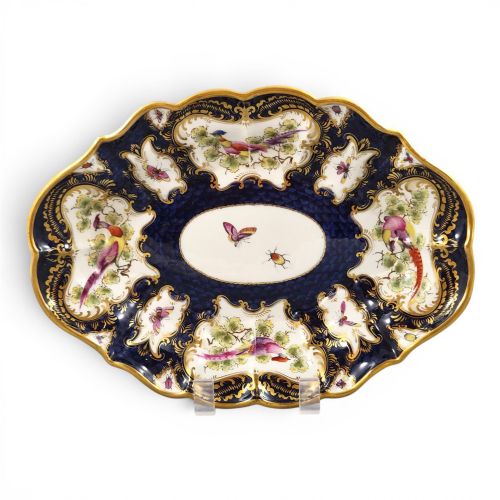


Blue and White Cabinet Plate
A blue and white cabinet plate brings patterned ceramic colour and decorative display to a wall or dresser, drawing the eye with contrasting cobalt decoration.
Blue and White Cabinet Plate
A blue and white cabinet plate is a ceramic vessel intended primarily for display rather than routine dining, often featuring transferred or hand-painted cobalt designs. These pieces span centuries of production, appearing in styles from Georgian transferware to Victorian chinoiserie and Japanese Imari influences.
The versions encountered on this page encompass various periods including the eighteenth century, the Victorian era, and the Edwardian period. Forms range from dessert dishes and soup plates to octagonal tea plates and formal tableware sets.
Makers and origins reflected in the listings stretch across English factories, continental European porcelain works, and Asian traditions. Buyers frequently select them to add traditional pattern and historic character to a room.
Materials and construction
These plates utilise hard-paste and soft-paste porcelain, along with stoneware and refined ceramic bodies, shaped into plates, dishes, and soup bowls. Artisans applied cobalt blue underglaze decoration before firing, sometimes supplementing the design with overglaze enamel colours and gilding.
Manufacturing methods involve throwing, moulding, or pressing the clay body followed by high-temperature firing to vitrify the material. Many examples feature hand-painted details or precise transfer printing to transfer intricate topographical and figurative scenes onto the ceramic surface.
Periods represented on the page span the eighteenth century, the Victorian era, the Edwardian period, and the early twentieth century.
Assessing quality and execution
Quality in these plates rests upon the crispness of the cobalt transfer or the precision of the hand-painted brushwork, alongside the purity and smoothness of the porcelain body. Superior pieces display finely potted edges, balanced proportions, and well-preserved gilding or overglaze enamel.
The distinction between standard utility wares and finer cabinet specimens often lies in the sophistication of the pattern execution and the reputation of the manufactory. Collectors look for depth in the blue glaze tones and careful registration of printed or painted motifs.
Bow Porcelain·Meissen Porcelain·Royal Worcester·John Ridgway·Grainger and Co·Crescent China·Coalport
The Blue and White Cabinet Plate Glossary
- Soft-paste porcelain
- A ceramic composition fired at lower temperatures than hard-paste, featuring a slightly warmer, softer glaze appearance.
- Underglaze
- Pigment applied to the ceramic body before the transparent glaze layer is fired, protecting the colour from wear.
- Transferware
- Pottery decorated by applying a printed paper design from an engraved copper plate onto the ceramic surface.
- Imari
- A decorative style originating in Japan characterised by distinctive blue, iron-red, and gilded palettes.
- Enamel
- Opaque or translucent vitreous composition fused to the surface of porcelain during secondary low-temperature firings.
Blue and White Cabinet Plate: Frequently Asked Questions
What is a blue and white cabinet plate?
A blue and white cabinet plate is a decorative ceramic dish featuring cobalt blue designs, intended for display on walls, cabinets, or dressers rather than daily table service.
These pieces showcase various historical styles and techniques, ranging from English transfer-printed views to hand-painted oriental patterns.
How do I date a blue and white plate?
Dating involves examining the ceramic body, the style of the cobalt decoration, and any backstamps or factory marks pressed or printed on the reverse.
Differences in glaze texture and potting weight also help distinguish eighteenth-century soft-paste porcelain from later nineteenth-century hard-paste bodies.
Were these plates used for dining?
While many started as functional tableware such as dessert dishes, soup plates, or tea plates, cabinet plates were frequently selected for their decorative merit.
Over time, finer examples transitioned into display items prized for their artistic patterns and historical associations.
How should I display a cabinet plate?
Cabinet plates are commonly exhibited using dedicated wall hangers, plate rails, or display stands that secure the rim safely.
Placing them away from direct sunlight helps preserve any delicate overglaze enamels and gilding present on the surface.