
Antique Compote Dish
An antique compote dish elevates a table or sideboard, bringing pedestal forms and elevated fruit bowls into domestic interiors from the Georgian, Victorian, and Edwardian eras.
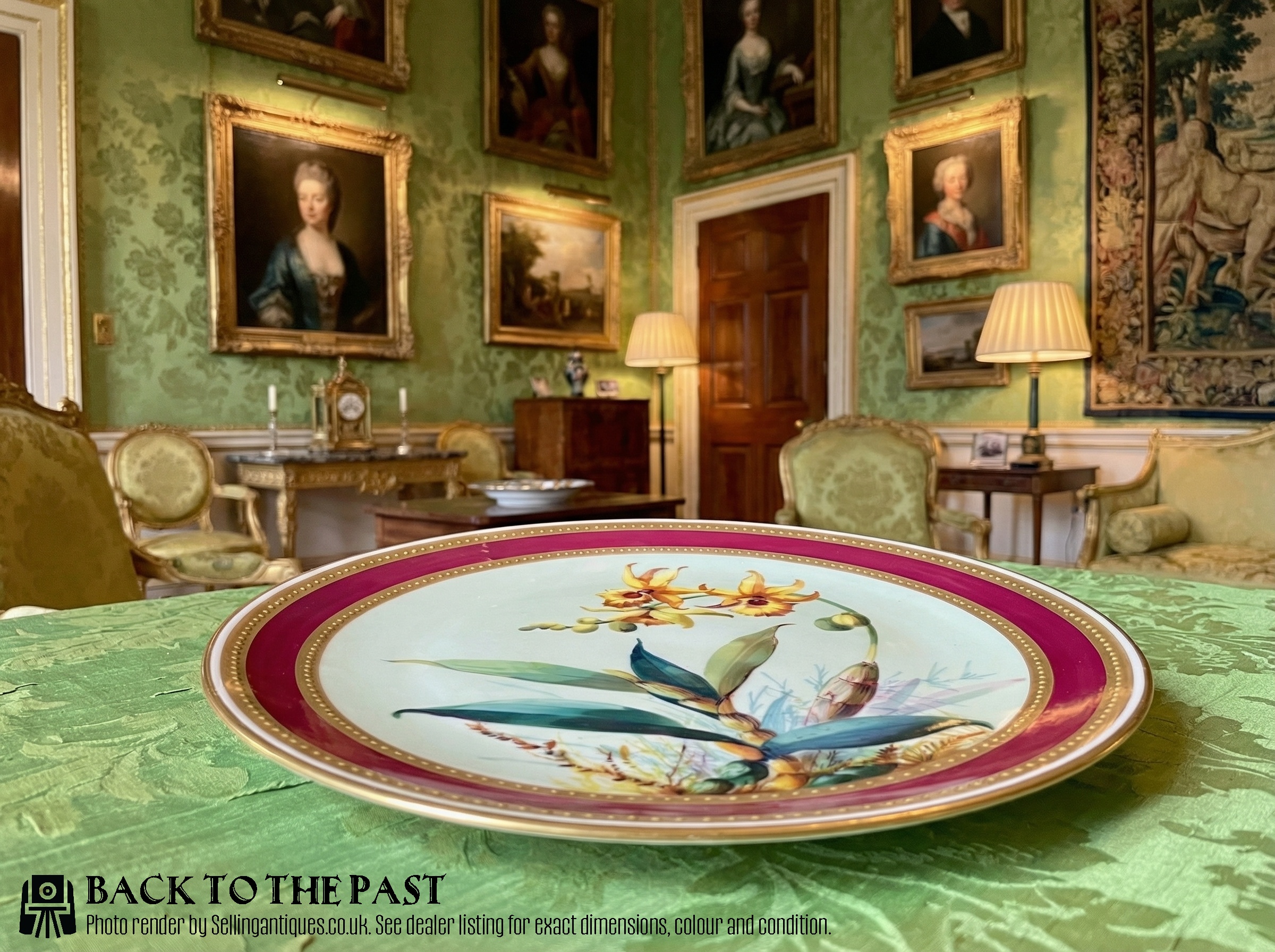
Antique Compote Dish
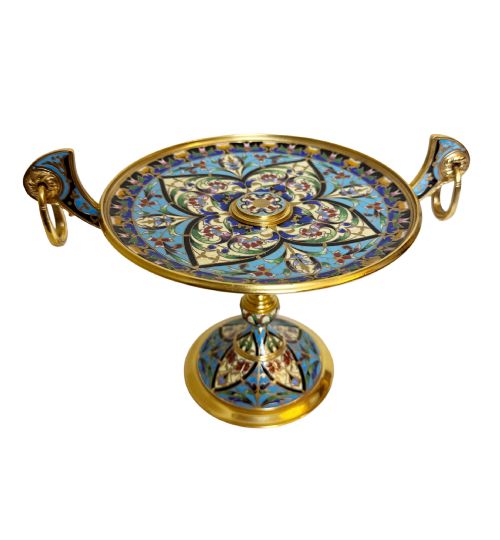
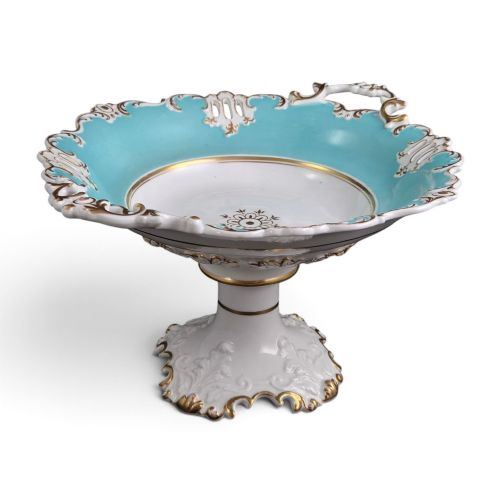
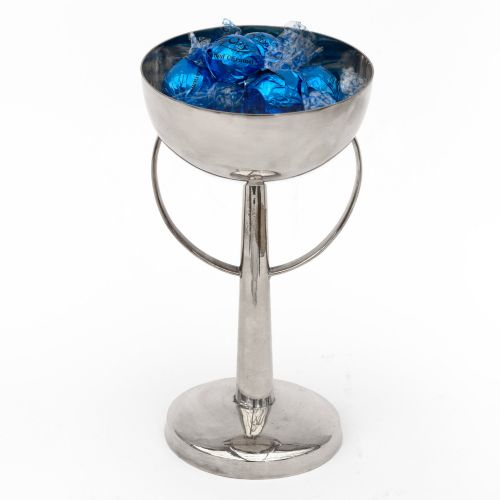
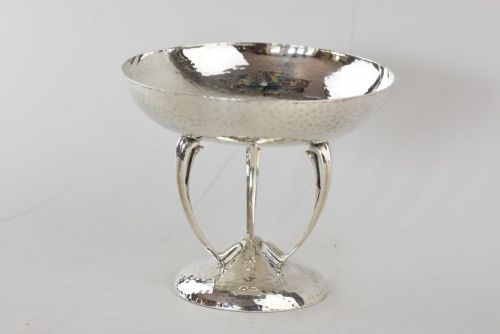
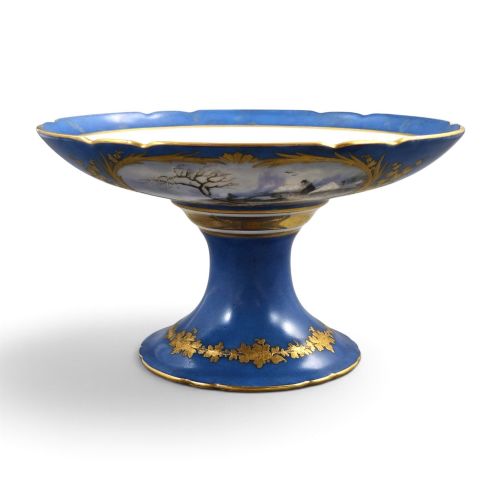
An antique compote dish typically takes the form of a tazza, pedestal bowl, or footed centrepiece designed for display and service. These elevated vessels appear across nineteenth-century and early twentieth-century periods in glass, porcelain, and metal.
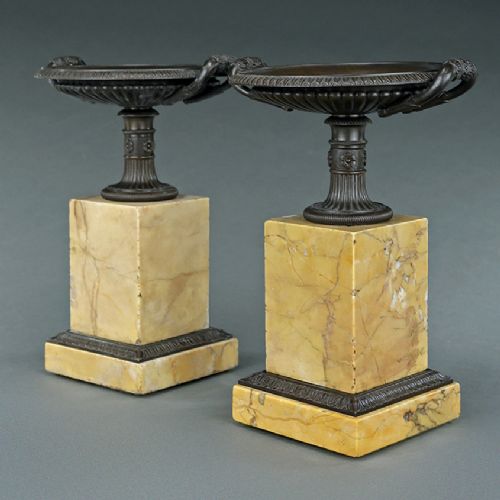
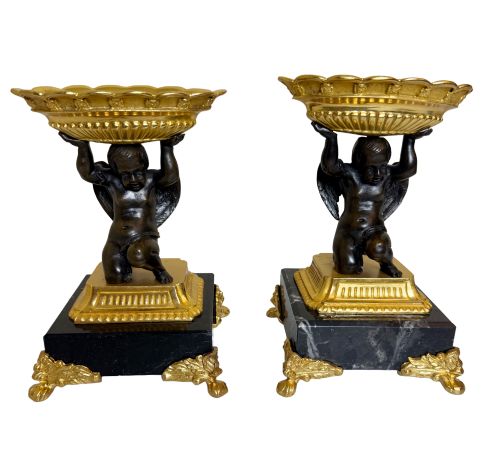
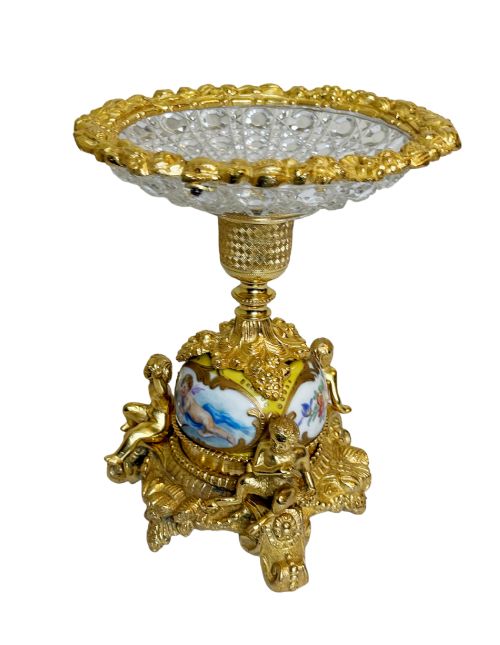
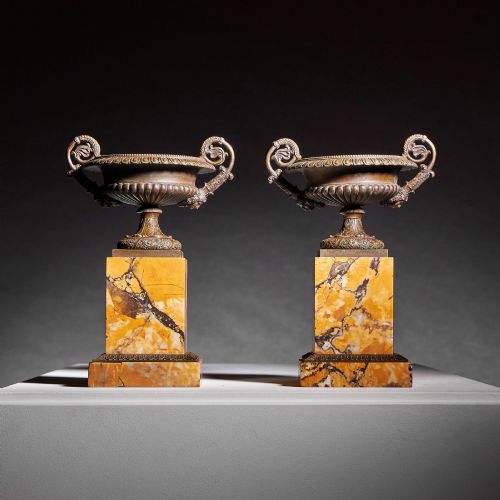
The version most frequently met on this page is the nineteenth-century tazza or decorative fruit bowl raised on a formal foot or columnar base. Makers shaped these pieces in ceramic, cut glass, and gilt bronze for formal dining tables.
Materials and construction methods
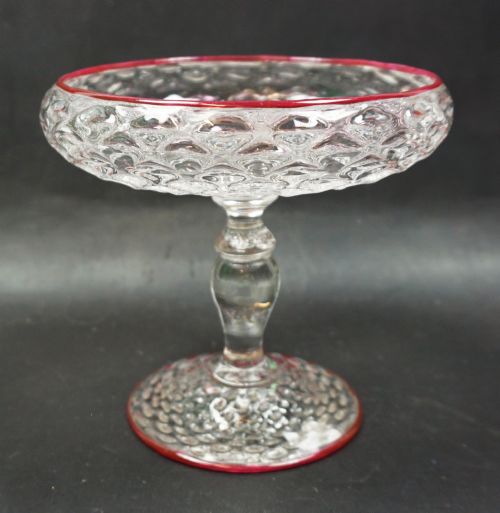
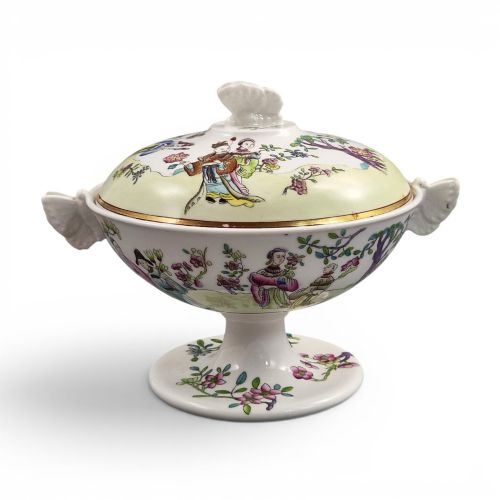
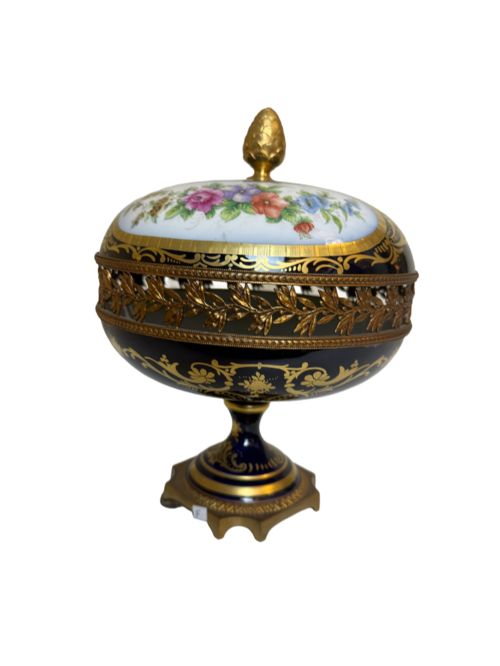
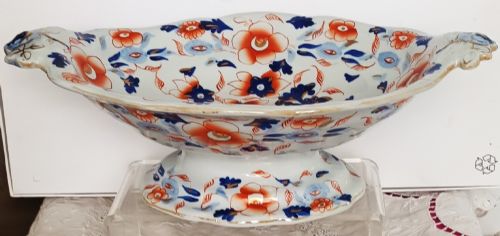
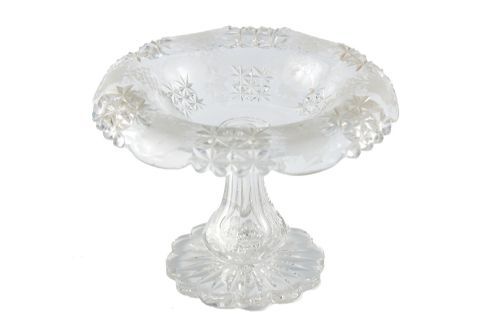
Makers shaped these pieces from cut crystal, bone china, ironstone, and porcelain, often combining them with cast bronze, gilt metal, or sterling silver mounts. Glass vessels utilise mould-blowing, cutting, and red cane decoration.
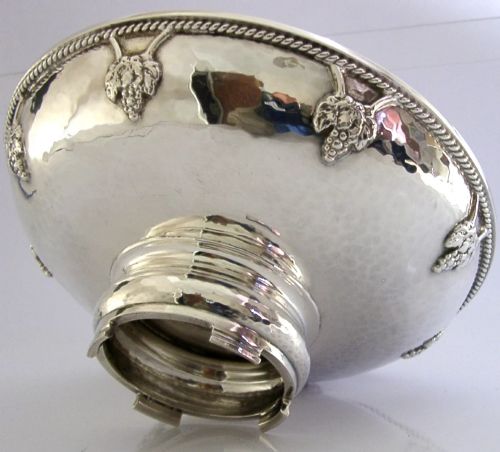
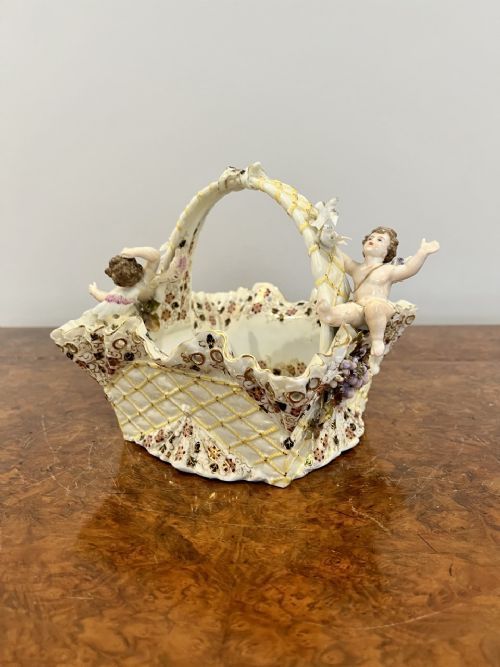
Ceramic pieces combine hand-painted enamel decoration, applied porcelain figures such as putti and roses, and transfer-printed patterns. Metal components involve casting, chasing, hammering, and gilding.
Listings feature pieces spanning the Georgian, Victorian, and Edwardian periods, utilising materials from cut glass and porcelain to bronze and silver.
Distinctions in standard and execution
The distinction between standard examples and the finest pieces lies in the crispness of the casting, the depth of the glass cutting, and the delicacy of the hand-painted enamels. Finer items integrate multiple materials, such as bronze, marble, and crystal, with secure mechanical joints.
Superior works display meticulous hand-finishing on applied elements like cherubs and floral motifs, whereas simpler items rely on standard moulded bodies with minimal surface detail.
Goldsmiths and Silversmiths Company London·Charles Boyton·Schierholz Plaue·John Ridgway·Minton
The Antique Compote Dish Glossary
- Tazza
- A shallow saucer or bowl mounted on a stem and foot, originating in the Renaissance. This form serves as the primary shape for pedestal dishes and compotes.
- Comport
- A large standing dish used historically for serving fruit or sweetmeats at dessert. The term frequently interchanges with compote and pedestal bowl.
- Champlevé
- An enamelling technique where troughs are sunk into a metal surface and filled with vitreous enamel. Artisans use this method on nineteenth-century bronze mounts.
- Putto
- A figure of a small infant, often winged, depicted in art and applied ceramics. These figures frequently support or adorn the stems of nineteenth-century centrepieces.
- Repoussé
- A metalworking technique where an artisan hammers a design from the reverse side to raise relief work. This appears on silver compotes and dishes.
Antique Compote Dish: Frequently Asked Questions
What is an antique compote dish used for?
These elevated vessels served originally for presenting fruit, nuts, or sweetmeats during the dessert course of a formal meal.
In modern rooms, they function as decorative centrepieces on dining tables, sideboards, or mantels.
Are glass and porcelain compotes fragile?
Crystal glass and porcelain pieces require careful handling due to their age and delicate stems or applied handles.
Hand washing in lukewarm water without harsh detergents protects the gilding, enamel work, and crystal surfaces.
How do I date a Victorian compote dish?
Dating relies on stylistic markers such as Rococo Revival curves, Aesthetic movement motifs, or registration marks stamped into the ceramic body.
Material composition, including ironstone or heavy cut crystal, also indicates the specific manufacturing era.