


Silver Fruit Stand
A silver fruit stand brings immediate structure and reflection to a table, combining polished metal with glass or openwork.

What silver fruit stand pieces are
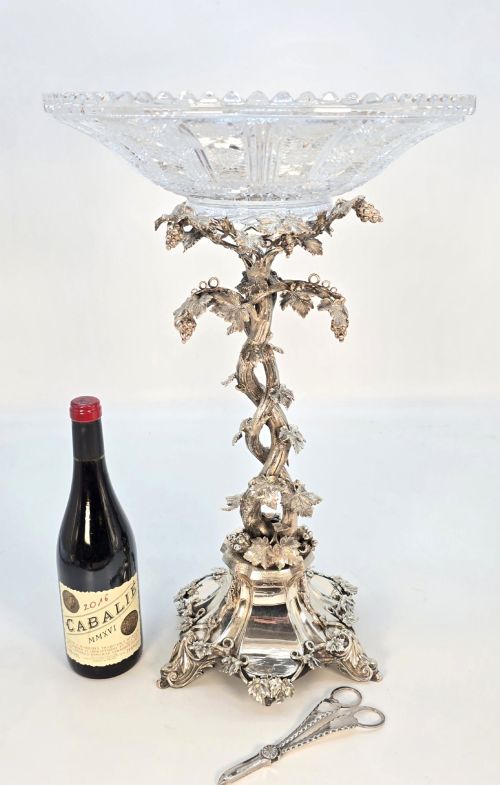
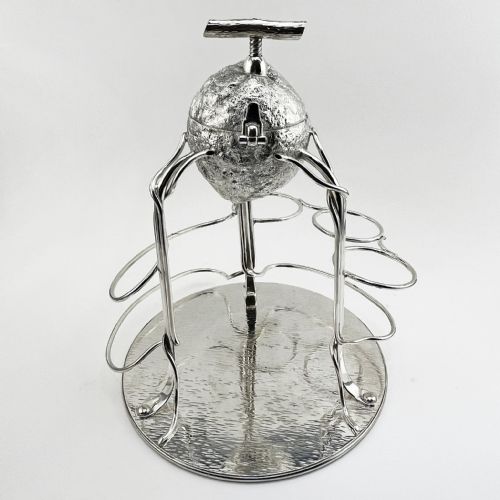
When you search for a silver fruit stand, you are looking at elevated serving vessels designed to display fresh produce or confectionery above the surface of a dining table. These pieces take several distinct forms across our listings, appearing as elaborate épergnes with etched glass baskets, solid wirework compotes, pierced sterling silver centrepieces, and traditional tazzas or bon bon dishes.
The version you are most likely to meet on this page is the Victorian silver plated and etched glass combination, or a formal Edwardian sterling silver centrepiece. These objects bridge decorative art and practical dining utility, reflecting the grand table-setting traditions of the nineteenth and early twentieth centuries through solid silver, silver plate, and clear glass.
The materials and styles span from domestic Victorian and Edwardian workshops to intricate Anglo-Indian production, covering both weighty sterling silver and durable silver plate. Centrepieces and decorative bowls form the core of what is available, offering structured elevation for fruit or decorative display.
How they were made
The construction of these items combines metalsmithing techniques such as casting, piercing, and wirework with blown and wheel-etched glass components. Sterling silver and silver plate form the structural framework, often shaped into openwork galleries, delicate wire scrolls, or sturdy pedestal feet.
Glass elements are frequently incorporated into the designs, featuring acid-etching or wheel-cut decoration to catch the light around the metallic mount. Skilled artisans assembled these multi-part vessels using secure mechanical joints and soldered joints to support the weight of fruit bowls and hanging baskets.
Victorian diners enjoyed reaching up past delicate glass baskets to pluck grapes from an épergne.
What varies in quality
Quality in these stands is determined by the crispness of the piercing, the weight of the silver or plating, and the integration of the glass components. Fine examples demonstrate precise hand-piercing in sterling silver and deeply etched crystal inserts that fit securely within their metal mounts.
Simpler silver plated versions rely heavily on the integrity of the underlying base metal and the condition of the original plating layer. The refinement of the cast decorative details around the stem and base separates standard production items from masterworks produced by prominent silversmiths.
Walker & Hall·James Dixon & Sons
The Silver Fruit Stand Glossary
- Épergne
- A large table centrepiece featuring a central dish with multiple hanging baskets or branches for fruit and sweetmeats. These elaborate stands dominate the centre of formal dining tables.
- Compote
- A stemmed dish used for serving fruit, compote, or small sweet items. It sits higher than a standard bowl to create tiered visual interest on the table.
- Tazza
- A shallow bowl or flat-topped cup elevated on a high stem and base. This Italian-derived form functions as an individual fruit stand or decorative tazza.
- Pierced
- Metalwork that has been cut through to create openwork decorative patterns such as lattices, scrolls, or foliage. This technique lightens the visual weight of silver centrepieces.
- Silver Plate
- A base metal, such as Britannia metal or copper, coated with a thin layer of pure silver. It allowed nineteenth-century makers to produce large decorative items at a lower cost than solid sterling.
Frequently Asked Questions
What is a silver fruit stand used for?
These elevated vessels were traditionally placed in the middle of a dining table to serve fruit, nuts, or sweet confections during formal meals. They served both a practical function in food presentation and a decorative role as a dramatic table centrepiece.
Today, they function well as decorative focal points on sideboards or dining tables. You can use them to hold seasonal fruit, display glass ornaments, or simply appreciate them as standalone works of metalwork.
How can I tell Edwardian from Victorian pieces?
Victorian silver fruit stands, dating from around 1880, often feature heavier ornamentation, elaborate etching on glass, and dense floral or classical revival motifs. They tend towards ornate complexity in both the metal casting and the glasswork.
Edwardian pieces, such as those from 1907, frequently exhibit lighter pierced designs, cleaner geometric or neoclassical lines, and a greater emphasis on openwork silver frames. Hallmarks and date letters on sterling silver pieces provide definitive confirmation of the exact year of assay.
What is the difference between silver and silver plate?
Solid silver, often marked as sterling silver, consists of a high purity alloy regulated by standard hallmarks that guarantee the metal content throughout the entire object. It carries inherent weight and intrinsic value that lasts indefinitely with proper care.
Silver plate involves a base metal core covered by a microscopic layer of pure silver applied through electroplating or older fusion methods. While visually identical when polished, plated items require gentle handling to preserve the thin silver surface over decades of use.