




Pierced Silver Centrepiece
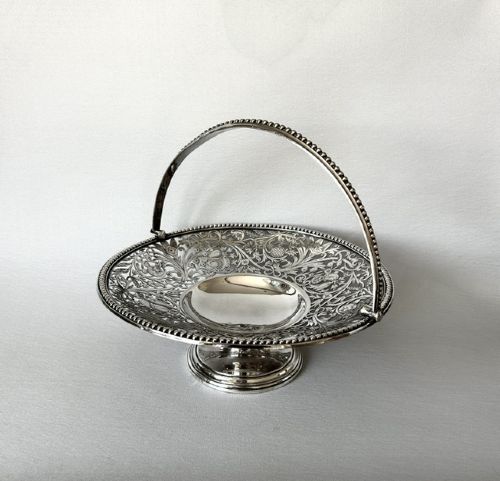
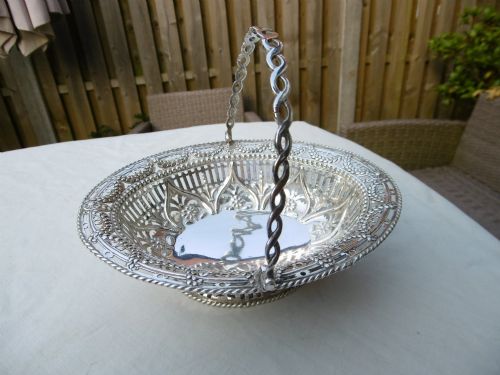
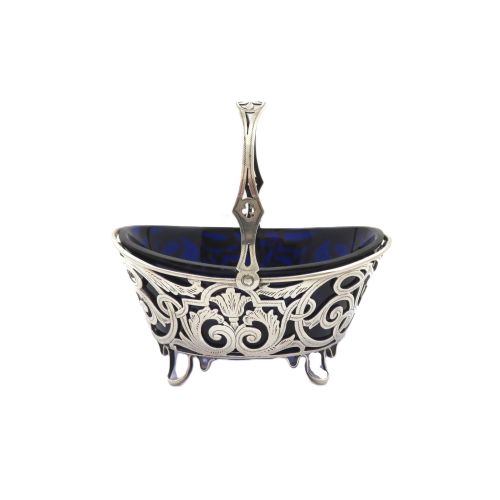
A pierced silver centrepiece brings open-work metalwork and colourful glass liners together on the dining table.
Pierced Silver Centrepiece
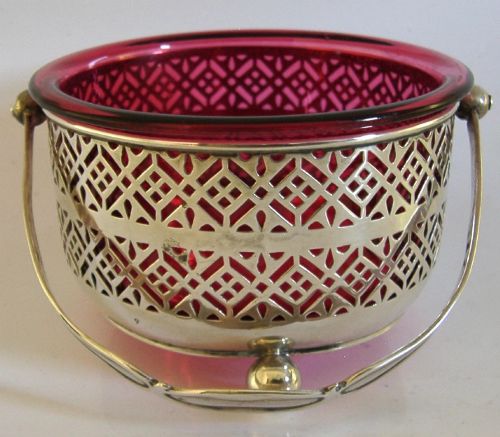
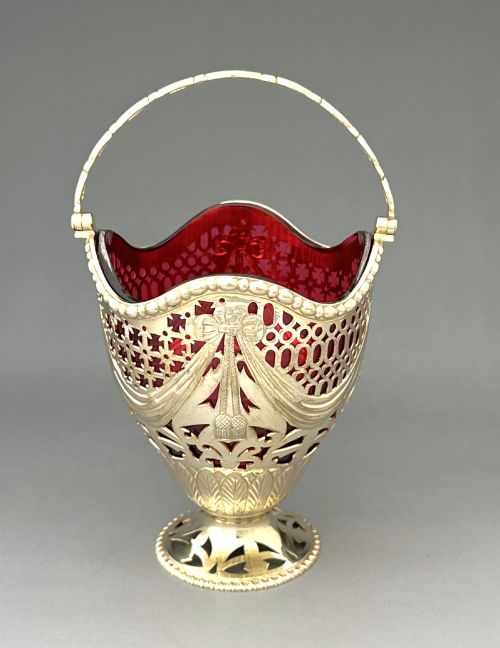
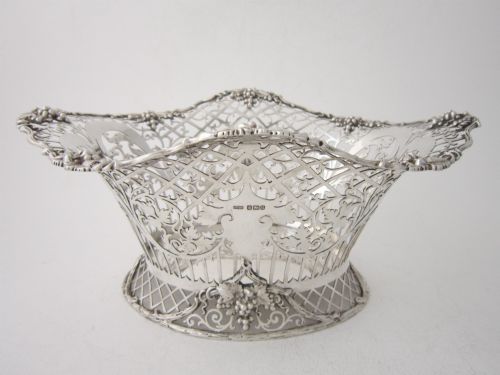
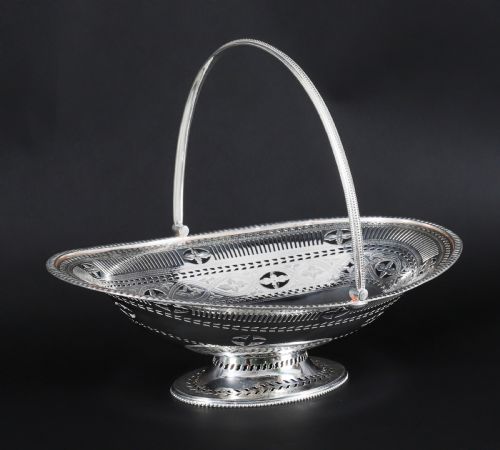
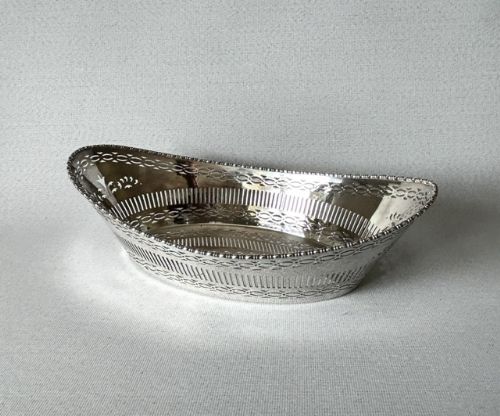
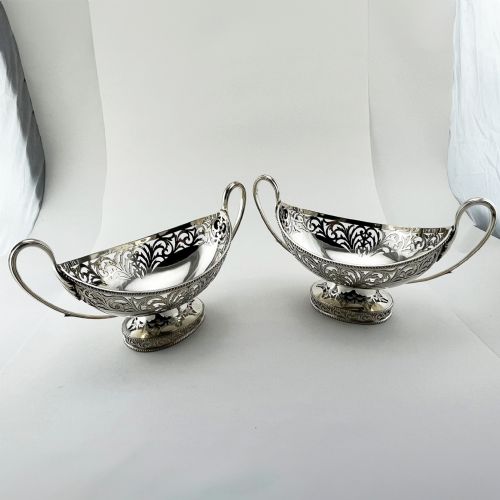
A pierced silver centrepiece combines open metalwork with large bowls, fruit baskets, bread dishes and rose bowls designed to command the middle of a table. The version you are most likely to meet on this page is the Edwardian or Victorian pedestal bowl or swing-handled basket.
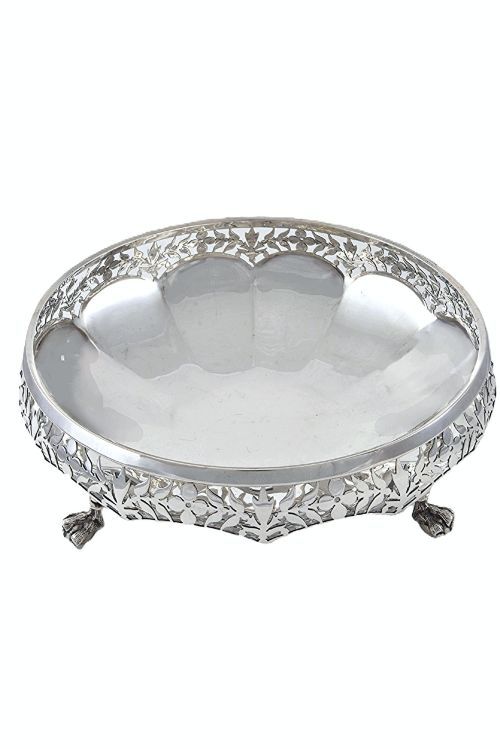
Makers shaped these vessels in solid sterling silver, 800 silver or silver plate, often incorporating pierced lattice, fretwork or wickerwork patterns. Many examples rest on three feet or a raised pedestal base to elevate the display.
The periods represented stretch from the eighteenth century through the Victorian and Edwardian eras into the 1930s. Alongside British sterling and plate, pieces from German, Indian and Chinese export workshops appear in the listings.
Materials and technique
Silversmiths constructed these pieces by piercing, sawing or fretting sheet silver to create intricate open-work patterns of lattice, scrollwork and geometric bands. This labour-intensive process required steady hand-cutting before the metal was shaped into bowls, baskets or vases.
Many open baskets and bowls were paired with removable glass liners in cobalt blue, cranberry or green hues to hold liquids, fruit or flowers safely. Guilders also applied thin layers of gold to silver surfaces to create a contrasting two-tone finish inside the vessel.
Some Edwardian baskets feature handles that swing down quietly, ready for the next round of bread.
Standards of craftsmanship
Quality rests upon the crispness and depth of the pierced work, where clean edges and balanced symmetry distinguish master silversmiths from simpler production workshops. The thickness of the silver gauge dictates the rigidity of the open lattice, preventing distortion across wide spans.
The presence of an undamaged original coloured glass liner elevates a piece, particularly when the glass matches the exact contours of the silver framework. Maker marks, clear town assay stamps and full sets of hallmarks provide the documentary evidence that separates standard commercial wares from notable workshop output.
Mappin & Webb·Thomas Bradbury·John Hunt·Joseph Rodgers·Viners·Fenton·William Comyns·Walker & Hall·Hammond Creake Co·William Hutton Sons·James Dixon Sons·Martin Hall·Edward H Stockwell·Josiah Williams Co
The Pierced Silver Centrepiece Glossary
- Pierced work
- Metal decorated by cutting patterns through the sheet. This technique creates lightweight decorative panels while maintaining structural integrity.
- Swing handle
- A hinged handle attached to the rim of a basket. It allows the handle to drop flat against the side when not in use.
- Glass liner
- A removable vessel placed inside a silver basket or bowl. These liners protected the silver from moisture and acidic contents such as fruit.
- Assay mark
- A stamp applied by an official office to verify the purity of the metal. These marks often include date letters and town symbols.
- Compote
- A stemmed dish used for serving fruit or sweets. They stand elevated above the table surface on a single pedestal base.
Pierced Silver Centrepiece: Frequently Asked Questions
What were pierced silver centrepieces used for?
These vessels held fruit, bread, flowers or decorative arrangements in the centre of dining tables during formal meals.
They also served as decorative display pieces when not in active use on the dining table.
How do I clean a pierced silver bowl?
Wash the silver gently with warm soapy water and a soft cloth to avoid scratching the intricate fretwork.
Remove glass liners before cleaning and dry all metal surfaces thoroughly to prevent tarnishing.
Are glass liners original to the pieces?
Many Edwardian and Victorian baskets retain their original cobalt, cranberry or green glass liners fitted to the inner contours.
Replacement liners appear frequently because the original glass was fragile and prone to breakage over decades of use.
How do I identify the date of a piece?
British pieces feature hallmarks stamped directly onto the metal, including date letters that correspond to specific assay office records.
Stylistic clues such as Art Nouveau curves or Neoclassical swags also help narrow down the decade of production.