


Silver Dining Table Centrepiece
A silver dining table centrepiece anchors a formal meal, offering height and polish to the room.
What They Are
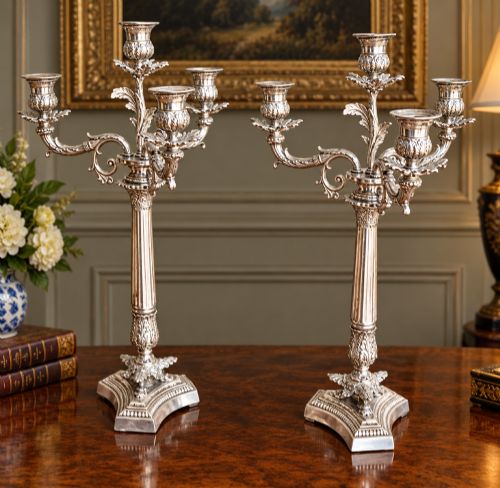
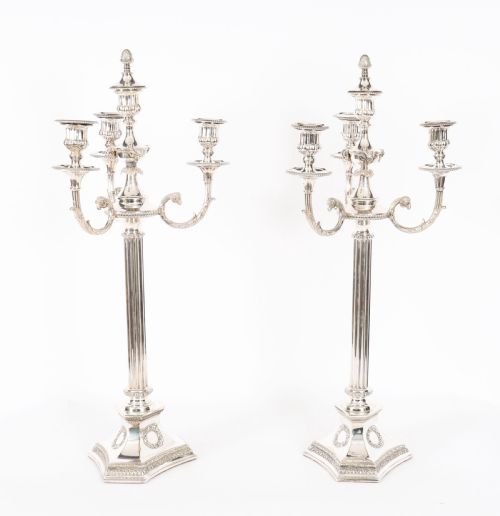
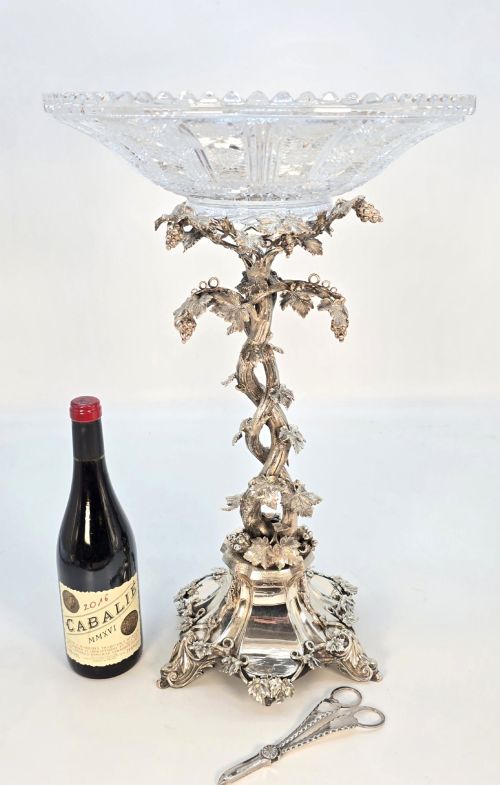
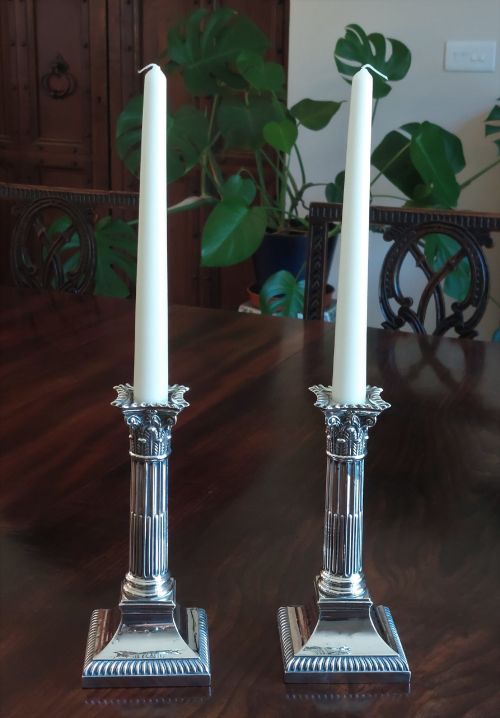
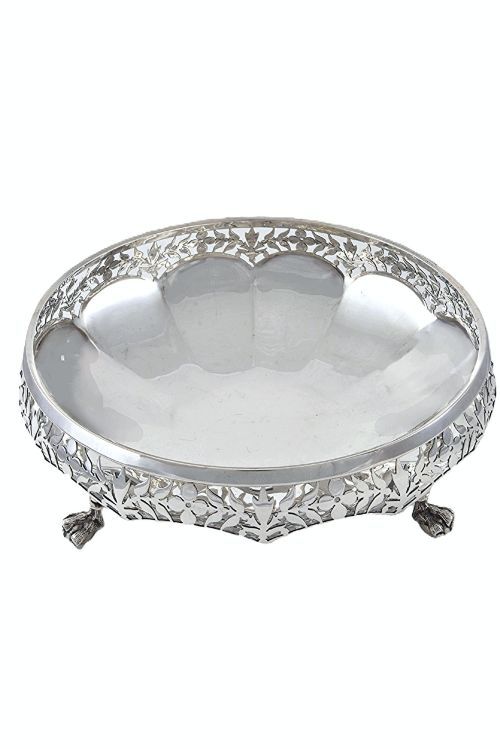
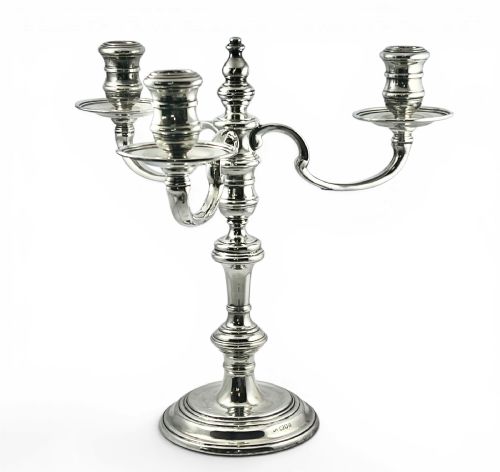
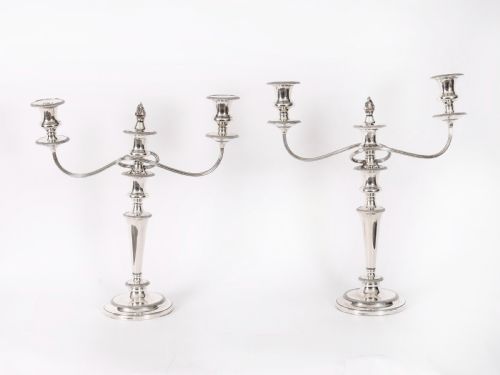
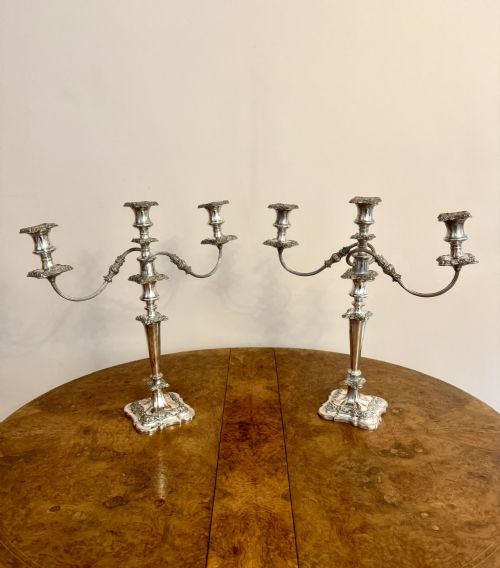
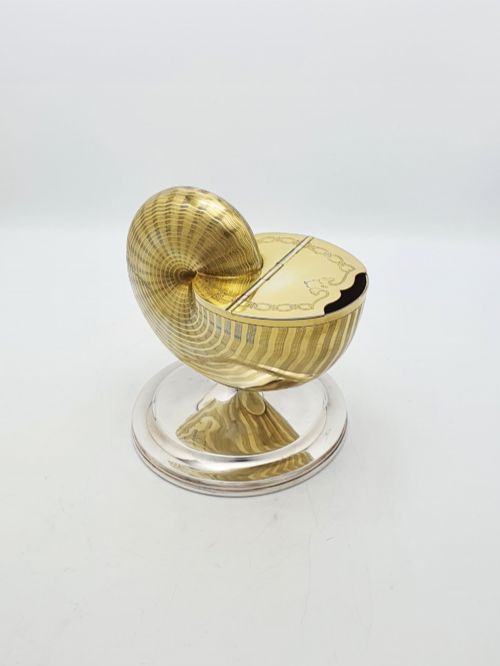
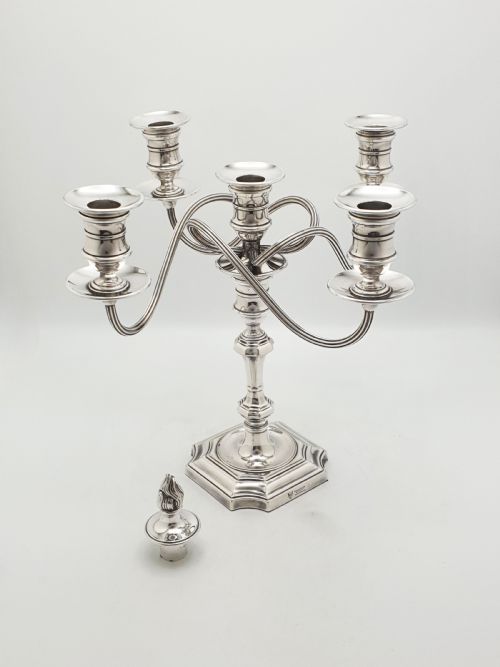
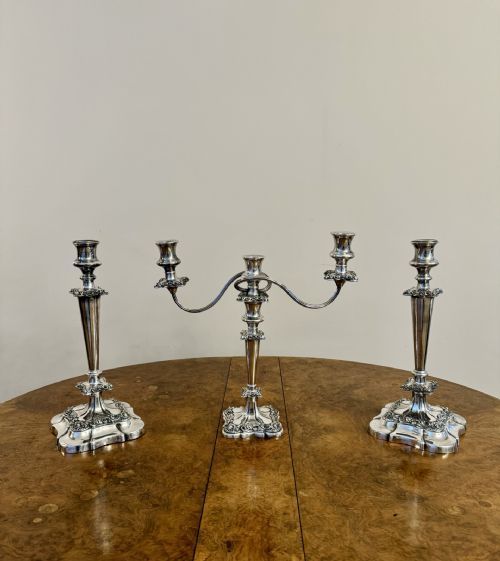
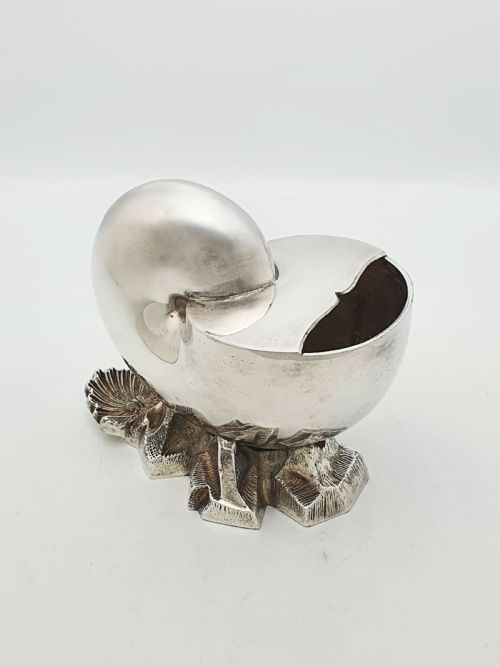
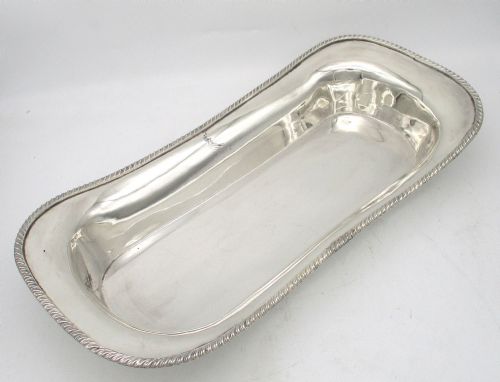
A silver dining table centrepiece brings a commanding presence to a formal setting, functioning as both a decorative focal point and a practical vessel for fruit or illumination. These items range from large, detailed open bowls to branched candelabras that elevate candles above the table surface.
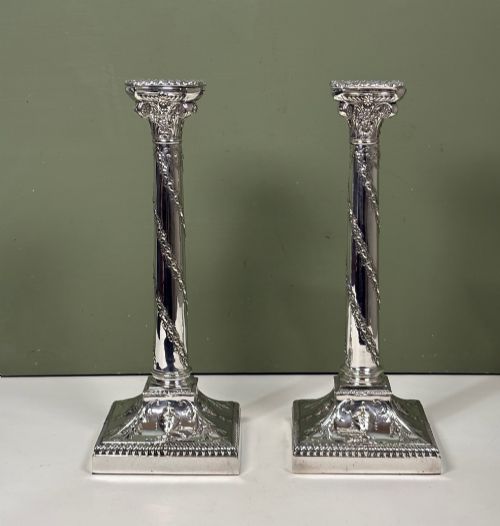
The selections encountered here span several distinct eras, stretching from the nineteenth century through the Edwardian period and into mid-century modern design. Forms vary considerably across these periods, encompassing open fruit baskets, handled dishes, and towering multi-branch candelabras.
Makers and origins shift across international workshops, featuring English silver from Sheffield alongside Italian branches and Irish dish rings. Buyers frequently encounter pieces executed in solid sterling alongside durable silver plate adaptations from the mid-twentieth century.
How They Were Made
Silversmiths utilised traditional manufacturing methods, raising vessels from flat sheets of sterling silver or applying silver plating over base metal armatures. Cast elements, such as scrolled branches and decorative feet, were soldered to main bodies to achieve structural stability.
Intricate surface detail often relied on hand-chasing and piercing techniques, particularly visible in fruit baskets and dish rings where metal was cut away to form openwork patterns. Shell motifs and rococo scrolls were frequently embossed by hand using specialised punches and hammers.
Retail Price Guide 2026
Typical UK retail prices for silver dining table centrepiece, calculated from the Sellingantiques database of over a million retail prices indexed since 2003. This retail price guide relies exclusively on Sellingantiques data; no external sources or auction records are used, so the figures do not describe the wider market.
Current listings feature materials including sterling silver, silver plate, and cobalt glass across various twentieth-century periods.
What Varies in Quality
The calibre of a silver dining table centrepiece rests largely on the crispness of its cast ornamentation and the depth of its hand-chased relief work. Superior examples display sharply defined scrollwork and botanical motifs without softening or wear on high-relief edges.
Weight and structural integrity distinguish heavier solid silver productions from lighter plated alternatives, with substantial gauge metal providing a reassuring heft. Maker marks and clear hallmarking further separate workshop-identified pieces from unmarked or generic commercial items.
Barker Ellis·William Hutton & Sons·Garrard & Co Ltd
The Silver Dining Table Centrepiece Glossary
- Sterling silver
- A standard alloy consisting of ninety-two point five percent silver by mass, with the remainder usually copper. This composition ensures durability while maintaining a bright metallic lustre.
- Silver plate
- A manufacturing method where a thin layer of silver is bonded to a base metal such as copper or nickel brass. It offers the appearance of solid silver at a different scale of production.
- Candelabra
- A branched candlestick holder designed to support multiple candles simultaneously. These range from two-arm versions to large four-branch table fittings.
- Dish ring
- An open-ended cylindrical stand, often spool-shaped, traditionally placed on the dining table to hold bowls or dishes above the wooden surface. Irish examples are particularly noted in traditional forms.
- Hallmark
- An official stamp or series of marks applied to precious metals in Britain and other countries, indicating the purity of the metal, the maker, and the year of assay.
Frequently Asked Questions
What is a centrepiece used for?
A centrepiece acts as the primary decorative anchor on a dining table during meals. Historically, larger versions held fruit, flowers, or provided elevated candle lighting.
Today, they continue to serve as functional tableware and decorative focal points in dining rooms.
How do I clean silver?
Silver requires gentle cleaning with a specialised non-abrasive polish to remove tarnish without scratching the surface. Soft cloths and warm soapy water help maintain the finish between polishing sessions.
Avoid harsh chemical dips, as they can strip desirable patinas from antique pieces.
Are these pieces solid silver?
Materials vary across the selection, encompassing both solid sterling silver and silver plate over base metals. Hallmarks on the body or base usually indicate the specific metal standard used by the maker.
Checking the stamps provides definitive information regarding the composition of each individual item.
How do I date an antique?
Dating relies on official hallmarks, maker stamps, stylistic conventions, and manufacturing techniques characteristic of specific eras like the Edwardian period or the nineteenth century. Assay office marks often include specific letters corresponding to the year of manufacture.
Comparing stylistic details such as neoclassical revival motifs helps narrow down the period of origin.