
Victorian Silver Bowl
When you handle a victorian silver bowl, you meet the solid weight, pierced silver work, and cut glass liners that defined nineteenth-century dining.
Victorian Silver Bowl
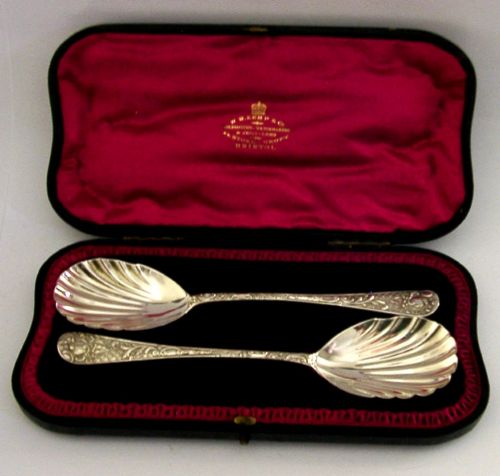
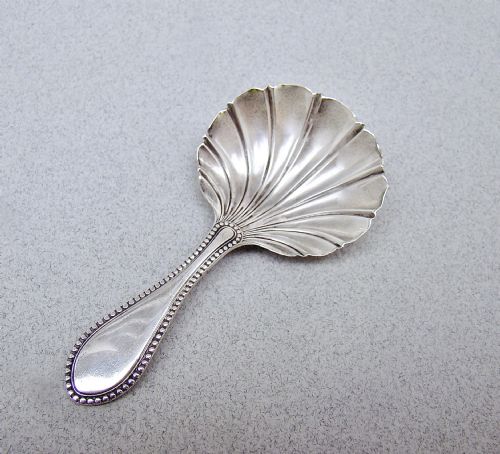
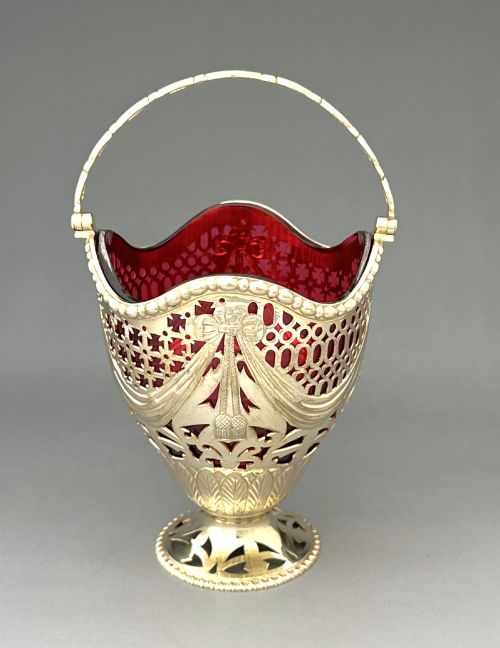
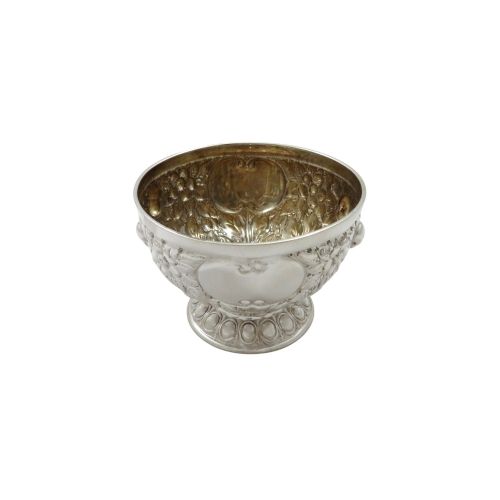
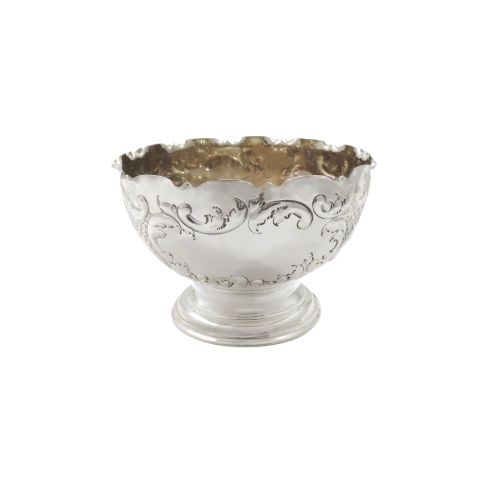
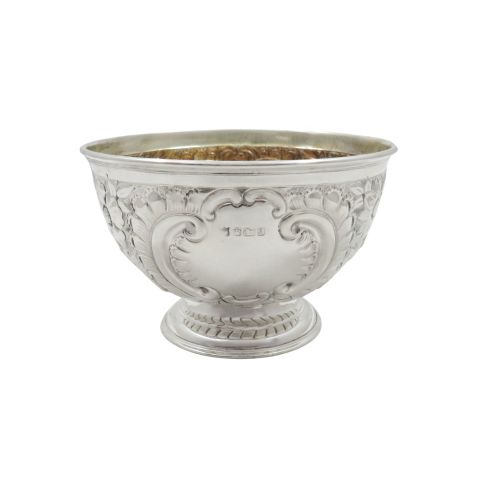
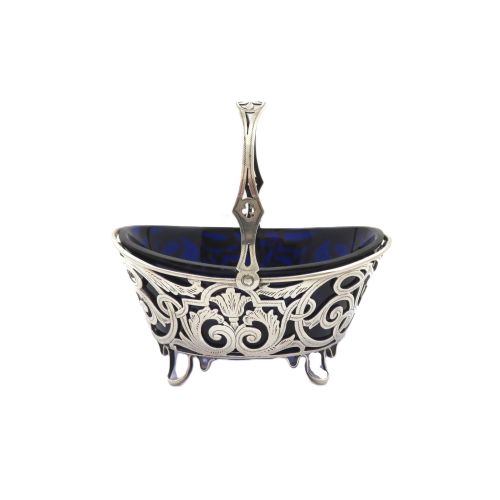
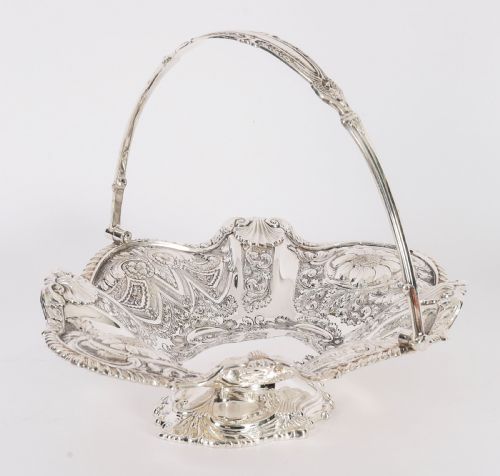
A victorian silver bowl encompasses a range of domestic forms designed for the table, including sugar basins, rose bowls, fruit baskets, and bonbon dishes. These vessels appear in solid sterling silver and silver plate, often paired with coloured glass liners in cranberry, amber, and blue.
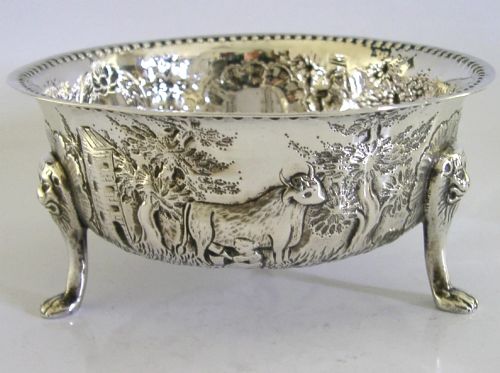
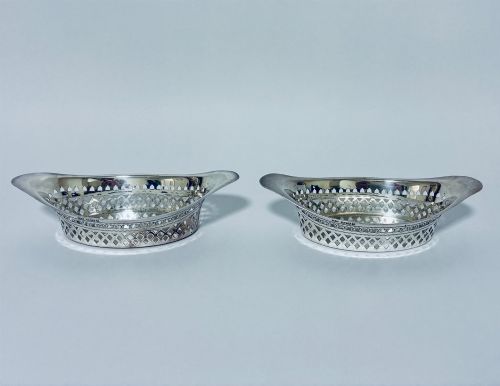
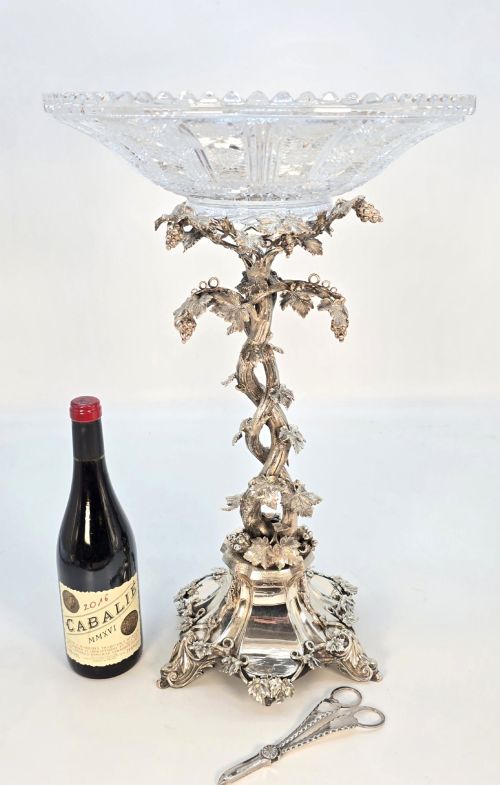
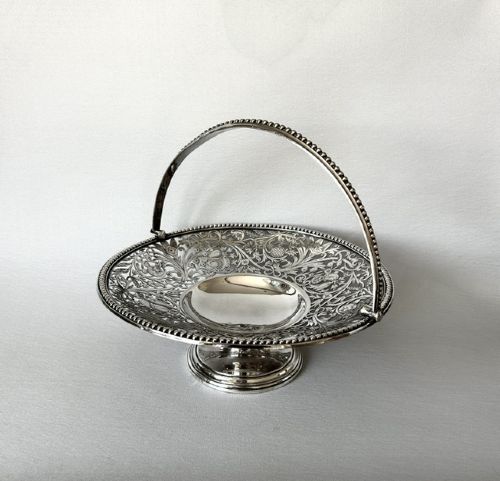
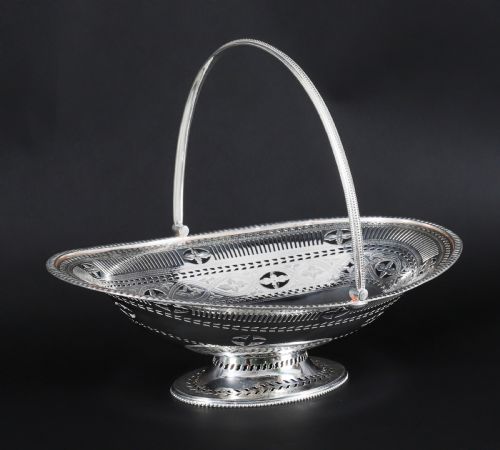
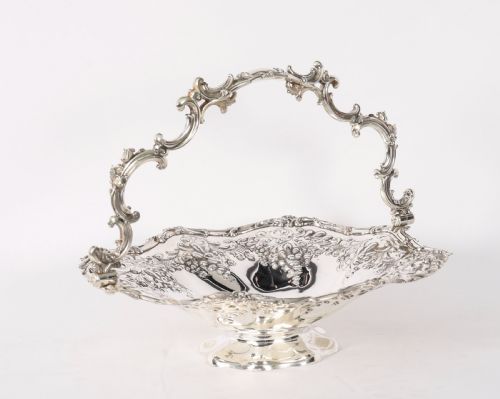
The objects stem from the broader Victorian period alongside adjacent Edwardian examples, taking shapes from simple pedestal feet to elaborate twin-handled mounts. Pierced decoration and repoussé chasing frequently adorn the surfaces, creating textured bowls meant for display as well as service.
Materials and technique
Silversmiths utilised sterling silver and electroplated nickel silver as foundational metals, shaping them through hammering, casting, and piercing. Many designs integrate cut glass or vaseline glass liners held securely within pierced or solid silver frames.
Surface decoration relied on repoussé chasing and engraving, pressing floral and figural motifs from the reverse or cutting lines directly into the metal. Gilding was also applied to interior surfaces, yielding a rich silver-gilt finish.
Victorian Silver Bowl Retail Price Guide 2026
Typical asking prices for victorian silver bowl among the pieces listed under this phrase on Sellingantiques today, from the lower quarter to the upper quarter. They describe what is for sale here now, not the wider market.
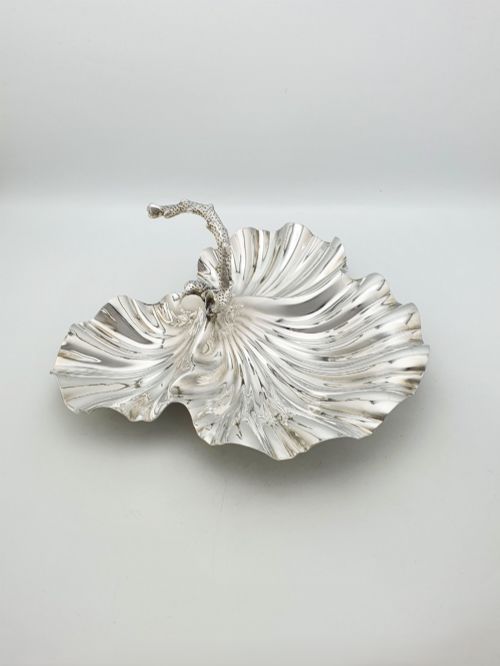
Some Victorian confection bowls came equipped with handles shaped like stylised coral or resting birds, proving that Victorians loved their sugar served with a side of wildlife.
Variations in quality
Quality rests on the crispness of the chasing and the depth of the metal work, where hand-pierced detailing and heavy gauge silver distinguish superior vessels from lighter wares. The integration of components, such as a fitted glass liner resting flush within a pierced silver basket, signals careful workshop execution.
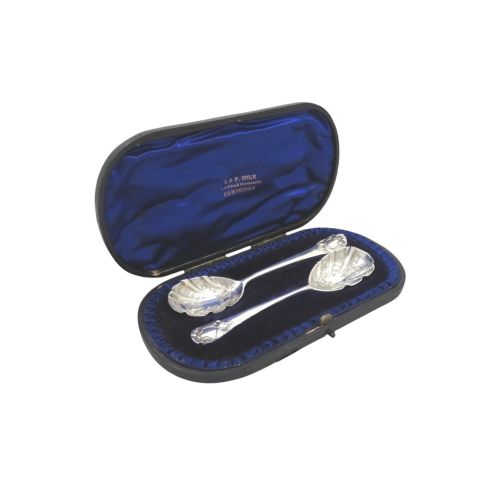
Maker attribution and assay office marks anchor the standing of a piece, with recognised silversmiths delivering more complex forms like multi-tiered centrepieces or chased rose bowls. The survival of original gilding and matched spoons further elevates the integrity of the ensemble.
Martin Hall & Co·George W Scott & Sons Ltd·William Comyns·Hukin & Heath·Thomas Bradbury·Henry Wilkinson & Co·Henry Matthews·Joseph Rodgers & Sons
The Victorian Silver Bowl Glossary
- Repoussé
- A metalworking technique where the artisan hammers a design from the reverse side to create raised relief on the front. This method produced the elaborate floral and bird motifs seen on nineteenth-century bowls.
- Bonbon dish
- A small, decorative vessel intended for holding sweets or confectionery during formal tea service or dessert. These often feature pierced silver walls or delicate swing handles.
- Rose bowl
- A specialised round bowl designed specifically for floating short-stemmed rose heads, frequently fitted with an internal wire or pierced metal flower grid. They stand on pedestal bases and appear across late nineteenth-century dining tables.
- Silver plate
- A base metal, typically electroplated nickel silver, coated with a thin layer of pure silver. This technique allowed manufacturers to produce large fruit baskets and centrepieces at a lower cost than solid sterling.
- Vaseline glass
- A transparent, uranium-infused glass that exhibits a distinct yellow-green fluorescence under ultraviolet light. It appears paired with silver-plated frames in Edwardian dishes and baskets.
Victorian Silver Bowl: Frequently Asked Questions
What was a silver bowl used for?
Victorian households utilised these vessels for serving sugar, fruit, sweetmeats, and floating flowers during formal meals. Specific forms catered to distinct rituals, such as rose bowls for table centrepieces and smaller dishes for confectionery.
Over time, their roles shifted from active dining service to decorative display pieces within the home, retaining their original association with hospitality.
How do I care for silver and glass?
Maintain sterling silver and silver plate by washing gently in warm soapy water and drying with a soft cloth to prevent tarnish buildup. Avoid harsh abrasive cleaners that can wear away thin silver plating or damage engraved details.
Remove glass liners before cleaning the metal frame to protect both materials. Store pieces away from damp environments to keep the surfaces stable.
How can I tell the period?
Assay office marks, date letters stamped into the metal, and stylistic clues reveal the era of manufacture. Victorian pieces often display registration marks or specific monarchical duty marks alongside maker stamps.
Stylistic shifts also guide the eye, moving from mid-century rococo revival forms to late-century aesthetic movement and arts and crafts interpretations.
Why do some bowls have glass inserts?
Glass liners protected the underlying silver from staining and corrosion caused by acidic foods like fruit, jams, and preserves. Coloured glass also provided a striking visual contrast against pierced or polished silver frames.
Cranberry, amber, and blue glass liners were especially popular for enhancing the decorative impact of sugar baskets and preserve dishes.