

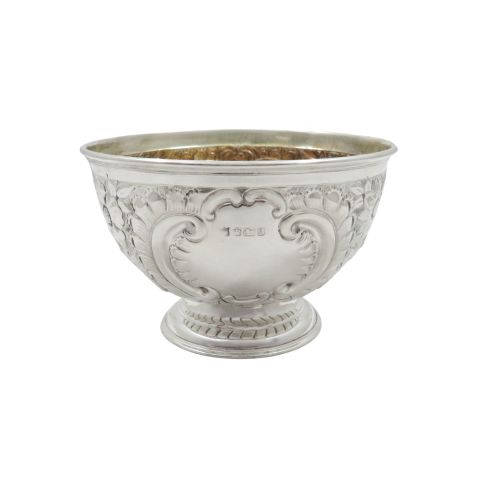


Sterling Silver Rose Bowl
These sterling silver rose bowl examples combine weighty metal with traditional floral displays, offering a classic table centrepiece for your home.
Sterling Silver Rose Bowl
A sterling silver rose bowl is a low, rounded vessel traditionally designed to hold short-stemmed floral arrangements, often accompanied by a removable wire mesh lid known as a flower frog. These items serve as striking decorative bowls or centrepieces for dining tables and sideboards.
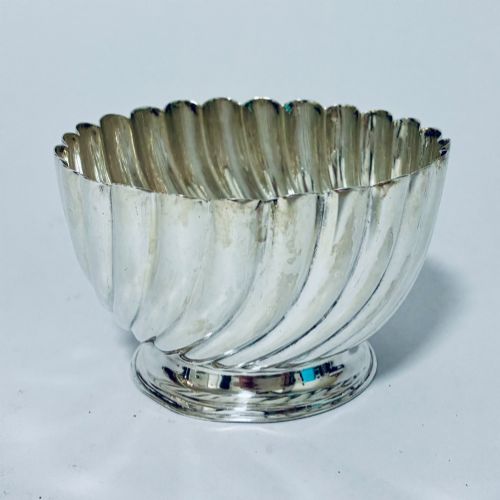
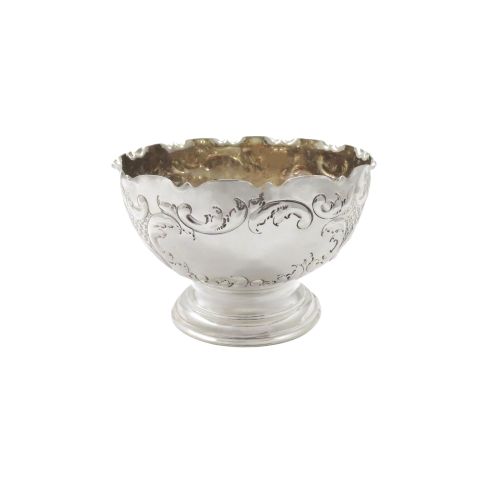
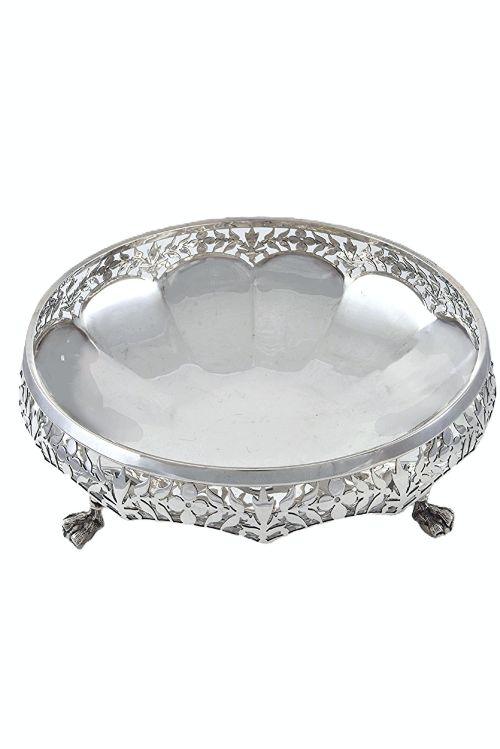
The versions you are most likely to encounter on this page span from the late Victorian and Edwardian eras through to the mid twentieth century. They frequently appear in plain polished silver, footed pedestals, or decorated with traditional repoussé work.
Examples range from compact presentation pieces weighing under fifty grams to substantial centrepiece bowls exceeding two kilograms. Many items reflect specific periods including George V and Arts and Crafts designs.
Materials and technique
The pieces recorded in these listings are formed from solid sterling silver or heavier gauge silver, providing the substantial weight required for large centrepiece bowls. Silversmiths utilised traditional raising and spinning techniques to achieve the characteristic rounded bowl body.
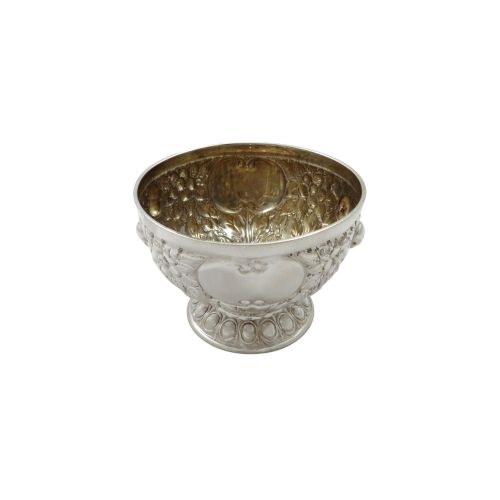
Decoration was frequently applied by hand, using repoussé and chasing methods to push the metal from behind and create floral and bird motifs. Other workshops favoured a planished and hammered finish, particularly seen in Arts and Crafts examples from the nineteen thirties.
Sterling Silver Rose Bowl Retail Price Guide 2026
Typical asking prices for sterling silver rose bowl among the pieces listed under this phrase on Sellingantiques today, from the lower quarter to the upper quarter. They describe what is for sale here now, not the wider market.
What varies in quality
Quality in these vessels is largely determined by the thickness of the silver sheet and the resulting overall weight of the bowl relative to its physical size. Heavy gauge silver provides greater rigidity and prevents denting during everyday use.
The crispness and depth of hand-applied decoration, such as repoussé floral motifs or hammered surfaces, separate standard production items from finer silversmith work. Maker attribution and the presence of clear hallmarks further distinguish the pieces.
Joseph Rodgers·Elkington & Co
The Sterling Silver Rose Bowl Glossary
- Sterling silver
- An alloy consisting of ninety-two point five percent silver and seven point five percent other metals, typically copper, used to ensure durability while maintaining a bright lustre.
- Repoussé
- A metalworking technique where the silversmith shapes the metal by hammering from the reverse side to create raised ornamental designs on the front.
- Planishing
- A hammering technique utilising a smooth-faced hammer to refine the shape of a metal vessel and impart a faceted, light-reflecting texture across the surface.
- Centrepiece
- A large decorative bowl or ornament designed to occupy the middle of a dining table, often featuring substantial proportions and presentation inscriptions.
- Pedestal foot
- A raised circular or multi-sided base that elevates the main body of the bowl above the surface of the table.
Sterling Silver Rose Bowl: Frequently Asked Questions
What is a flower frog?
A flower frog is a removable metal grille or wire mesh that sits across the top opening of the bowl. It holds individual flower stems apart to support a structured arrangement.
Most antique rose bowls originally included this matching insert, though many surviving examples are now displayed without them.
How were these bowls used?
These vessels were primarily filled with short-stemmed roses for display on dining tables, mantelpieces, or grand entrance halls. They also functioned as presentation prizes for sporting events and civic ceremonies.
Engraved inscriptions on the body often record these commemorative presentations from the Victorian and Edwardian periods.
How do I polish sterling silver?
Cleaning requires a soft microfiber cloth and a mild, non-abrasive silver polish formulated to lift tarnish without removing the underlying metal. Regular, gentle wiping preserves both the polished surface and any detailed hand engraving.
Harsh abrasive dips should be avoided, particularly on pieces with recessed repoussé or blackened highlights.
How do I date a silver bowl?
Dating relies upon the hallmarks stamped into the silver, which typically include a city mark, a standard mark, and a specific date letter corresponding to the assay office. Stylistic clues such as Arts and Crafts hammering or Victorian floral repoussé also indicate the likely period of manufacture.