



Vintage Silver Footed Bowl
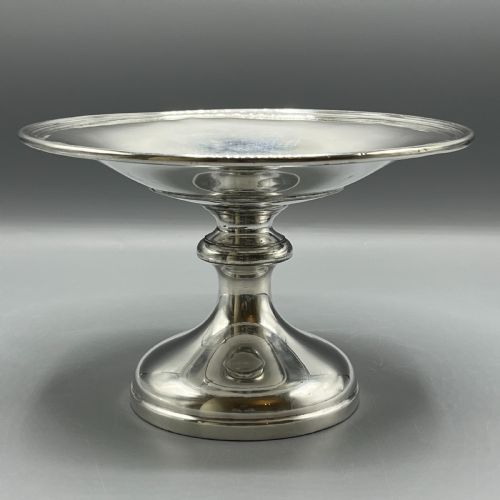
These vintage silver footed bowls range from Edwardian table pieces to Art Deco designs, offering raised display for fruit, bonbons, and table centrepieces.
Vintage Silver Footed Bowl
A vintage silver footed bowl brings raised elevation to domestic tables, serving as centrepiece bowls, fruit baskets, and bonbon dishes. When you search for this phrase, you encounter vessels raised on integral feet, pedestals, or small supports.
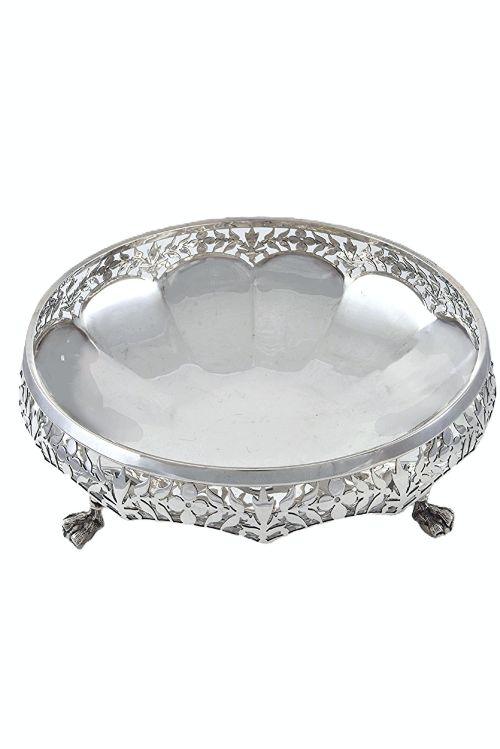
The selections span periods from the late nineteenth century through the Edwardian era, Art Deco years, and mid-century modernism. Forms include pierced solid silver bowls, wirework compotes, and hammered pewter fruit baskets.
Origins stretch across British workshops in Sheffield, Irish silversmiths, Anglo-Indian colonial makers, Thai silversmiths, and Spanish designers. These pieces function as decorative table objects, sweet dishes, and tea service components.
How they were made
Makers utilised solid sterling silver, silver plate over base metals, pewter, and cut glass combined with silver mounts. Metals are cast, hammered, pierced, or worked into intricate wirework designs.
Vintage Silver Footed Bowl Retail Price Guide 2026
Typical asking prices for vintage silver footed bowl among the pieces listed under this phrase on Sellingantiques today, from the lower quarter to the upper quarter. They describe what is for sale here now, not the wider market.
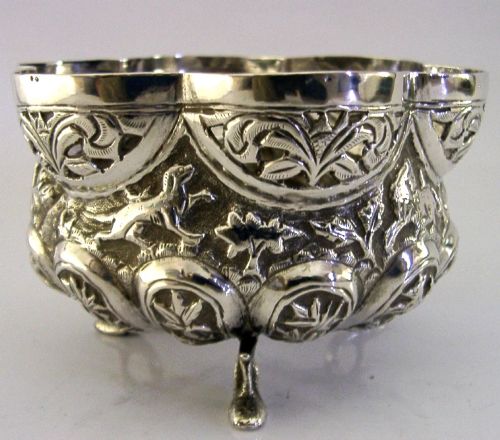
Certain early twentieth-century solid silver bowls feature hand-chased animal figures roaming around the base.
What varies in quality
Gauge and weight separate robust vessels from lighter items, with heavier gauge silver offering a more substantial feel in the hand. The crispness of piercing, hand-chased animal details, and hammered textures determines the refinement of the craftsmanship.
The integrity of the footed base and the connection to the bowl body dictate structural stability. Hallmarks, maker marks, and regional provenance signatures add clarity to origin and date.
Fenton
The Vintage Silver Footed Bowl Glossary
- Bonbon dish
- A small, decorative bowl intended for holding sweets or small confections. These often feature pierced latticework or footed bases.
- Compote
- A raised bowl on a stem or foot used for serving fruit or sweetmeats. They appear in both solid silver and wirework constructions.
- Silver plate
- A layer of silver fused to a base metal core such as copper or brass. This technique allowed manufacturers to produce larger decorative tableware affordably.
- Pierced
- Metalwork punctured with decorative patterns or lattice openings. This technique lightens the visual weight of large centrepiece bowls.
- Gauge
- The thickness of the metal sheet used to form the vessel. Heavy gauge pieces resist dents and provide greater structural longevity.
Vintage Silver Footed Bowl: Frequently Asked Questions
What were footed bowls used for?
These bowls served primarily to hold fruit, bonbons, or sweets on dining tables and sideboards. Their raised feet elevated the contents above the table surface for better display.
Larger versions functioned as centrepieces during formal meals, while smaller dishes held individual portions or small confections.
How do I style a footed bowl at home?
Place a footed bowl on a dining table, sideboard, or coffee table as a standalone decorative object. You can leave the piece empty to showcase pierced metalwork or hammered textures.
Alternatively, fill the bowl with seasonal fruit, glass ornaments, or potpourri to add colour and height to a room.
How can I tell Art Deco pieces apart?
Art Deco pieces from the interwar period typically feature geometric lines, symmetrical piercing, and hammered surfaces rather than ornate floral motifs. Pewter and silver vessels from this era display clean, streamlined silhouettes.
Earlier Edwardian and Victorian designs tend to incorporate heavier ornamentation, scrolls, and detailed repoussé work.
Are these bowls made of solid silver or plated metal?
The listings include both solid silver and silver plated items, alongside alternative materials like pewter. Hallmarks stamped into solid silver pieces indicate the standard of the metal and the assay office of origin.
Silver plated items use a thin layer of silver over a base metal foundation, offering the appearance of solid silver without the bullion weight.