

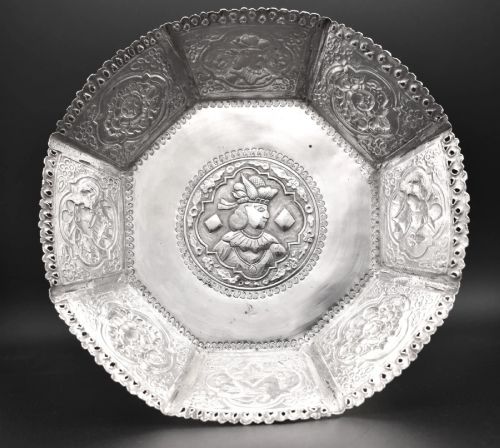


Solid Silver Decorative Bowl
A solid silver decorative bowl brings heavy metalwork and intricate global design straight to the table, offering substance and historical craft in equal measure.
Solid Silver Decorative Bowl
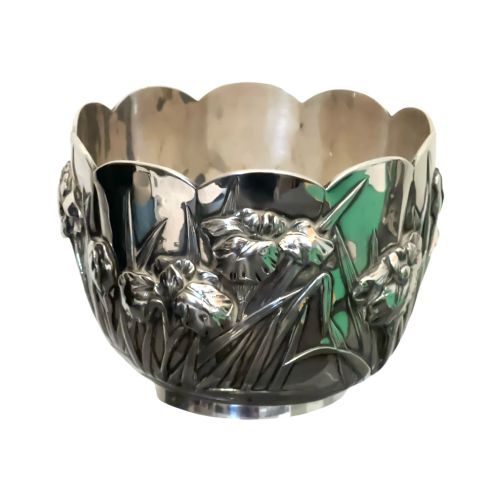
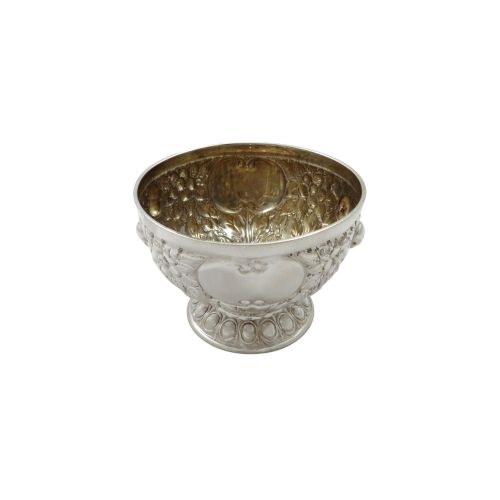
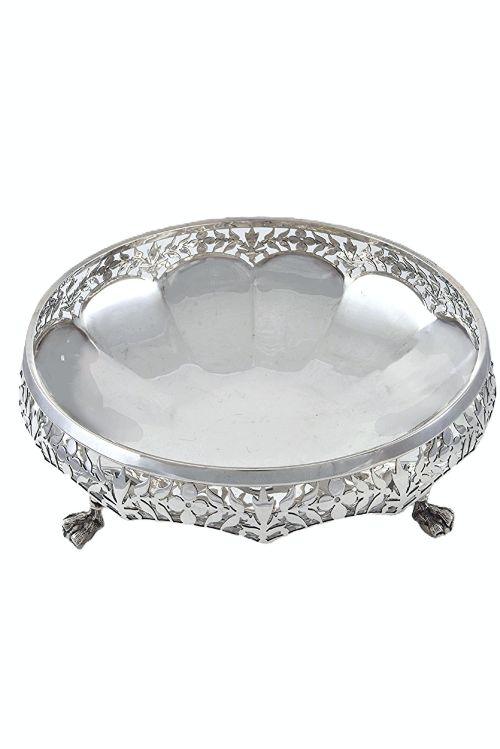
A solid silver decorative bowl encompasses substantial silver tableware designed primarily for display rather than utility, including heavy centrepieces, footed vessels, and tazzas. These items emerge from various distinct global design movements spanning the Victorian era through the early twentieth century.
Most pieces date from the nineteenth century up to the nineteen-twenties, reflecting domestic British output alongside notable Southeast Asian, Chinese, and Thai silversmithing traditions. Each item demonstrates the distinct aesthetic priorities of its origin, whether through chased figures, Viking longship motifs, or fluid Art Nouveau lines.
Materials and construction methods
Makers utilised sterling silver and solid silver across every piece, often working with heavy gauges of metal to achieve substantial weights suited for grand centrepieces and footed bowls. This solid metal foundation allowed silversmiths to execute deep structural forms without compromising the integrity of the vessel.
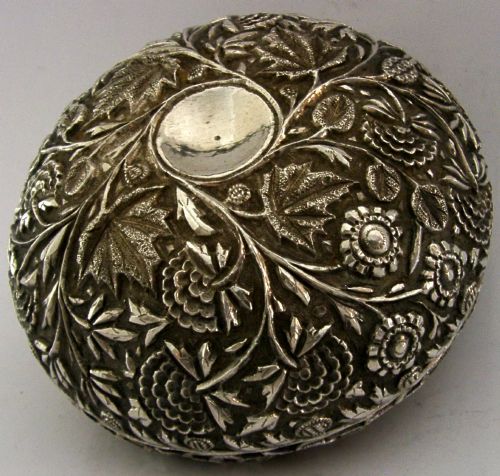
Surface ornamentation relied heavily on repoussé and hand-chased techniques, particularly within Anglo-Indian and Southeast Asian traditions where artisans hammered designs from the reverse to raise detailed figures and floral motifs. Other examples employed casting and intricate hand-crafting to produce specific regional silhouettes like longship dishes and epergnes.
Solid Silver Decorative Bowl Retail Price Guide 2026
Typical asking prices for solid silver decorative bowl among the pieces listed under this phrase on Sellingantiques today, from the lower quarter to the upper quarter. They describe what is for sale here now, not the wider market.
Listings feature solid silver pieces spanning the Victorian era, nineteen-hundreds, and nineteen-twenties, incorporating both British hallmarks and Asian export silver.
Assessing craftsmanship and execution
Quality rests primarily in the depth, crispness, and control of the hand-chased or repoussé decoration, where superior examples exhibit sharp relief and purposeful detailing rather than shallow or blurred stamping. The physical weight and gauge of the silver similarly distinguish robust centrepieces from lighter utility dishes.
The precision of assembly in multi-part items like footed bowls or epergnes demonstrates the maker's technical capability, alongside the preservation of maker marks and hallmarks that authenticate the origin and silver standard.
Tiffany and Co·Elkington and Co
The Solid Silver Decorative Bowl Glossary
- Repoussé
- A metalworking technique where the artisan hammers the silver from the reverse side to form raised decorative designs on the front. This method creates high-relief scenes and textured surfaces.
- Centrepiece
- A large, prominent decorative bowl or epergne placed at the middle of a dining table for visual impact. These vessels often feature substantial weight and elevated footed designs.
- Tazza
- An ornate footed plate or shallow bowl raised on a central pedestal, typically utilised for display. The form highlights intricate rim work and chased detailing.
- Sterling silver
- An alloy consisting of pure silver and a small proportion of other metals added for durability, standardly marked to denote its quality. British pieces frequently carry traditional assay office hallmarks.
- Epergne
- An elaborate tabletop centrepiece structure that often incorporates a central bowl supported by smaller hanging baskets or dishes. They showcase advanced silversmithing construction.
Solid Silver Decorative Bowl: Frequently Asked Questions
How do I distinguish regional styles like Anglo-Indian from Victorian silver?
Anglo-Indian and Southeast Asian pieces typically feature dense, continuous repoussé work depicting traditional local figures, foliage, and deities executed in high relief. They often lack standard British hallmarks, relying instead on the distinct weight and characteristic hand-chased execution of the region.
In contrast, British Victorian and George V pieces frequently adhere to classical revival motifs, Art Nouveau curves, or designated regional forms like Viking longship dishes. These domestic items usually carry full assay office hallmarks indicating the exact year of manufacture and maker.
What is the difference between a bowl and an epergne?
A standard decorative bowl is a single self-contained vessel designed for tabletop display or holding items, whereas an epergne is a complex multi-tiered centrepiece structure. Epergnes often combine a main central bowl with branching arms or additional suspended dishes.
This architectural arrangement allowed Victorian hosts to create elaborate floral displays across multiple levels of silverwork. Both forms utilise solid silver and share similar decorative repoussé or cast techniques.
How should I care for a solid silver decorative bowl?
Regular dusting with a soft, dry cloth prevents the accumulation of particulate matter that can attract moisture and accelerate tarnishing on chased surfaces. When cleaning becomes necessary, use a specialised silver cream applied gently with minimal friction to preserve the fine details of repoussé work.
Avoid abrasive cloths or chemical dips that can strip the natural darkening in recessed areas, which makers utilised to define intricate background patterns. Store the bowl in a dry environment away from direct sunlight and rubber-based materials.