




Gilt Bronze Tazza
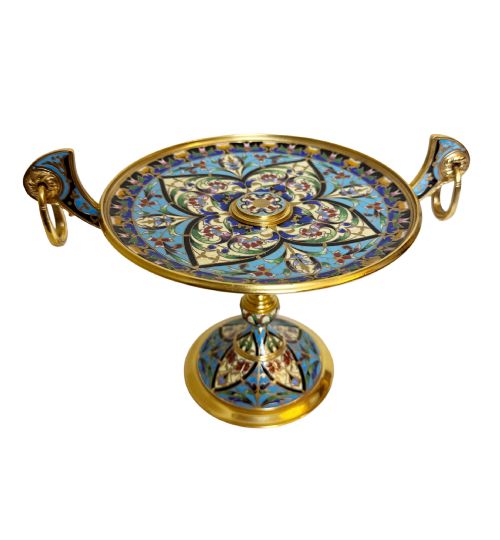
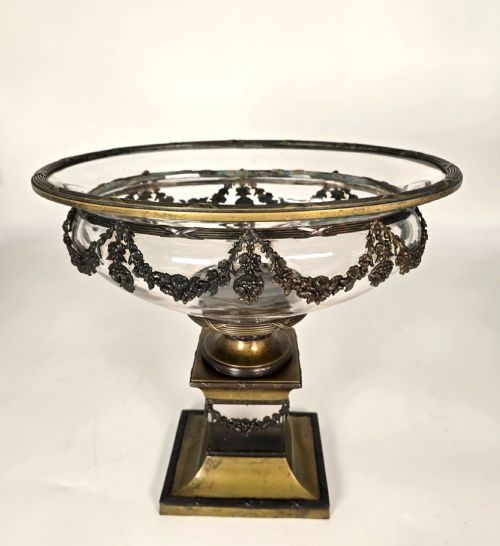
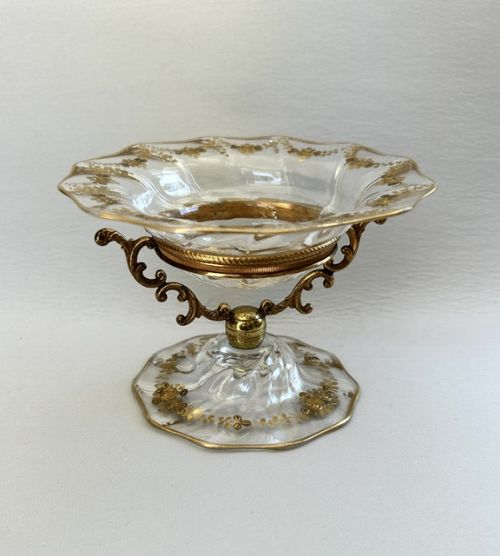
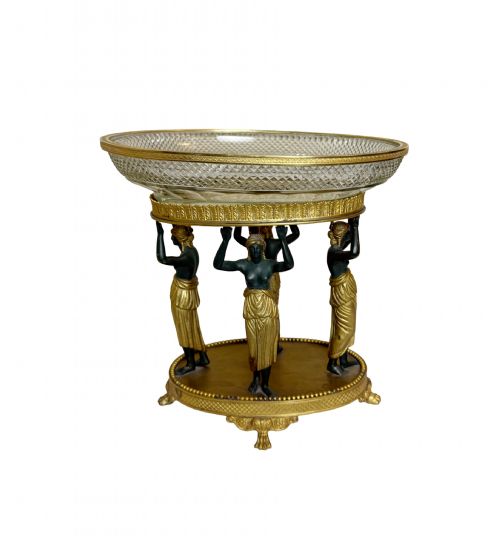
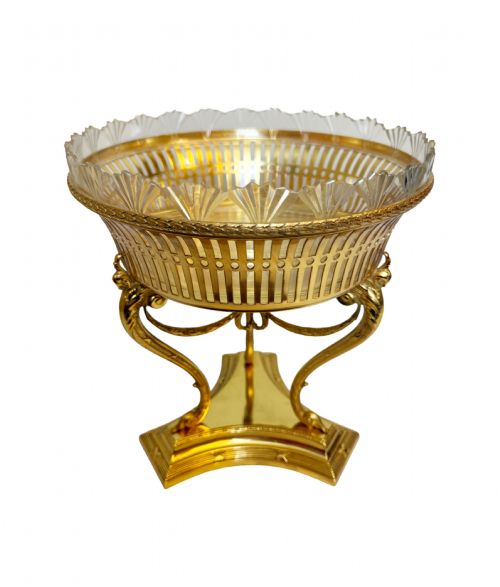
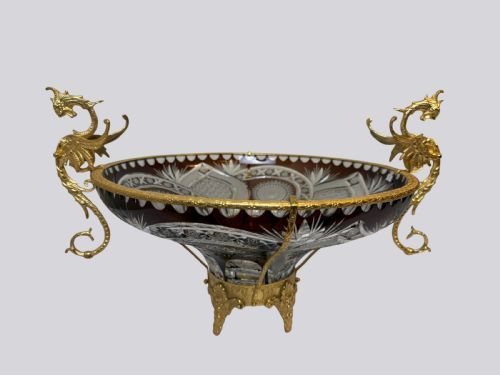
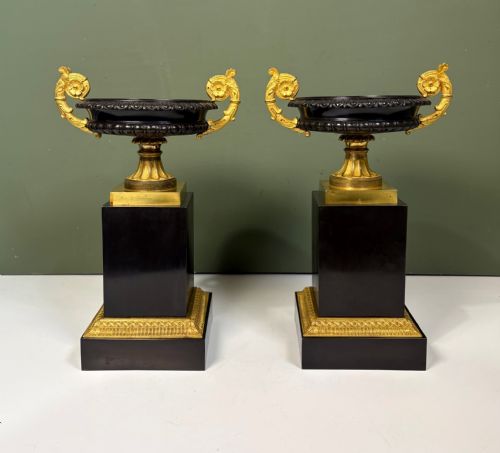
These gilt bronze tazza pieces are low-footed display vessels combining metalwork and stone, offering a distinct nineteenth-century decorative presence for a room.
What a gilt bronze tazza is
A gilt bronze tazza takes the form of an ornamental pedestal bowl, standing on a raised base to display fruit, flowers or simply the richness of its own materials. When you search for a gilt bronze tazza, you find formal decorative objects designed to command attention on a table or mantelpiece.
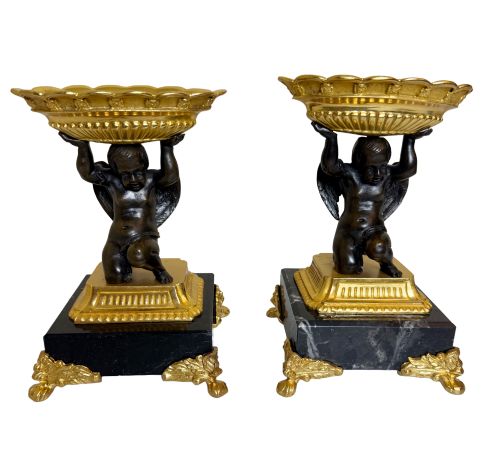
The pieces on this page span the nineteenth century, including Regency examples alongside later Victorian and French designs. You will encounter single pedestal bowls as well as matched pairs, often incorporating classical motifs or structural supports.
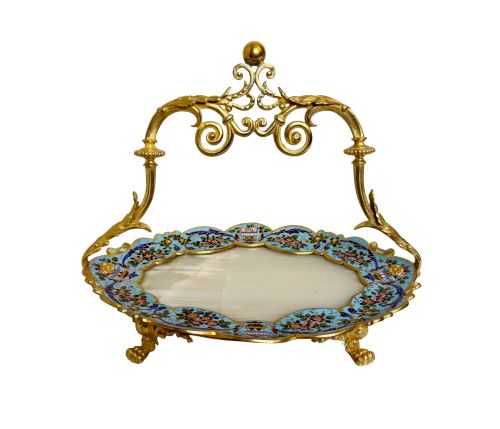
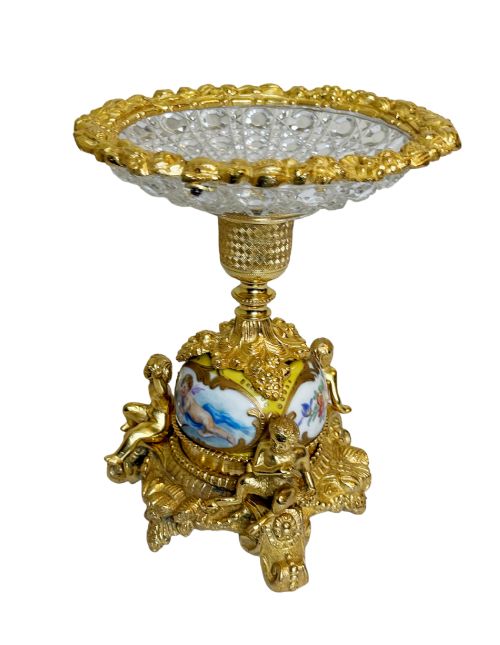
Beyond the standard tazza form, the selection includes centrepieces and decorative objects that share the same elevated basin structure. These variants show how nineteenth-century makers adapted the classical pedestal shape for diverse display purposes.
Materials and construction
Makers constructed these vessels using bronze, gilt bronze, ormolu and gilt metal as the primary metallic elements, often applying mercury gilding to achieve a deep golden lustre. This metalwork provides the structural frame and decorative mounts that support the central basin.
The bowls and bases frequently incorporate contrasting natural materials such as green onyx, Sienna marble, Egyptian alabaster and agate cabochons. Champlevé enamel detailing adds vibrant colour to the metallic surfaces, creating a rich interplay of texture and tone.
Retail Price Guide 2026
Typical UK retail prices for gilt bronze tazza, calculated from the Sellingantiques database of over a million retail prices indexed since 2003. This retail price guide relies exclusively on Sellingantiques data; no external sources or auction records are used, so the figures do not describe the wider market.
Listings feature items from the nineteenth century, incorporating periods such as Regency and the 1850s through to the 1890s, alongside styles like French Empire and Victorian Gothic Revival.
Distinctions in quality
The division between standard production and exceptional work rests on the crispness of the casting and the integration of diverse materials. Superior examples demonstrate meticulous hand-chasing on the bronze and precise fitting where stone bowls meet metal mounts.
The Gilt Bronze Tazza Glossary
- Tazza
- A shallow bowl set upon a pedestal foot, used historically for display or serving. The form derives from ancient vessels and enjoyed a major revival during the nineteenth century.
- Ormolu
- Finely ground high-carat gold applied to a bronze base using a mercury amalgamation technique. This historic process yields a warm, durable metallic finish distinct from modern electroplating.
- Champlevé
- An enamelling technique where troughs are dug into the metal surface and filled with vitreous paste before firing. This creates colourful decorative patterns flush with the surrounding metal.
- Cabochon
- A gemstone or hardstone shaped and polished with a smooth, convex surface rather than faceted. These stones are frequently set directly into the metal mounts of decorative objects.
Frequently Asked Questions
What is a gilt bronze tazza used for?
These pieces served primarily as decorative centrepieces on dining tables, sideboards or mantelpieces during the nineteenth century. They were designed to hold fruit, flowers or simply to showcase the artistry of the metalwork and stone.
Today, they function as sculptural interior objects that add period character and textural contrast to a room without requiring a specific domestic function.
How do I identify a Regency tazza?
Regency pieces typically date from the early nineteenth century and lean heavily on strict classical architecture and symmetry. They often combine dark patinated bronze with contrasting marble bases and restrained, disciplined ornamentation.
Later Victorian and French pieces from the 1850s onward tend to embrace more exuberant styles like Rococo Revival or Aesthetic Movement, incorporating brighter gilding and complex enamel work.
Are these pieces usually found as pairs?
You will encounter both single pedestal bowls and matched pairs in this category. Pairs were originally manufactured to flank a clock or candelabra on a grand mantelpiece or to balance the ends of a long sideboard.
Individual tazzas are equally common, often surviving as solo decorative centrepieces that stood independently on a table or cabinet.
What materials are combined with the bronze?
Nineteenth-century makers frequently paired gilt bronze and ormolu with natural decorative stones including green onyx, Sienna marble, Egyptian alabaster and agate. Champlevé enamel is also common, adding multicoloured geometric or floral patterns to the metallic surfaces.
These varied combinations reflect the eclectic tastes of the Victorian era and the French decorative arts traditions of the period.