
Antique Footed Dish
These pieces known as an antique footed dish bring raised presence to a table, combining practical service with elevated display through centuries of craftsmanship.
Antique Footed Dish
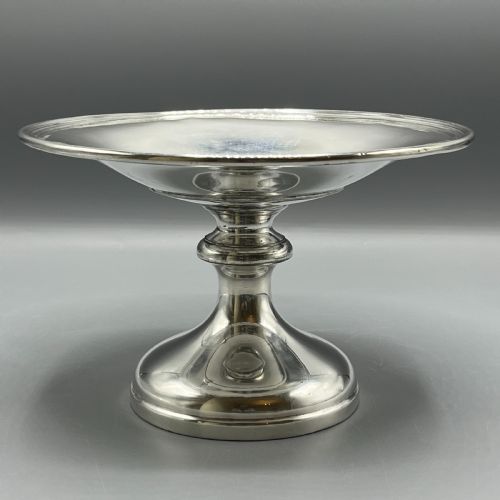
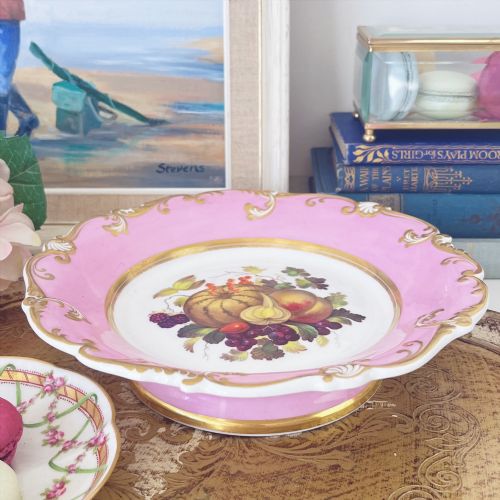
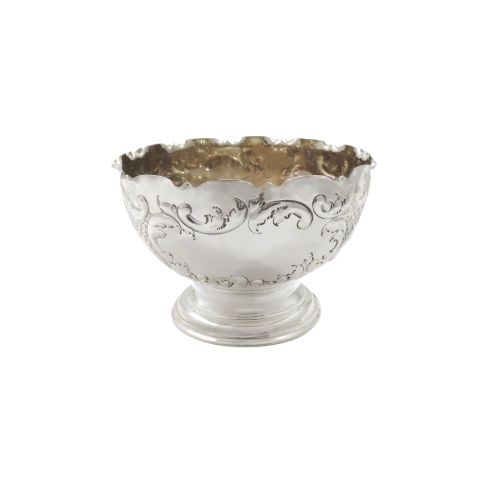
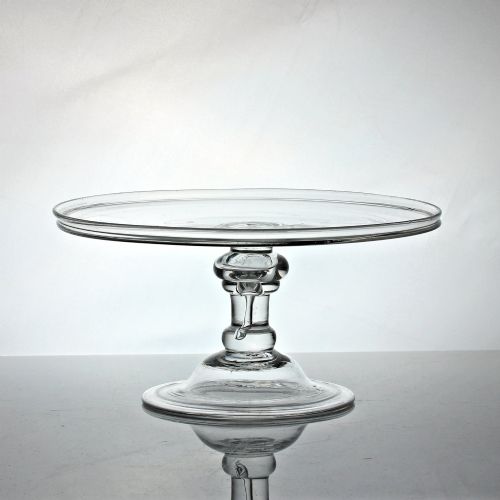
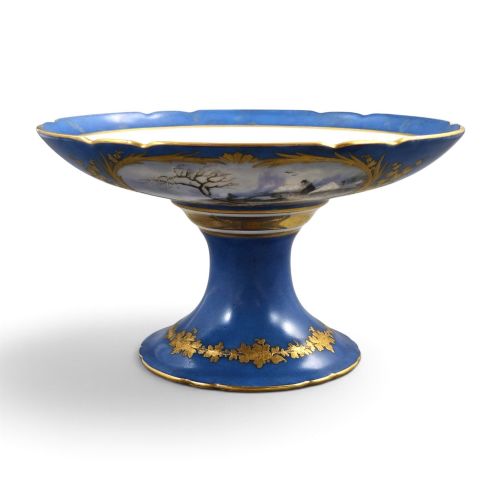
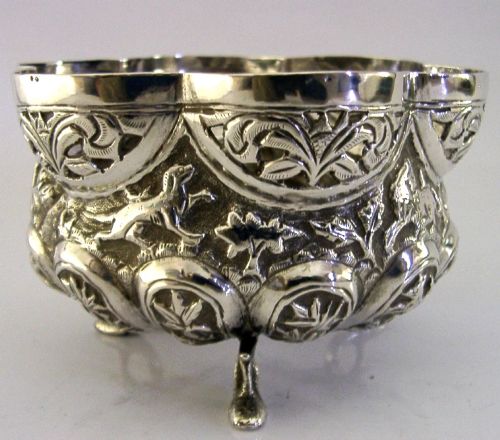
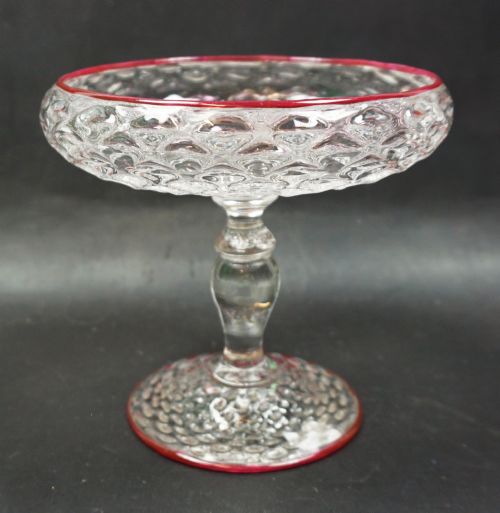
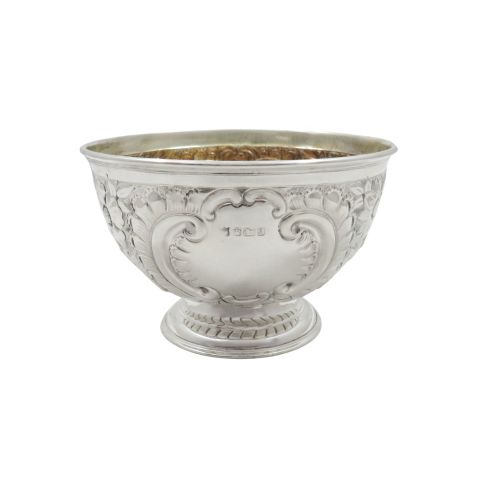
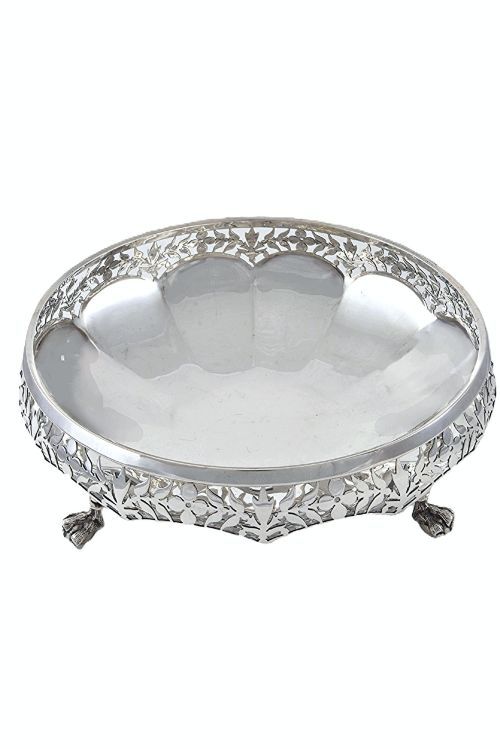
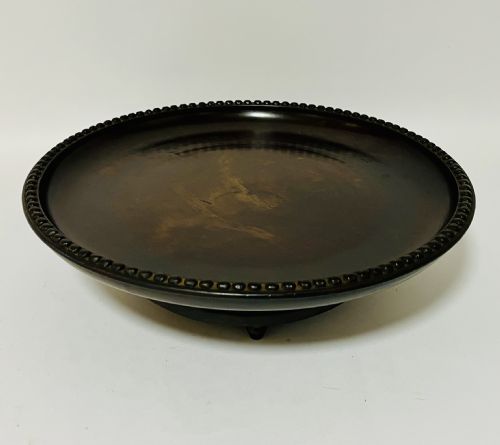
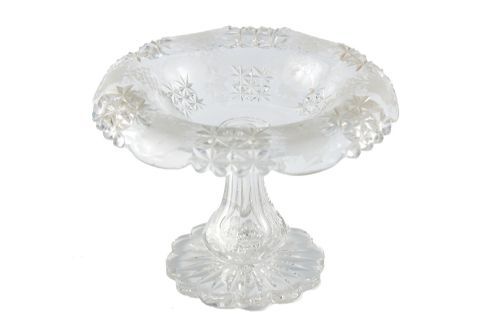
When you search for an antique footed dish, you encounter a varied group of raised vessels that span several centuries and numerous materials. These objects include tazzas, comports, centrepiece bowls, and salt cellars designed to elevate food or decoration above the surface of a table.
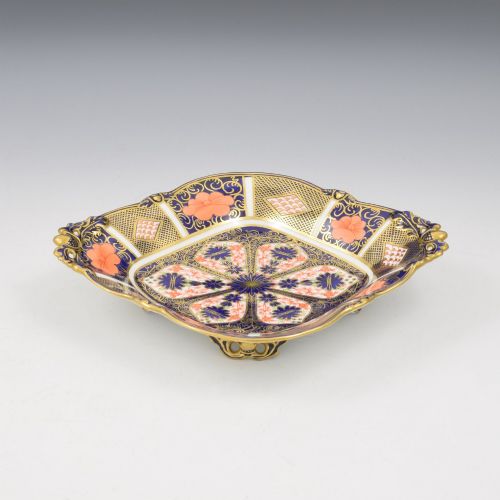
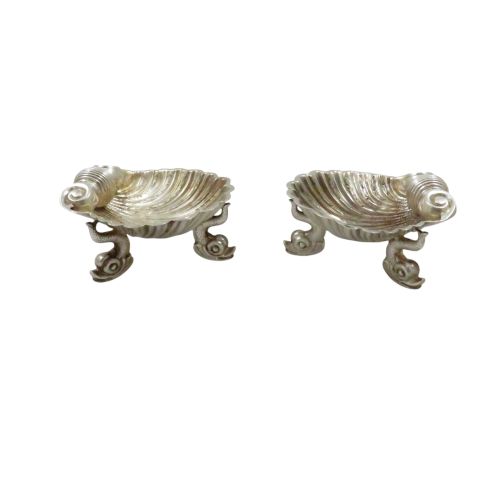
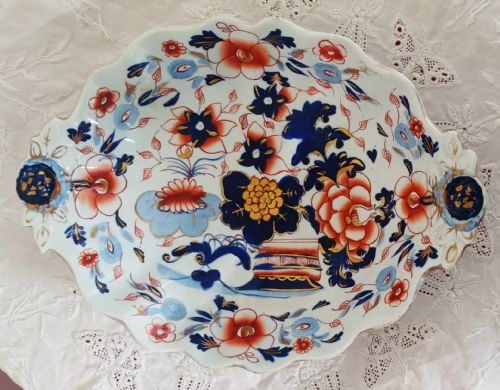
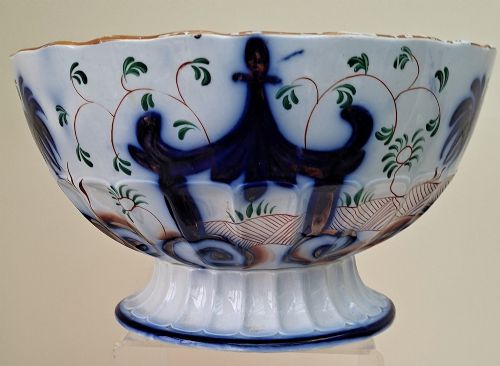
The versions most commonly met on this page date from the Georgian, Victorian, and Edwardian eras, fashioned in silver, porcelain, ironstone, and cut glass. Forms range from compact patch stands and salts with dolphin feet to large centrepiece bowls and tiered presentation pieces.
Originating across England, Ireland, continental Europe, and beyond, these items reflect the dining and display customs of their respective periods. Whether utilised for dessert service, fruit display, or ornamental centrepieces, each piece carries the distinct stylistic markers of its time.
How they were made
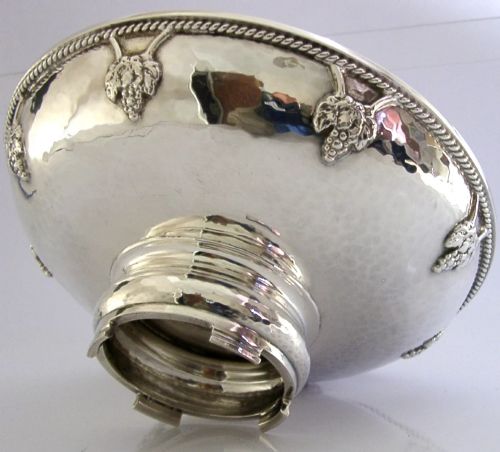
Makers utilised traditional manufacturing techniques suited to their chosen material, such as hand-painting porcelain, moulding lead crystal, and repoussé work on silver. Sterling silver and white metal items often display chased or pierced decoration, whilst ceramic pieces combine transfer printing with hand-finished enamel colours.
Glassware was frequently moulded, cut, or decorated with applied canes and gilding to catch the light on a dining table. Wooden and stone examples, including mahogany and Blue John, required specialist turning and polishing to reveal the natural grain and colour of the material.
What varies in quality
The calibre of an antique footed dish is determined by the crispness of its modelling, the skill of the hand-painting, and the weight of the metal utilised in its construction. Superior silver examples demonstrate precise repoussé work and substantial gram weight, whilst finer ceramics show meticulous brushwork and balanced potting.
Proportion and execution set the upper tier apart from everyday domestic wares, particularly in pieces featuring complex pierced baskets, faceted crystal, or detailed figural feet. The integrity of the form, whether a symmetrical tazza or a moulded shell comport, dictates the overall success of the piece.
H and R Daniel·John Rogers and Son·Charles Boyton·William Garrard
The Antique Footed Dish Glossary
- Tazza
- A shallow bowl or plate mounted on a stem and foot, traditionally used for serving fruit or small dishes.
- Comport
- A decorative stand or dish raised on a foot, commonly utilised for dessert service during the Georgian and Victorian periods.
- Repoussé
- A metalworking technique where the artisan hammers the design from the reverse side to create a raised relief pattern on the front.
- Lead Crystal
- A heavy, brilliant glass containing lead oxide, known for its clarity and suitability for deep cutting and moulding.
Antique Footed Dish: Frequently Asked Questions
What were footed dishes used for?
These elevated vessels served specific functions in historic dining, particularly for presenting fruits, sweetmeats, and desserts at the conclusion of a meal. Smaller versions functioned as salt cellars or patch stands.
Larger forms occupied the centre of the table as decorative centrepieces, displaying the host's taste and wealth through fine materials and craftsmanship.
How do I style an antique footed dish today?
An antique footed dish works well as a focal point on a dining table, sideboard, or coffee table without needing additional items. Their height adds visual interest and dimension to flat surfaces.
Use them to hold seasonal fruit, small decorative objects, or simply display them empty to appreciate the form and craftsmanship of the piece.
How can I tell the difference between periods?
Stylistic cues offer the clearest indication of date, moving from the restrained elegance of Georgian design through the ornate elaboration of the Victorian era. Material composition, weight, and manufacturing marks also help determine the period.
Georgian pieces often display classical proportions and simpler cut glass, whilst Victorian items frequently embrace heavier silver weights and eclectic revival styles.
Are silver footed dishes marked?
British silver pieces generally feature hallmarks that indicate the assay office, the year of manufacture, and the standard of the metal. These stamps provide a reliable guide to the origin of the item.
Unmarked pieces or those in white metal often point to continental or Anglo-Indian origin, where different regulatory traditions applied during the period of production.