
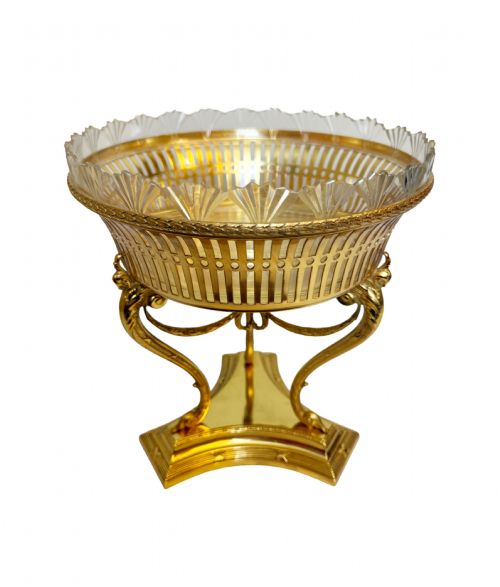


Gold Table Centrepiece
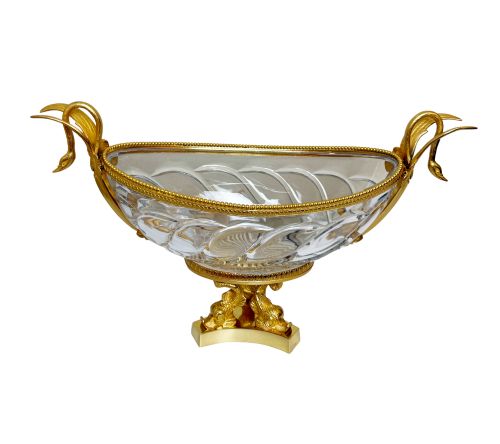
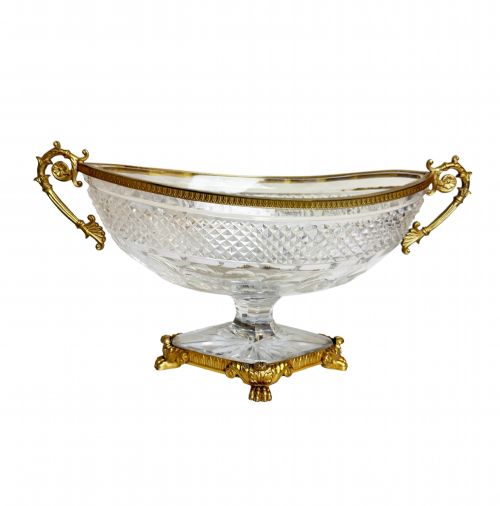
A gold table centrepiece brings a commanding focal point to a dining table through bright gilding and glass.
Gold Table Centrepiece
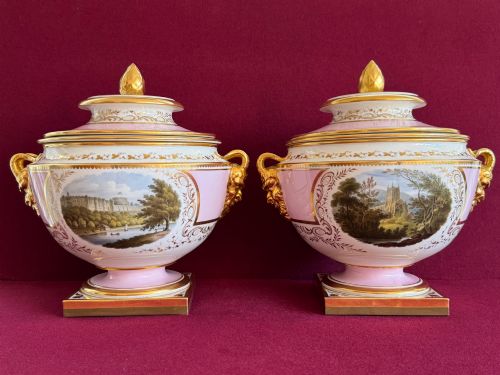
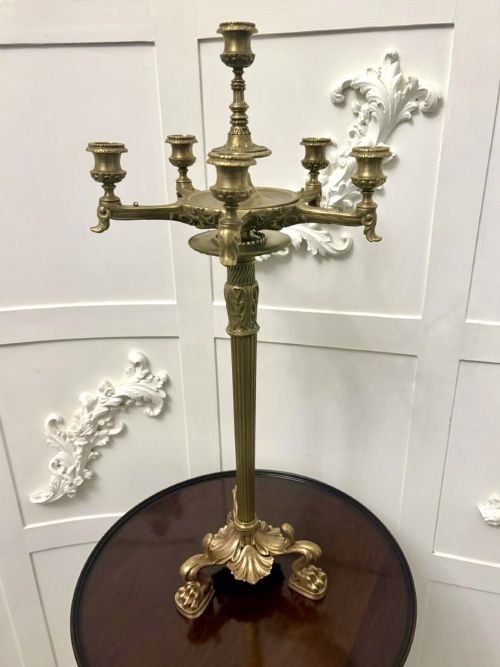
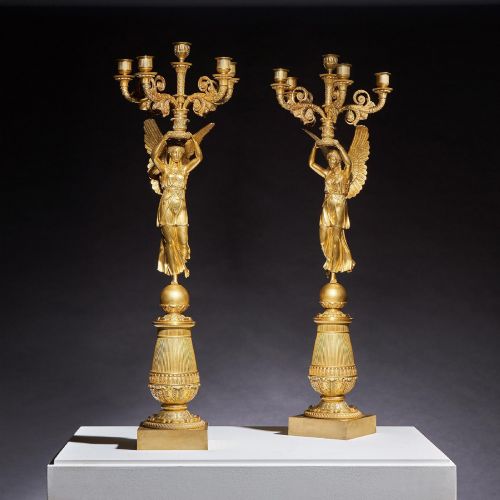
A gold table centrepiece serves as a decorative centrepiece or tazza for a dining table, often paired with matching candelabra or bowls. These items emerge from the nineteenth century, including Victorian and Regency eras, spanning styles from French Empire and Rococo Revival to Art Nouveau and Art Deco.
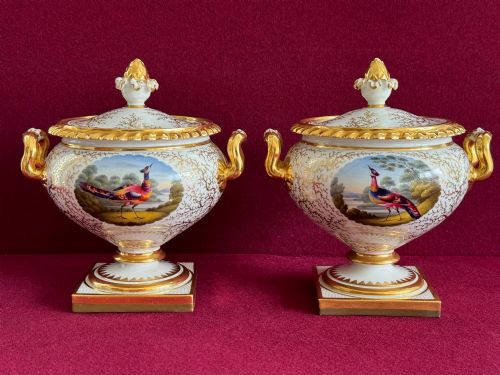
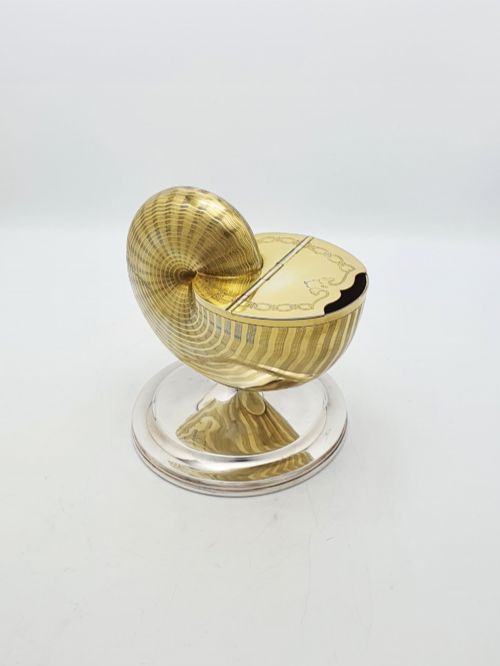
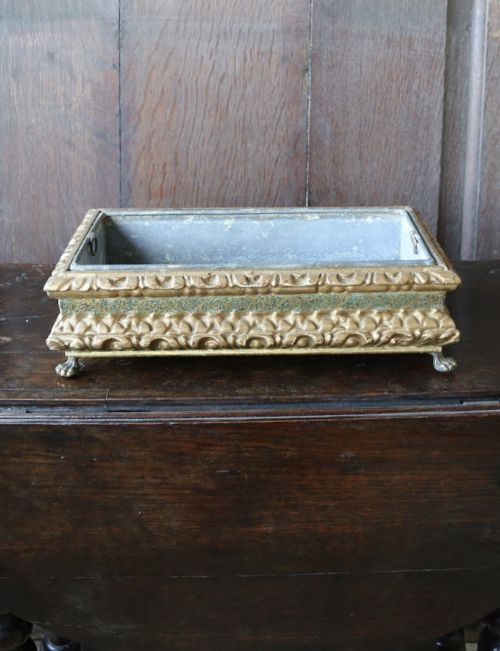
The selections here feature heavy metal frames combined with glass inserts, porcelain vessels, and enamel decoration. Pieces range from large gilt bronze epergnes and jardiniere bowls to smaller decorative boxes and spoon warmers.
How they were made
Metalwork relies on bronze, brass, and cast ormolu, often enhanced with gold leaf and gilding to create a bright metallic sheen. These metal mounts are cast, chased, and fitted with glass, crystal, or porcelain elements.
Glass components include cut crystal and blown glass vessels, sometimes decorated with gold enamel or delicate engraving. Porcelain inserts and decorative plaques come from factories like Royal Worcester, Coalport, and Samson, or feature Limoges enamel.
Materials across these listings include gilt bronze, brass, ormolu, porcelain, crystal, and enamel.
What varies in quality
Quality rests in the crispness of the bronze casting and the depth of the ormolu or gilding. Finer examples display sharp, detailed chasing on figural elements such as cherubs and mermen, whereas simpler pieces show softer contours.
The integrity of the central vessel matters greatly. Heavy, well-cut crystal bowls and undamaged porcelain or enamel inserts indicate a higher grade of production than standard moulded glass.
Pierre Philippe Thomire·St Louis glassworks·Royal Worcester·Coalport·Christofle Paris·Samson
The Gold Table Centrepiece Glossary
- Ormolu
- A gilded bronze application popular in French decorative arts. It provides a bright golden finish to metal mounts.
- Tazza
- A shallow ornamental bowl raised on a stem and foot. It typically sits in the middle of a table.
- Epergne
- A large ornamental centrepiece featuring multiple branching dishes or holders. It is used for holding fruit or flowers.
- Jardiniere
- An ornamental pot or receptacle designed to hold plants or floral displays. These often feature metal stands with glass inserts.
- Spoon warmer
- A decorative vessel used historically on dining tables to hold hot water for dipping silver spoons. They appear in ceramic and metal forms.
Gold Table Centrepiece: Frequently Asked Questions
What is a gold table centrepiece used for?
These items sit in the middle of a dining table or sideboard to anchor a room's decorative scheme.
Historically, they held fruit, sweetmeats, or floral arrangements during formal meals.
How do I clean gilt bronze and ormolu?
Dust surfaces gently with a soft, dry cloth to protect the delicate gold layer.
Avoid abrasive cleaners or chemical polishes which can strip away the original gilding entirely.
Are glass inserts original to the metal frames?
Many pieces combine metal frames with fitted glass or crystal bowls.
Matching the proportions and period characteristics helps determine whether the components belong together.
How do I date a nineteenth-century centrepiece?
Examine the casting quality, the style of the metalwork, and any maker marks or stamps.
Stylistic cues such as Neoclassical motifs or Art Nouveau floral enamel provide clear chronological markers.