


Brass Glass Bowl
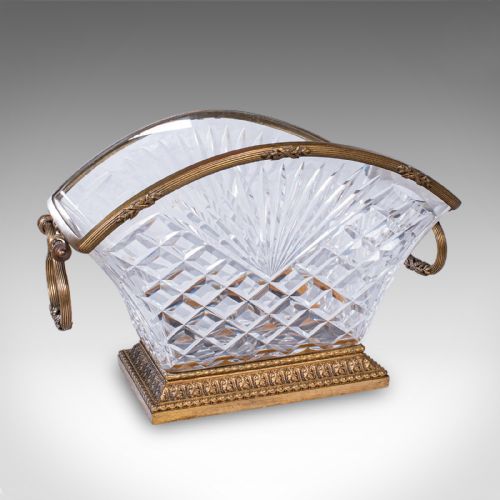
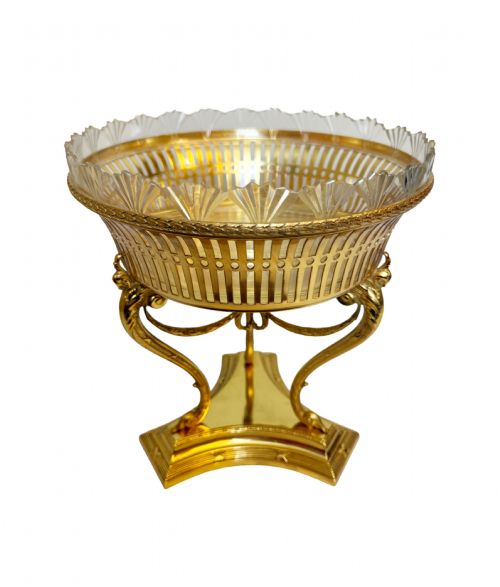
A brass glass bowl brings together heavy metalwork and clear or coloured glass, offering a sturdy yet luminous centrepiece for a table or ceiling.
Brass Glass Bowl
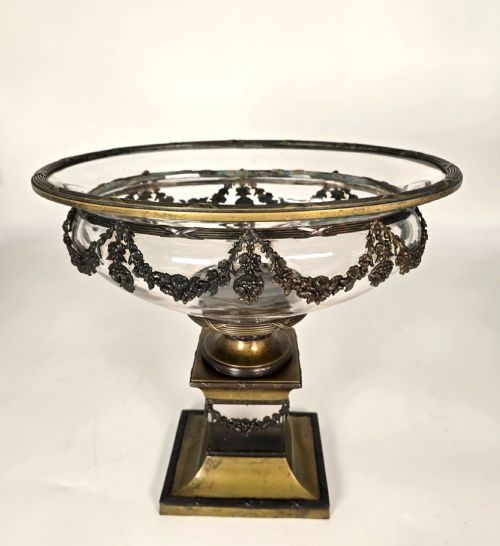
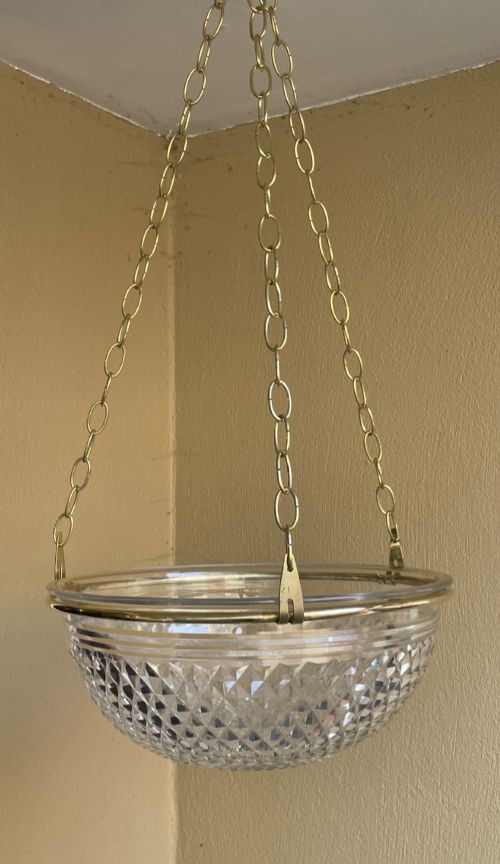
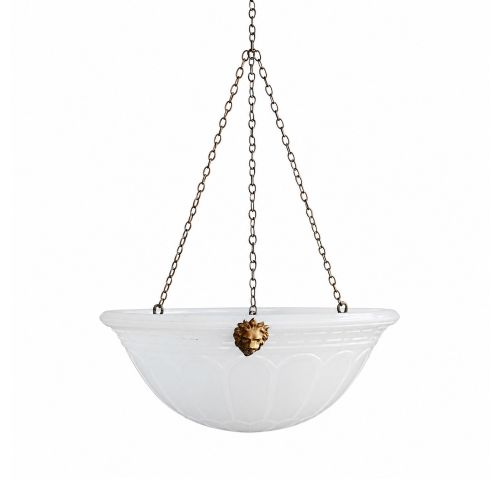
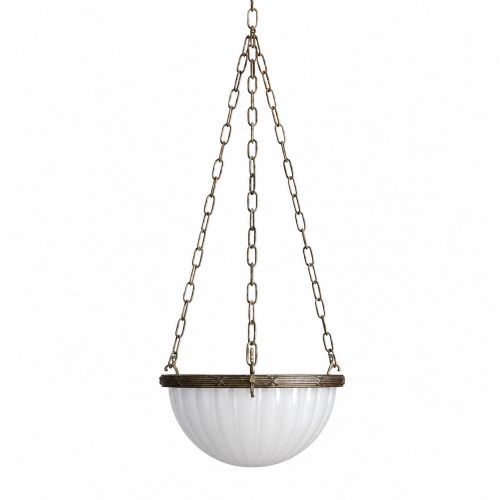
When you search for brass glass bowl, you encounter a varied selection of items designed for domestic utility and display, ranging from heavy table centrepieces to hanging ceiling light fixtures known as plafonniers. These objects cross several decades and movements, including the Victorian, Edwardian, and Art Deco periods, each bringing distinct forms to the table.
The most frequent variations on this page include ceiling pendants, hanging bowl lights, and decorative tabletop vessels that combine metal mountings with glass inserts. You find examples spanning the nineteenth and twentieth centuries, produced in workshops across England, France, and Bohemia.
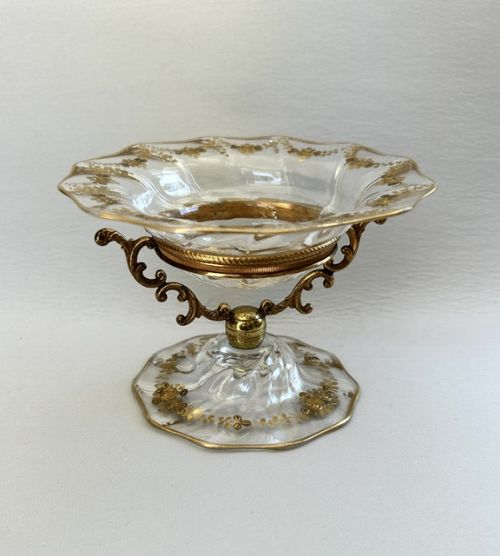
Tabletop versions take the form of fruit bowls, wine coolers, and ice servers, whilst suspended iterations serve as interior illumination. The combination of cast brass, gilt bronze, or ormolu with cut, frosted, or opalescent glass remains the defining characteristic across all listed forms.
What varies in quality
The quality of these items rests in the crispness of the metal casting and the depth of the glasswork, where sharper chiselling on the brass and greater clarity or richer colour in the glass distinguish finer pieces. Heavier gauge metalwork and thicker, hand-finished glass indicate superior workshop production.
Design ambition and harmony between the two materials also separate standard production from exceptional work. Pieces where the brass mounts complement the specific weight and tone of the glass insert demonstrate a higher level of initial design.
Listings feature items from the Victorian, Edwardian, and Art Deco eras, alongside pieces dated to the nineteenth and early twentieth centuries.
The Brass Glass Bowl Glossary
- Plafonnier
- A ceiling-mounted bowl light or pendant shade that sits close to the ceiling. These fixtures direct light downwards through frosted, cut, or painted glass.
- Ormolu
- Gilded bronze used for decorative mounts and stands. This technique involves applying a gold amalgam to bronze before heating.
- Opalescent glass
- Glass that exhibits a milky, translucent appearance with shimmering colour shifts. It gained popularity during the Art Deco and early twentieth-century periods.
- Monteith
- An antique bowl featuring a scalloped rim, traditionally used for chilling wine glasses. Early examples appear in brass and silver.
- Secessionist
- A design style from the early twentieth century that favoured clean lines and geometric forms over traditional ornamentation.
Brass Glass Bowl: Frequently Asked Questions
How do I hang a brass glass bowl light?
Suspended ceiling bowls require secure attachment to ceiling joists using appropriate hooks that can bear the combined weight of the metal frame and glass shade.
Electrical suspension kits connect through the central mounting, and professional installation ensures the weight distributes evenly across the chains or rods.
What periods do these bowls come from?
The pieces listed span the Victorian, Edwardian, and Art Deco eras, alongside broader nineteenth-century and early twentieth-century dates.
Victorian and Edwardian pieces often feature ornate floral or cut glass details, whilst 1920s and 1930s examples lean towards geometric patterns and opalescent finishes.
Can I use a tabletop bowl for food?
Many decorative bowls and servers function practically for serving fruit, ice, or dry items depending on the interior glass surface.
Vintage and antique glass benefits from hand washing with mild soap to preserve any painted decoration, gilding, or delicate surface textures.
How do I clean tarnished brass mounts?
Brass components require gentle cleaning with a soft cloth to remove dust and surface grime without disturbing the surrounding glass.
Harsh chemical polishes should be avoided, particularly near antique glass inserts or gilded surfaces, to prevent accidental damage to the surrounding material.