

Antique Glass Coupes
Antique glass coupes bring tactile weight and historical charm to modern gatherings, serving champagne, desserts, or small arrangements with low-profile elegance.
Antique Glass Coupes
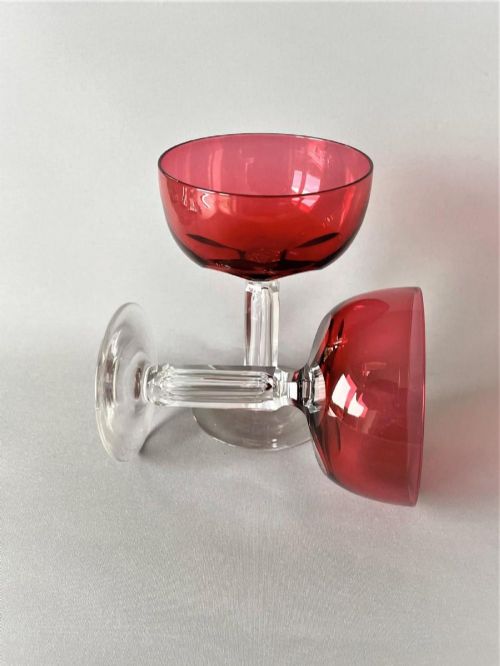
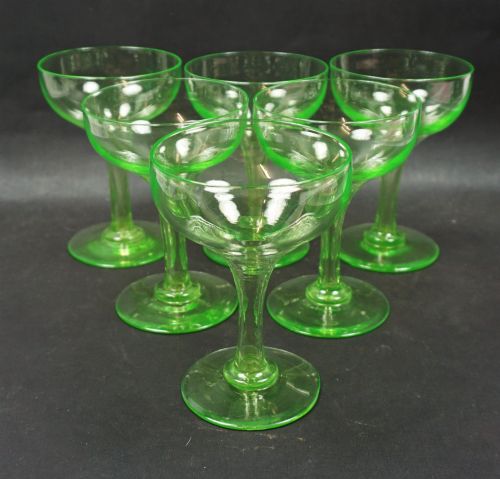
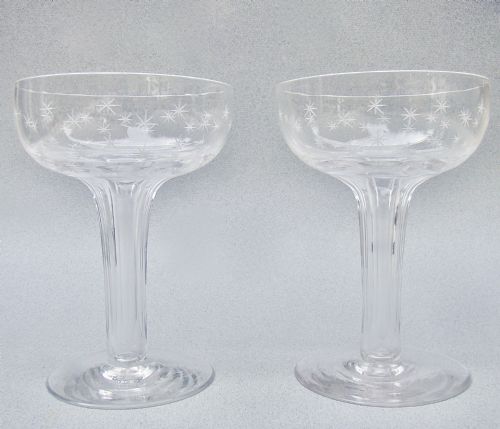
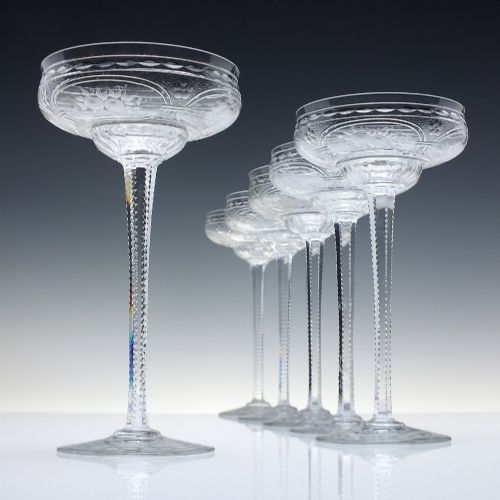
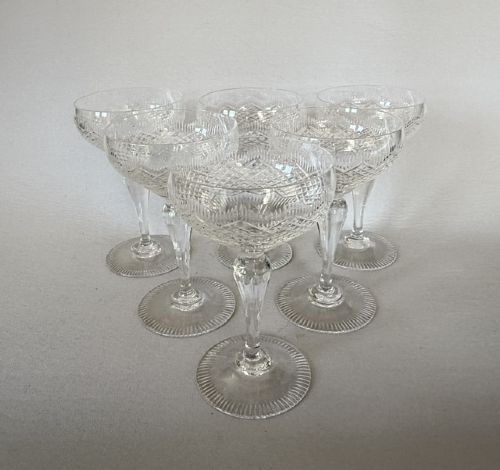
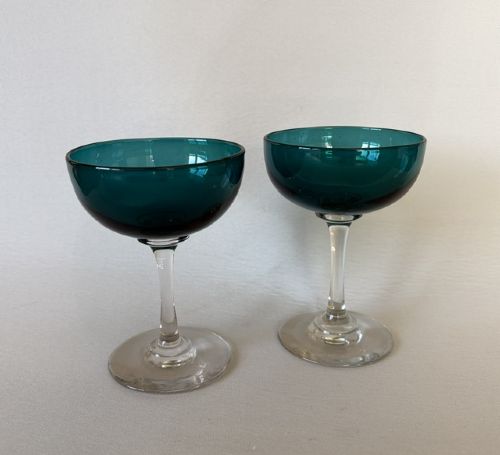
When you search for antique glass coupes, you encounter wide, shallow bowls designed for champagne, desserts, and centrepiece displays. These pieces span the Georgian, Victorian, Edwardian, and Art Deco periods, ranging from plain lead crystal to deeply coloured and overlay glass.
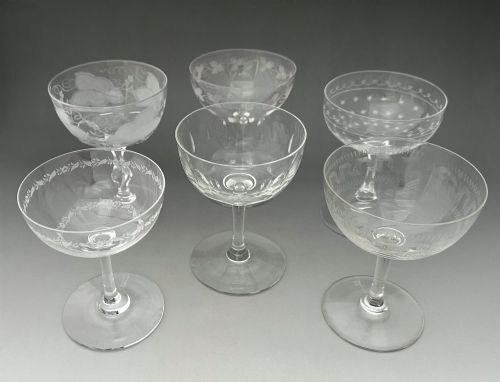
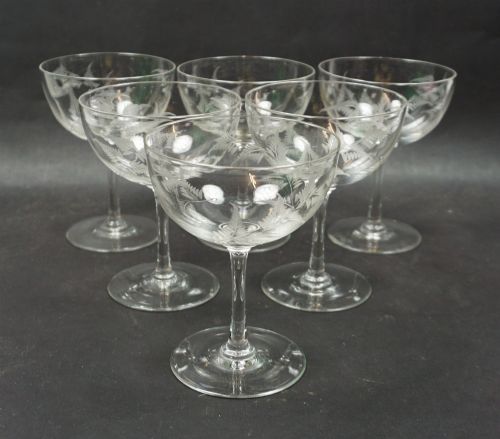
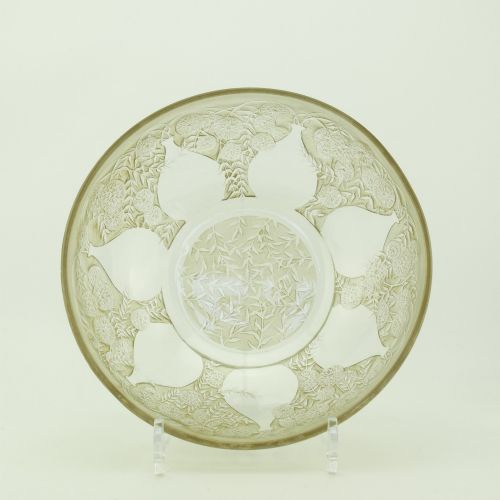
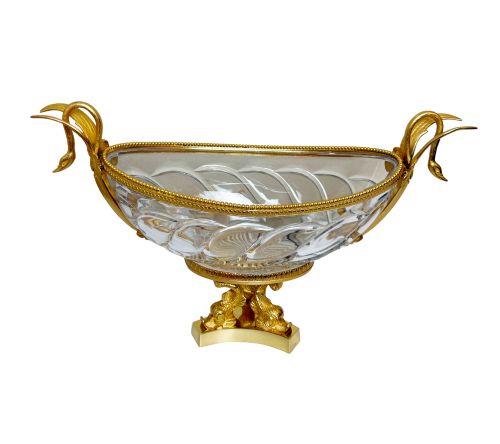
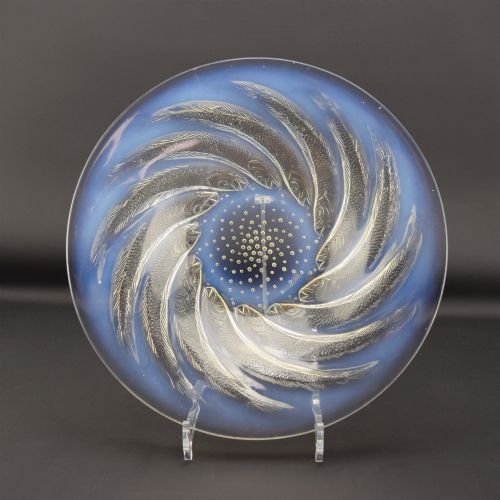
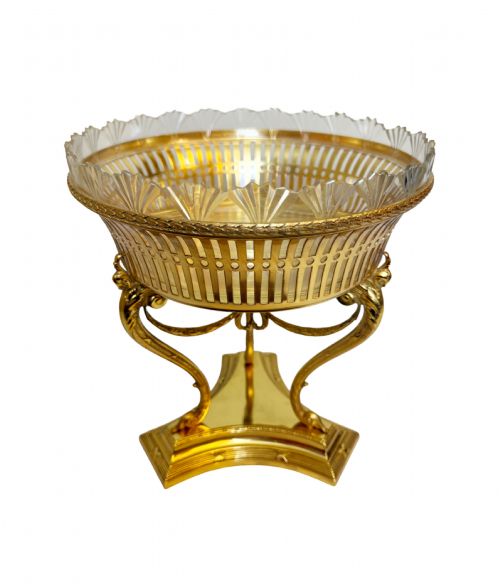
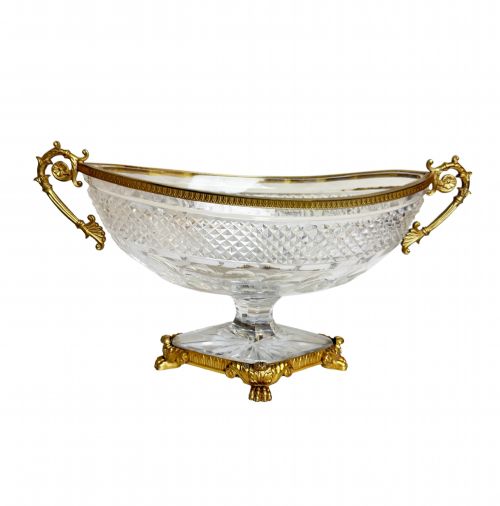
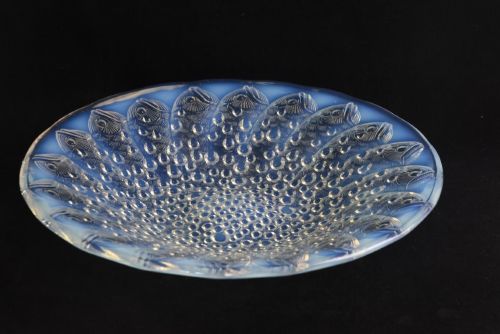
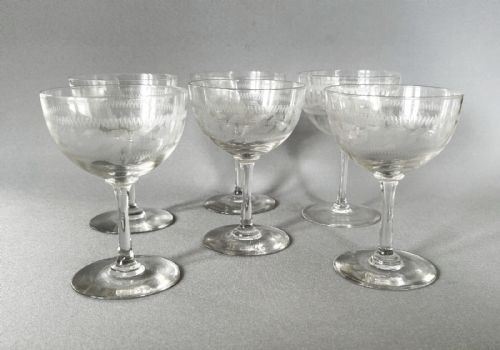
You are most likely to meet Victorian cut glass bowls and Edwardian sets featuring etched or engraved patterns on short stems. French production from the nineteenth and early twentieth centuries also heavily populates the selection, particularly moulded opalescent bowls and heavy bronze-mounted centrepieces.
Forms cross over between dedicated champagne glassware, sweetmeat glasses, and larger decorative bowls or comports. Matching sets of six or pairs appear alongside individual large bowls, showing how table service evolved across different decades.
Materials and production methods
Makers shaped these items using clear glass, heavy lead crystal, and coloured or opalescent glass often layered as overlay. Artisans then employed wheel-cutting, star-etching, and surface engraving to cut through coloured outer layers and reveal the clear crystal beneath.
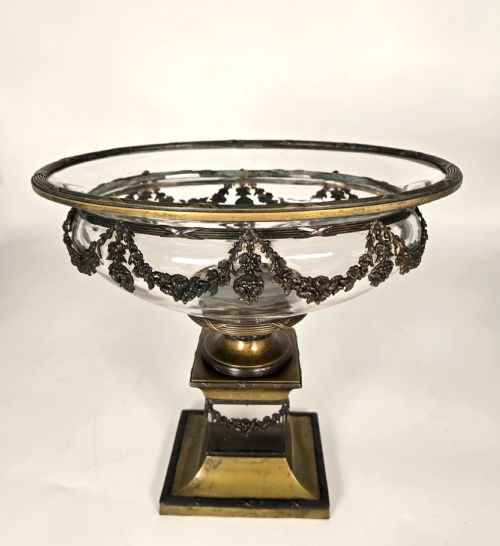
Metal components play a major structural role in larger vessels, combining glass inserts with gilt bronze, ormolu, and sterling silver mounts. Opalescent and moulded pieces utilise specialised cooling and pressing techniques developed by major twentieth-century French glassworks.
Stem construction varies from hollow stems and facet-cut shafts to opaque twists on eighteenth-century forms and moulded floral feet on Art Deco designs. Each technique dictates the weight, ring, and optical clarity of the finished vessel.
Antique Glass Coupes Retail Price Guide 2026
Typical asking prices for glass coupes among the pieces listed under this phrase on Sellingantiques today, from the lower quarter to the upper quarter. They describe what is for sale here now, not the wider market.
Materials range from simple clear glass and heavy lead crystal to coloured overlay, opalescent glass, gilt bronze, and hallmarked sterling silver.
Measures of quality
Quality rests on the crispness of the cutting, the depth of the wheel engraving, and the purity of the metal content in the crystal. Superior pieces display sharp, clean facets and finely detailed motifs without surface ripples or cloudiness in the material.
The integration between glass bowls and their metal mounts dictates the standard of larger decorative centrepieces and comport stands. Solid gilt bronze fitments and well-fitted sterling silver liners indicate higher workshop standards than simpler plated alternatives.
Consistency across a set separates standard production from finer cabinet pieces, particularly in hand-blown stems and hand-etched borders where slight variations reveal individual artisan handling.
Rene Lalique·Fritz Heckert·Viners
The Antique Glass Coupes Glossary
- Coupe
- A broad, shallow-bowled glass originally designed for champagne or desserts. Its wide rim allows the bubbles to dissipate quickly.
- Overlay glass
- A vessel comprising two or more distinct layers of glass, usually a coloured outer casing fused over a clear crystal core. Artisans cut through the outer layer to create contrasting patterns.
- Opalescent glass
- A type of glass that displays milky, translucent blue or white highlights when viewed in reflected light. It gained immense popularity during the Art Deco period.
- Ormolu
- Gilded bronze furniture or vessel mounts produced by applying a mercury and gold amalgam to bronze. It provides a rich, warm metallic contrast to clear or coloured crystal.
- Sweetmeat glass
- A small, deep-bowled vessel on a pedestal foot used for serving confectioneries, nuts, or preserved fruits during the eighteenth and nineteenth centuries.
Antique Glass Coupes: Frequently Asked Questions
Were antique coupes only used for champagne?
While many sources label them as champagne glasses or bowls, historical usage was far broader. They frequently served sweetmeats, desserts, and iced puddings at formal dining tables.
In larger sizes, these vessels functioned as decorative centrepieces, comport bowls, or garden party tableware rather than individual drinking vessels.
How do I distinguish Victorian from Art Deco coupes?
Victorian examples rely heavily on deep hand-cutting, star-etching, floral engravings, and heavy lead crystal or cranberry and amber overlay materials. Their stems are frequently faceted or feature traditional knops.
Art Deco pieces, by contrast, embrace moulded opalescent glass, stylised floral motifs, figural supports, and smoother silhouettes produced by continental French workshops.
Can I safely use antique glass coupes today?
Most antique glassware can handle careful table use if treated with appropriate respect. Hand washing in lukewarm water is essential, as modern dishwashers will damage fragile rims and cloud old crystal.
Avoid thermal shock by not exposing cold glass to boiling liquids or rapid temperature shifts during service.
What is overlay glass?
Overlay glass consists of a clear or contrasting inner glass body encased in one or more layers of coloured glass. Craftsmen then wheel-cut or engrave through the outer coloured layer.
This technique creates striking two-tone patterns, such as red or green motifs standing out against a clear crystal background.