


Reticulated Gilt Bowl
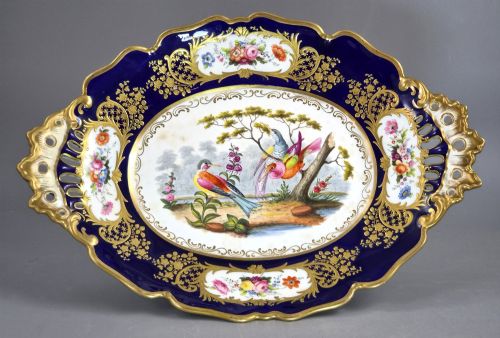
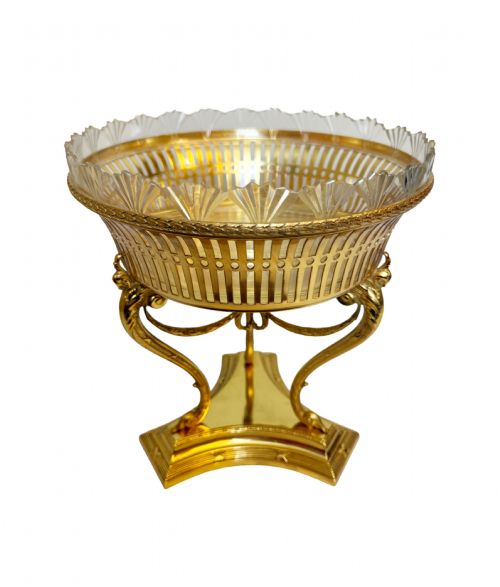
A reticulated gilt bowl brings pierced ceramic or bronze work together with brilliant metal leaf, offering a striking centrepiece for a dining table or console.
Reticulated Gilt Bowl
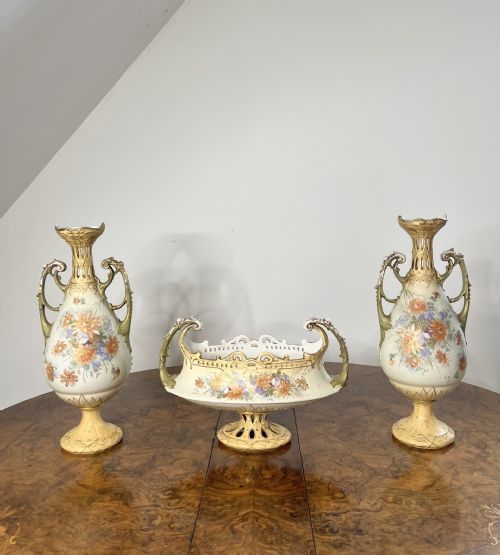
A reticulated gilt bowl combines openwork lattice structures with rich metal gilding to create decorative vessels designed for display. These objects appear in forms such as centrepieces, sweetmeat dishes, jardiniere vessels, and baskets originating from various European and Chinese export traditions. The items on this page span the eighteenth, nineteenth, and early twentieth centuries, encompassing periods from the Georgian era through to Edwardian times.
Makers in these listings work across distinct stylistic movements including Rococo Revival, Neoclassical, French Empire, and Victorian aesthetics. Forms range from figurative porcelain sweet baskets adorned with cherubs and applied roses to heavy French gilt bronze centrepieces fitted with glass inserts. Buyers are most likely to encounter nineteenth-century porcelain baskets and centrepieces featuring pierced latticework alongside traditional gilding.
What varies in quality
Quality in a reticulated gilt bowl rests upon the crispness of the openwork piercing and the finesse of the modelling in elements like applied flowers and figures. Pieces produced by established factories exhibit sharper detail in the lattice borders and more delicate hand-painting on the porcelain surfaces.
The weight and chasing of the bronze mounts or the purity of the glaze also separate finer examples from standard production work. Superior items maintain intact gilding without rubbing, preserving the brilliance of the metal highlights across the pierced decoration.
Object forms on this page include sweetmeat dishes, jardiniere vessels, and garniture sets alongside standard decorative bowls.
Coalport·Meissen·Royal Vienna·C.G. Schierholz and Sohn·Royal Worcester
The Reticulated Gilt Bowl Glossary
- Reticulated
- Pierced or patterned to resemble a net or lattice. This openwork technique creates decorative open spaces within porcelain or ceramic bowls.
- Gilt
- Covered thinly with gold leaf or gold paint. This finish adds bright metallic highlights to porcelain rims and bronze mounts.
- Centrepiece
- A large decorative bowl or dish placed in the middle of a table. These vessels often feature elaborate figural supports or basket weaves.
- Putti
- Representations of plump, naked young boys, often winged, found in classical art. These figures frequently adorn nineteenth-century porcelain baskets and centrepieces.
- Sweetmeat
- A small confection or sweet delicacy served during formal meals. Dishes designed for these treats typically feature compartmentalised or shallow basket forms.
Reticulated Gilt Bowl: Frequently Asked Questions
What is a reticulated gilt bowl used for?
These vessels functioned primarily as decorative centrepieces, fruit bowls, or sweetmeat dishes on formal dining tables and sideboards. Their openwork lattice and gilded finishes made them ideal for displaying sweetmeats or simply catching the light in a formal room.
Today, they serve well as standalone decorative objects on side tables, mantels, or open shelving. Their intricate construction means they remain best suited for visual display rather than heavy daily utility.
How do I identify a nineteenth-century piece?
Nineteenth-century examples often display the exuberant curves of the Rococo Revival style, alongside heavy gilding and applied porcelain flowers. Makers during this period frequently utilised hard-paste porcelain and intricate piercing techniques inspired by earlier eighteenth-century models.
Examining the underside for factory marks, paste consistency, and the style of the gilding helps narrow down the production era. Nineteenth-century pieces generally show firmer handling of moulded figures and more vibrant cobalt blue or enamel accents.
How should I care for gilded porcelain?
Dust gilded porcelain gently with a soft, dry brush to prevent accumulation in the pierced lattice sections. Avoid harsh cleaning agents or abrasive cloths that can wear away the delicate gold leaf and enamel details over time.
Keep these bowls away from direct, harsh sunlight and areas of high moisture to protect the glaze and metal surfaces. Handle them carefully by the base rather than the fragile reticulated rims or applied figures.
What distinguishes Meissen style from original pieces?
Original pieces from historical factories often bear specific underglaze blue marks and show the distinct paste characteristics of their period of manufacture. Items described in the Meissen style are later interpretations or tributes produced by other European workshops following those earlier aesthetic traditions.
Both categories utilise similar decorative vocabularies, including applied floral garlands and hand-painted bird motifs. The distinction lies in the factory origin and the period of execution rather than the visual style alone.