




Vintage Glass Fruit Bowl
A vintage glass fruit bowl brings substance and sparkle to a dining table, combining heavy cut crystal or delicate opalescent vessels with period mounts.
Vintage Glass Fruit Bowl
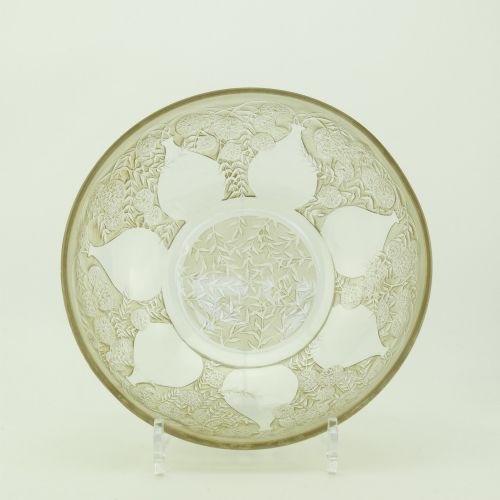
When searching for a vintage glass fruit bowl, buyers encounter a diverse array of vessels designed to hold fruit or serve as dramatic table centrepieces. These objects range from heavy Victorian and Edwardian cut glass dishes to sophisticated Art Deco pieces created by major European makers.
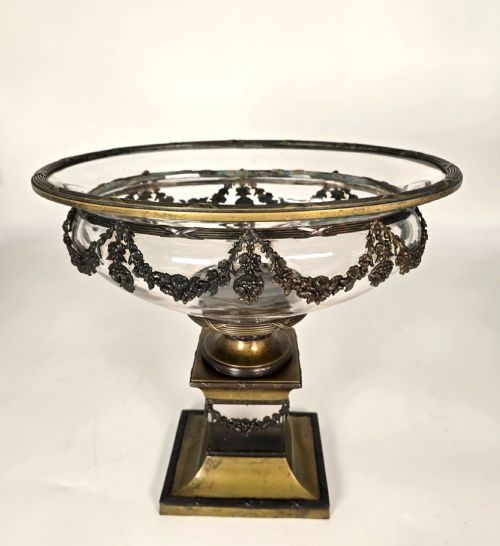
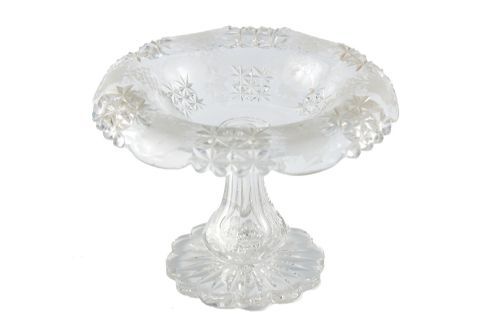
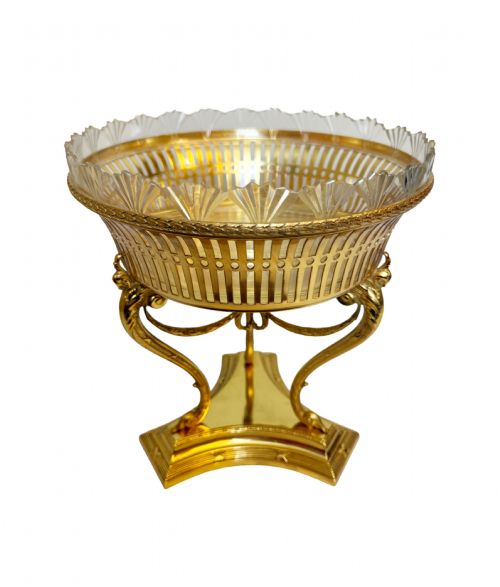
The most common examples on this page date from the nineteenth century through the 1930s. They appear as standalone glass bowls, pedestal comports, and vessels set into gilt bronze, ormolu, and silver plate frames.
Origins vary widely across Britain and continental Europe. Pieces arrive from France, Belgium, Germany, Italy, and Bohemia, reflecting distinct regional tastes in glassmaking and metalwork during the Victorian, Art Nouveau, and Art Deco periods.
How they were made
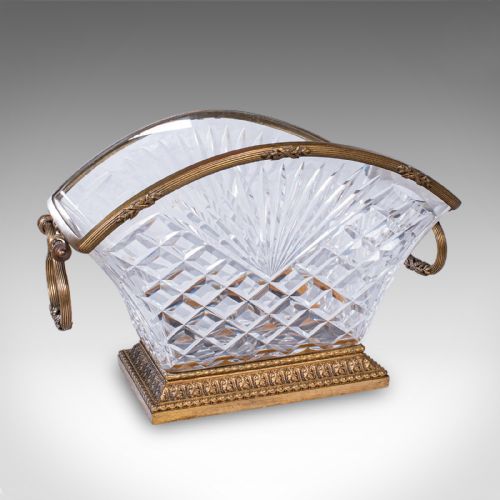
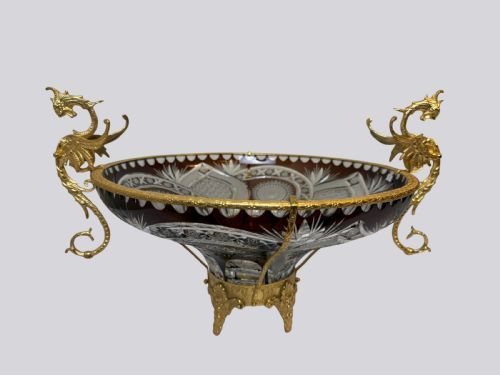
Many bowls rely on hand-blown and hand-cut crystal, utilising deep wheel-cutting techniques to create geometric hobnail patterns and sharp facets that catch the light. Skilled artisans shaped coloured, flashed, or opalescent glass while hot, incorporating trails, cane decoration, or enamel painting.
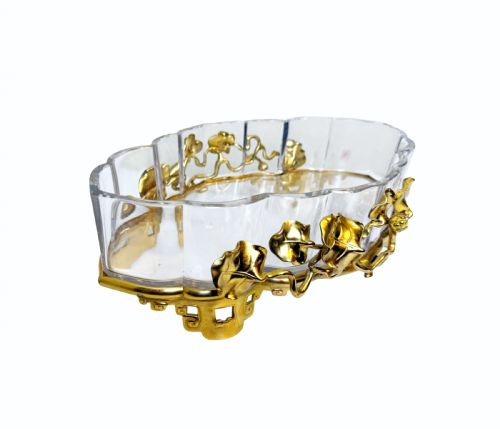
Mounts and frames required separate metallurgical skill. Foundries cast gilt bronze, ormolu, and silver plate to cradle the glass inserts securely, often employing neoclassical or botanical motifs that matched the prevailing style of the era.
Vintage Glass Fruit Bowl Retail Price Guide 2026
Typical asking prices for vintage glass fruit bowl among the pieces listed under this phrase on Sellingantiques today, from the lower quarter to the upper quarter. They describe what is for sale here now, not the wider market.
Some Italian glass fruit lamps double as illumination, featuring unusual alabaster campana urn bases that surely confused guests searching for dessert.
What varies in quality
The distinction between standard production and top-tier examples lies in the crispness of the glass cutting and the weight of the metal mounts. Superior pieces display deep, sharp facets and heavy lead crystal that rings clearly, whereas lesser items show softer edges and lighter glass.
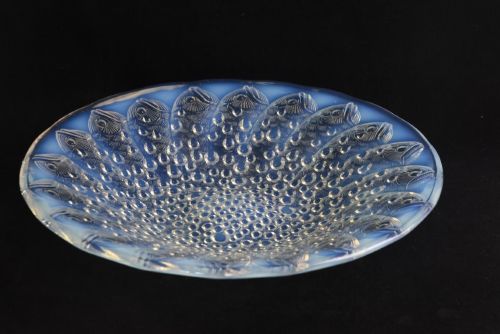
Design attribution also elevates a piece significantly. Bowls bearing signatures or distinct factory marks from renowned makers like Rene Lalique, Loetz, or Val St. Lambert demonstrate superior artistic conception and execution compared to unmarked commercial wares.
Rene Lalique·Graystan·Val St Lambert·St Louis glassworks·Loetz·Etling
The Vintage Glass Fruit Bowl Glossary
- Cut glass
- Glass decorated by holding it against a rotating abrasive wheel to carve patterns into the surface. This technique produces deep facets and brilliant light refraction, frequently seen on Victorian and Edwardian pieces.
- Opalescent glass
- A translucent glass that displays milky, milky-blue, or fire-like colour variations when lit from different angles. It became a defining medium for Art Deco designers.
- Gilt bronze
- Bronze metal that has been coated with a thin layer of gold or gold-coloured alloy. It provides a durable, ornate frame for glass bowls in French Empire and Victorian pieces.
- Tazza
- A shallow ornamental bowl or cup mounted on a stem and foot. These elevated vessels often served as fruit bowls or centrepieces on nineteenth and early twentieth century tables.
- Millefiori
- A glasswork technique involving the production of patterned glass rods cut into cross-sections. These multi-coloured sections create intricate floral mosaics within the body of the bowl.
Vintage Glass Fruit Bowl: Frequently Asked Questions
What is the difference between a fruit bowl and a centrepiece?
A fruit bowl is typically a standalone glass or crystal vessel designed specifically to hold fruit on a dining table or sideboard. A centrepiece often combines the glass bowl with an elaborate metal frame, pedestal, or bronze mount.
Centrepieces were engineered as permanent decorative focal points for large dining tables, whereas standard bowls served both functional dining and decorative purposes.
How do I identify an Art Deco glass bowl?
Art Deco glass bowls usually date from the 1920s and 1930s, featuring characteristic geometric motifs, stylised flower heads, or opalescent finishes. Look for bold, symmetrical mouldings and heavy relief decoration.
Makers from this era often utilised frosted or coloured glass rather than traditional clear cut crystal, embracing modern industrial aesthetics.
Were metal mounts added later to these bowls?
Most quality mounts in gilt bronze, ormolu, or silver plate were fitted by the original manufacturer as an integrated part of the design. Makers designed the metal frames to cradle specific glass insert shapes securely.
In period pieces, the patination and wear on the metal match the age and handling marks found on the glass vessel itself.
How should I clean an antique glass bowl with a metal mount?
Clean the glass portion using warm water and a mild detergent, avoiding harsh abrasives that might scratch lead crystal or enamelled surfaces. Keep moisture away from any gilt bronze or silver plated mounts to preserve the original finish.
Dry the glass immediately with a lint-free cloth to maintain its sparkle and prevent water spots on older crystal.