


Vintage Table Centrepiece
A vintage table centrepiece anchors a dining room or sideboard, bringing together period materials and distinct decorative forms from the nineteenth and twentieth centuries.
Vintage Table Centrepiece
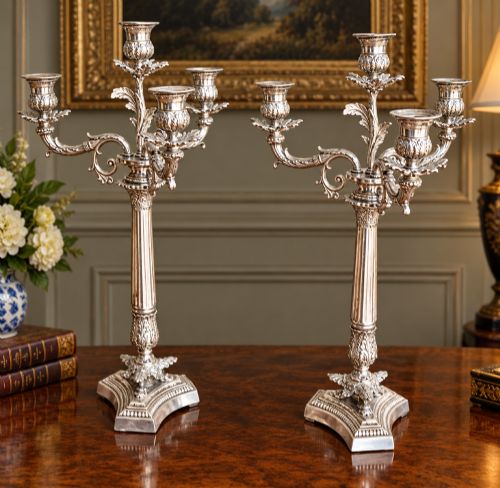
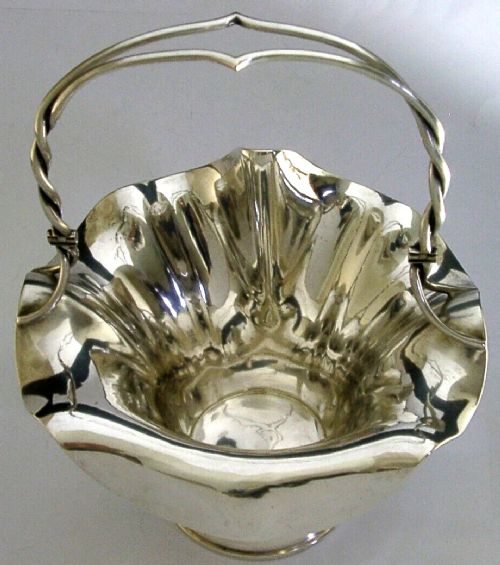
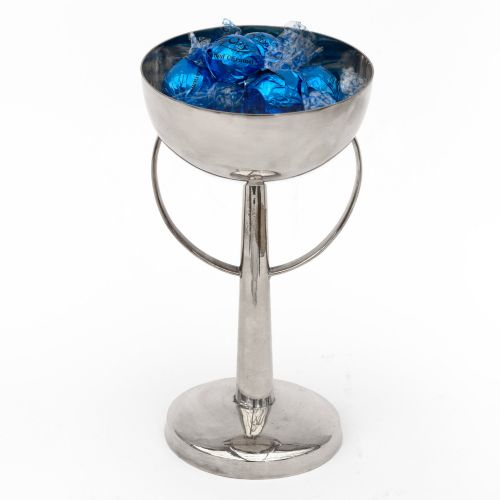
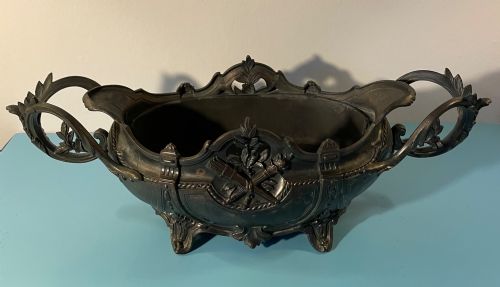
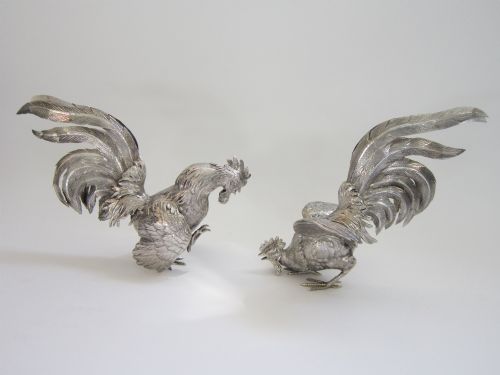
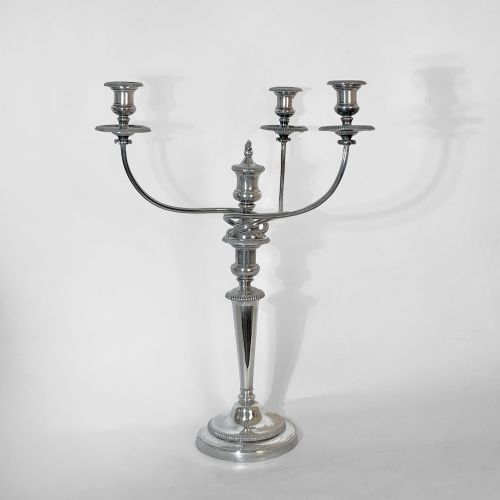
A vintage table centrepiece encompasses a diverse group of objects designed to command attention on a dining table or sideboard. The selection spans structural candelabra, decorative bowls, baskets for fruit or bread, planters, and specialised serving vessels.
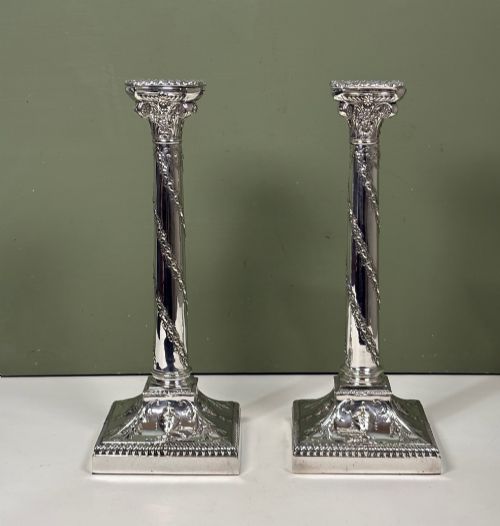
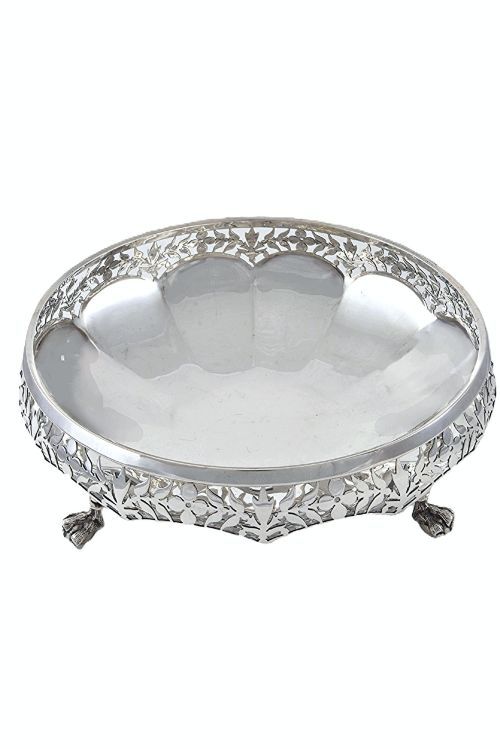
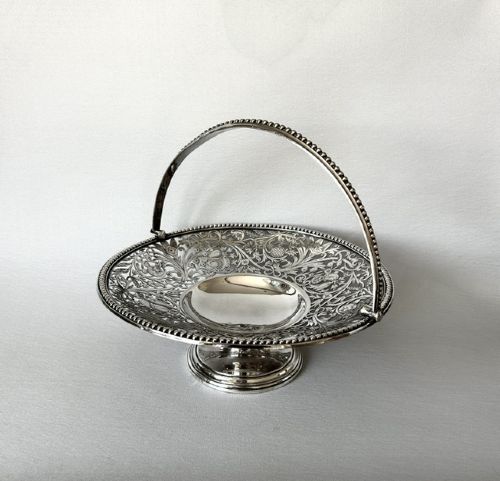
Most examples encountered date from the nineteenth and twentieth centuries, reflecting changing domestic fashions across the Victorian, Edwardian, Art Nouveau, and Art Deco periods. Buyers often encounter silver plated baskets with floral repoussé rims, multi-branch candelabra, and cut glass bowls mounted in metal frames.
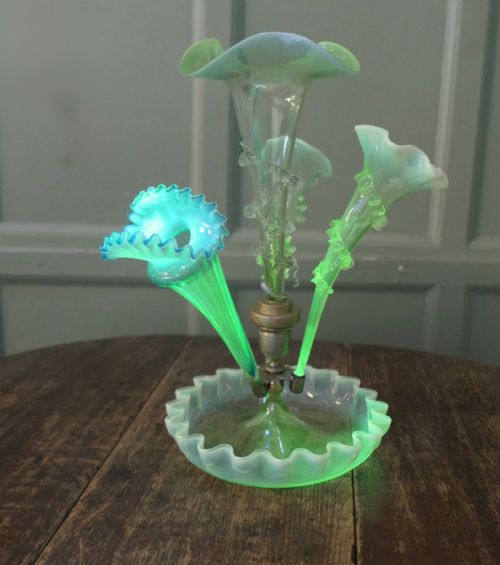
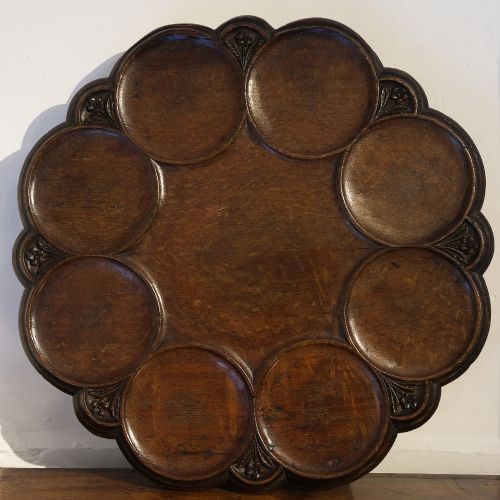
Forms range from simple carved oak fruit bowls and lazy Susans to elaborate gilt bronze frames with glass inserts and French uranium glass epergnes. Each type served a distinct ceremonial or utilitarian function in formal dining spaces.
How they were made
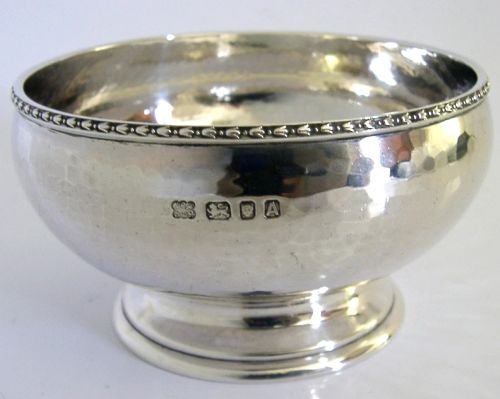
Metalwork dominates the construction of these items, utilising sterling silver, silver plate, EPNS, brass, copper, and gilt bronze, alongside Old Sheffield plate on copper cores. Artisans shaped these metals through casting, hammering, and planishing, visible in the textured surfaces of Arts and Crafts bowls.
Glass elements rely on traditional techniques such as hand blowing and deep cutting, producing heavy crystal and uranium glass inserts designed to fit securely into metal mounts. Wooden pieces, including oak fruit bowls and rotating lazy Susans, combine turned construction with hand-carved fruiting vine decoration.
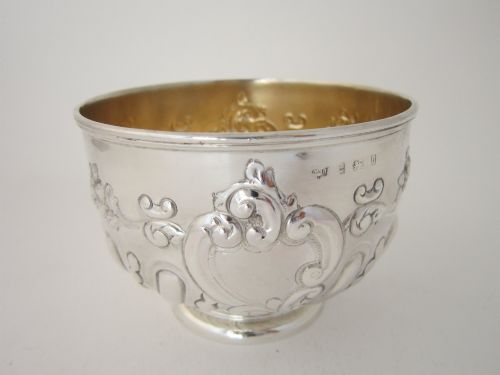
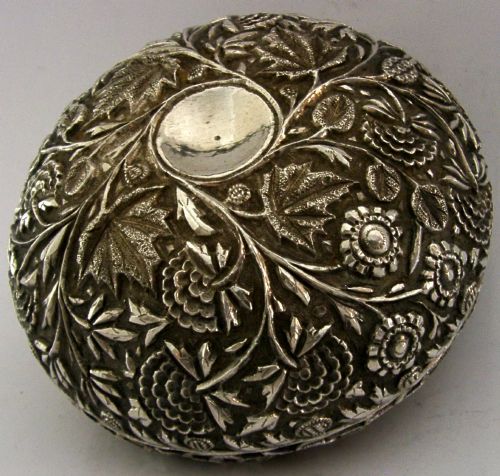
Decorative detailing on silver and plated wares often involves repoussé and chasing, pushing and punching the metal from reverse and front to create raised floral and scroll motifs. Rococo revival and Neoclassical styles draw upon cast ornamental mounts soldered or screwed to the main body.
Listings feature items spanning the 1800s to the 1960s, executed in materials from sterling silver and cut glass to oak and gilt bronze.
What varies in quality
The standard of a vintage table centrepiece depends heavily on the thickness and purity of the metal used, distinguishing heavy gauge sterling silver and substantial Old Sheffield plate from thin electroplate over base metals. Weight often indicates substantial construction, particularly in solid silver baskets and multi-branch candelabra.
Casting crispness and hand-finishing separate standard production pieces from superior examples, especially in gilt bronze mounts, Rococo revival scrolls, and Art Nouveau whiplash lines. Sharp, well-defined chasing and repoussé work without softening show the maker's hand.
The integration of mixed materials dictates overall harmony, ensuring that hand-blown cut glass inserts fit their metal frames precisely and that wooden turned bases exhibit tight joints and clean carving without splitting.
Mappin & Webb
The Vintage Table Centrepiece Glossary
- Epergne
- A tiered table centrepiece featuring a central trumpet vase surrounded by smaller hanging baskets or arms, typically fashioned from hand-blown glass.
- Repoussé
- A metalworking technique where the artisan hammers the metal from the reverse side to form raised decorative patterns on the front.
- Planished
- A metal surface finish achieved by striking sheet metal with a round-headed hammer to create a distinctive pattern of small, overlapping facets.
- Old Sheffield Plate
- A composite material made by fusing a thin sheet of sterling silver to a thicker copper core, prevalent in items from the eighteenth and nineteenth centuries.
- Candelabra
- A branched candlestick holder designed to support multiple candles simultaneously, often functioning as the main decorative element on a dining table.
Vintage Table Centrepiece: Frequently Asked Questions
What is an epergne used for?
An epergne served as a grand multi-tiered centrepiece on formal dining tables, holding fruit, sweetmeats, or floral displays across its central trumpet and hanging baskets.
Victorian hosts utilised these dramatic centrepieces to add height and visual complexity to elaborate multi-course meals.
How do I clean antique silver plate?
Silver plate requires gentle cleaning with a specialised non-abrasive silver polish and a soft cloth to preserve the thin layer of silver over the base metal.
Aggressive scrubbing will wear through the plating over time, exposing the underlying brass or copper.
What is the difference between silver plate and sterling silver?
Sterling silver contains a guaranteed minimum of solid silver alloy throughout the entire object, whereas silver plate applies a thin coating of silver over a base metal such as copper or nickel brass.
Hallmarks stamped into the metal usually clarify the standard and origin of the piece.
Can I use an antique bowl for serving food?
Many antique bowls and baskets were originally designed for fruit, bread, or bonbons and remain suitable for dry foodstuffs today.
Items featuring uranium glass or older soldered joints require careful hand washing rather than immersion or machine cleaning.