
Edwardian Glass Bowl
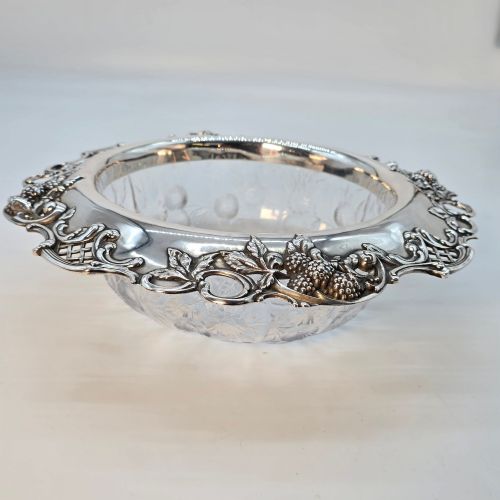
These edwardian glass bowl examples offer crisp cut crystal and delicate enamel work, bringing period charm and genuine utility to any table.
Edwardian Glass Bowl Types
Every edwardian glass bowl search reveals pieces spanning domestic service and decorative display, with champagne bowls and finger bowls appearing frequently alongside larger salad bowls and centrepieces.
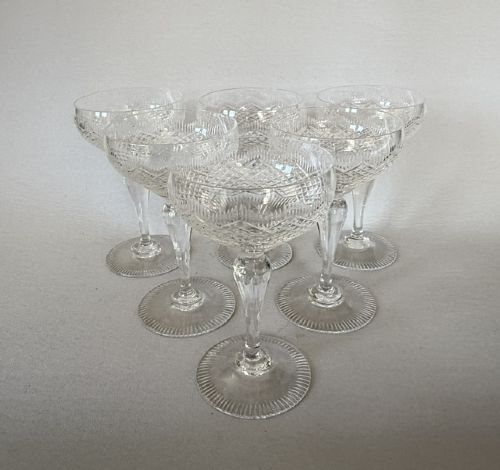
The domestic dining table accounts for many surviving examples, particularly sets of champagne bowls and finger bowls designed for formal meals around nineteen hundred.
Decorative examples draw on Arts and Crafts and Art Nouveau styles, showing green cane decoration or peacock eyes alongside traditional cut crystal.
Materials and Manufacture
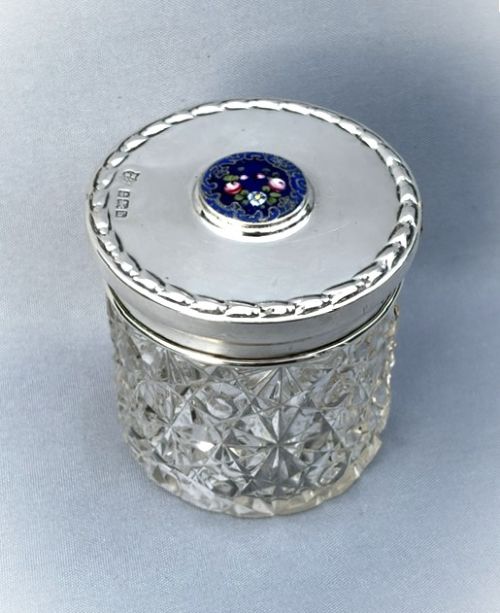
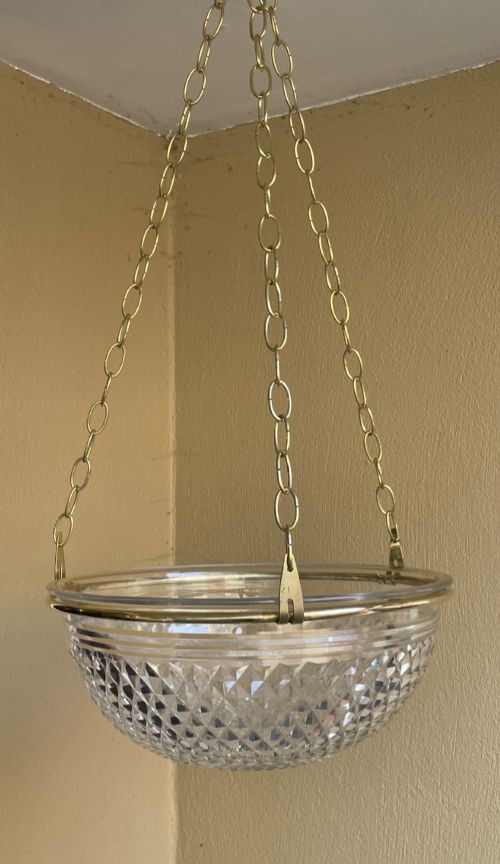
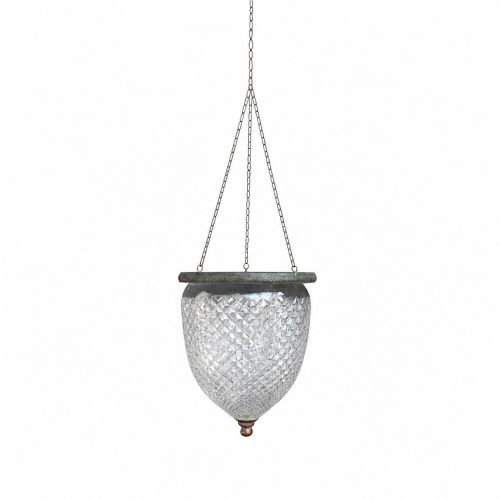
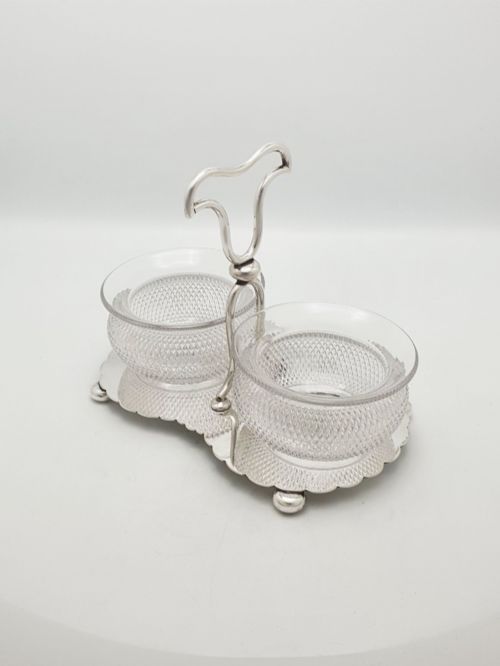
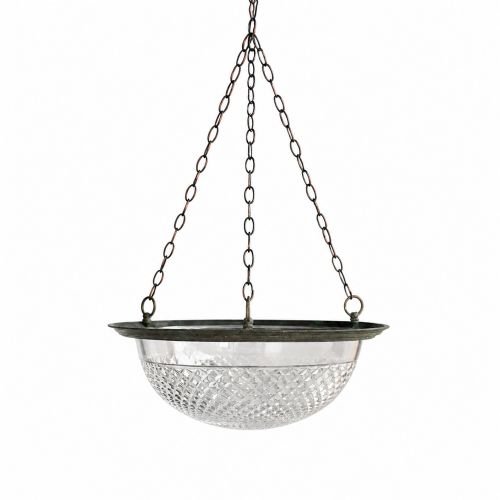
The primary material is lead crystal or clear glass, shaped by blowing and finished with deep wheel-cutting to create geometric patterns and star-cut bases.
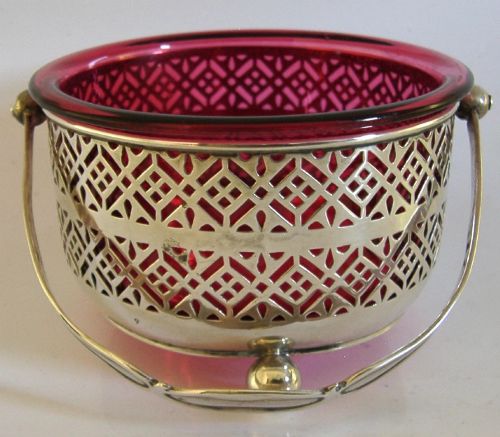
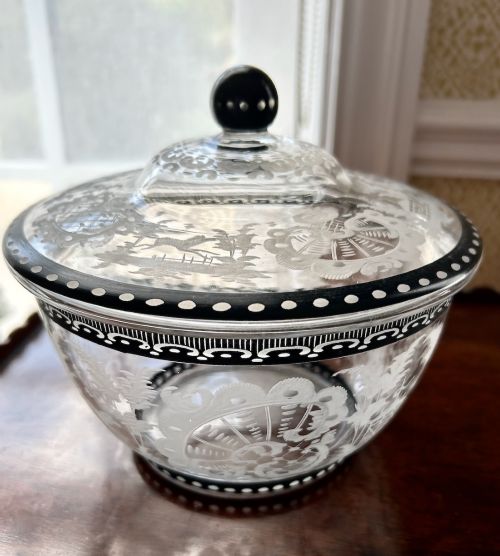
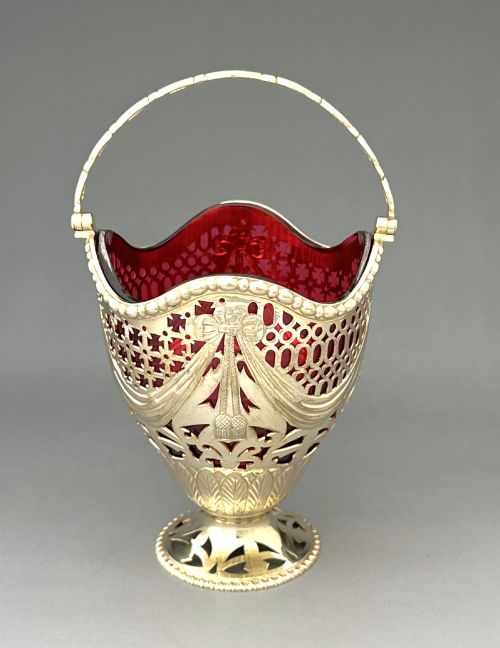
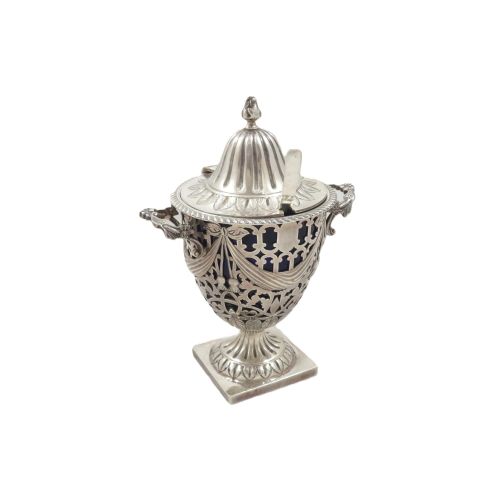
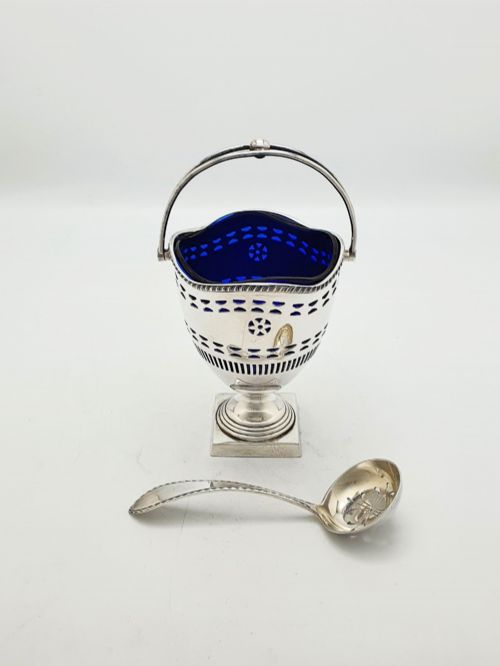
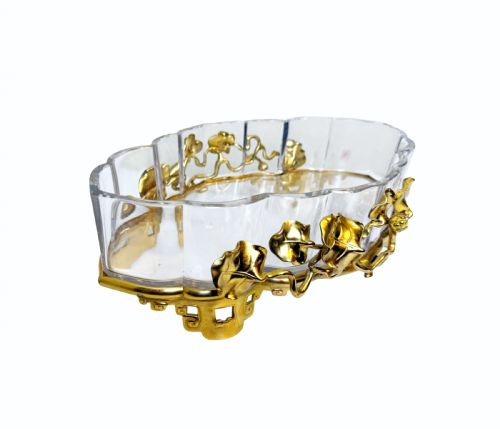
Surface decoration includes hand-applied enamel work, acid etching, and trailing, whilst some pieces incorporate gilt bronze or silver-plated frames and mounts.
Retail Price Guide 2026
Typical UK retail prices for edwardian glass bowl, calculated from the Sellingantiques database of over a million retail prices indexed since 2003. This retail price guide relies exclusively on Sellingantiques data; no external sources or auction records are used, so the figures do not describe the wider market.
Listings feature periods from the late nineteenth century through to nineteen thirty, including items associated with the Arts and Crafts movement.
Assessing Quality
Quality rests on the crispness of the glass cutting and the weight of the lead crystal, where sharper facets catch the light more effectively than soft moulding.
Design ambition distinguishes standard table glass from special workshop productions, particularly when individual enamelling by artists such as Hannah Walton or specific retail collaborations are involved.
Stuart·Liberty·Hannah Walton
The Edwardian Glass Bowl Glossary
- Finger bowl
- A small bowl filled with water scented with lemon or rose petals, placed before a guest between courses for rinsing fingers.
- Cut glass
- Glass decorated by holding it against a revolving abrasive wheel to carve facets and patterns into the surface.
- Centrepiece
- A large decorative vessel placed in the middle of a dining table, often paired with a gilt bronze or silver-plated frame.
- Cranberry glass
- Transparent red glass produced by adding gold chloride to the molten metal during the blowing process.
Frequently Asked Questions
How do I clean an antique glass bowl?
Wash the glass gently in warm soapy water using a soft cloth, avoiding harsh scouring pads that might scratch the surface.
Dry thoroughly with a lint-free cloth to maintain the clarity and brilliance of the lead crystal.
Were these bowls used daily?
Many examples served specific functions in Edwardian dining rituals, such as holding finger bowls or champagne at formal dinners.
Larger punch bowls and salad bowls were reserved for entertaining guests on special occasions.
How can I tell Edwardian glass from Victorian?
Edwardian pieces often embrace lighter Arts and Crafts or Art Nouveau aesthetics, favouring simpler forms and organic motifs.
Victorian glass tends to feature heavier, more ornate cutting and denser ornamentation across the entire surface.
Can I use antique bowls for serving food?
Most glass bowls remain entirely suitable for serving dry foods, fruit, or desserts during contemporary dining.
Avoid subjecting antique lead crystal to sudden temperature changes or acidic foods for extended periods.