
Antique Crystal Glass
Antique crystal glass brings together centuries of cut brilliance, from Georgian decanters to French chandeliers, prized for catching light in any room.
Antique Crystal Glass
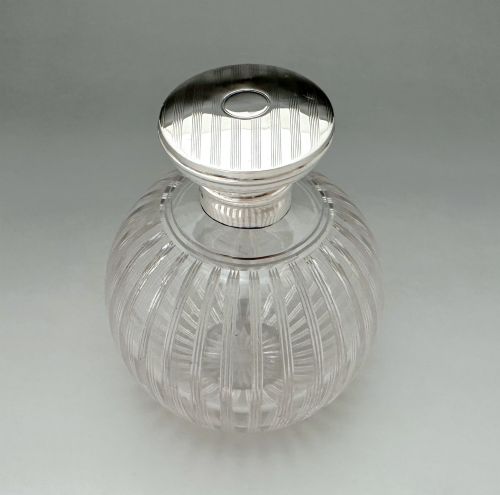
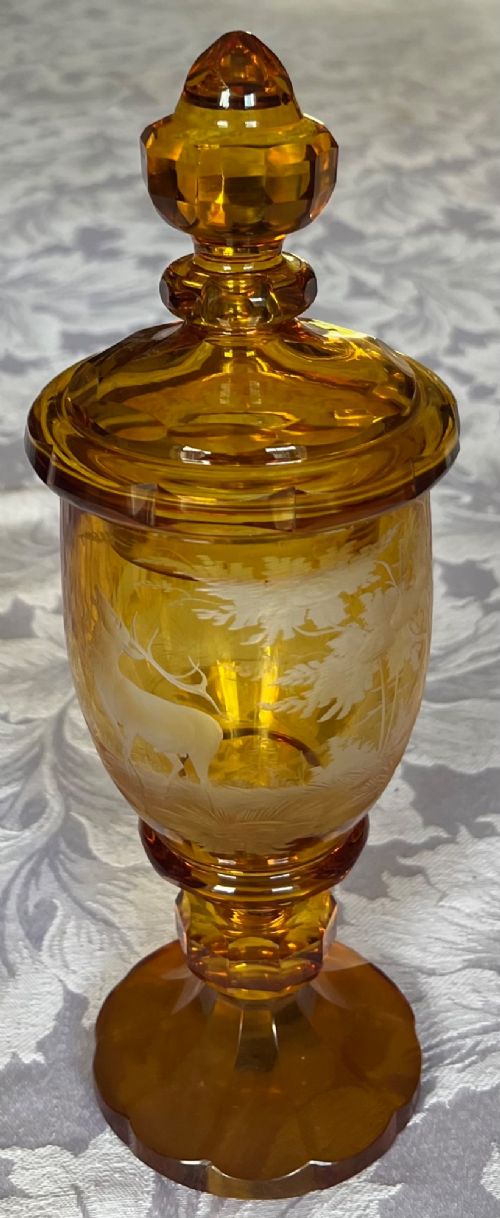
When searching for antique crystal glass, buyers encounter an array of functional and decorative items spanning the Georgian, Victorian, Edwardian, and Art Deco eras. The selection ranges from intricate drinkware, rummers, and decanters to scent bottles, table lamps, and grand multi-light chandeliers.
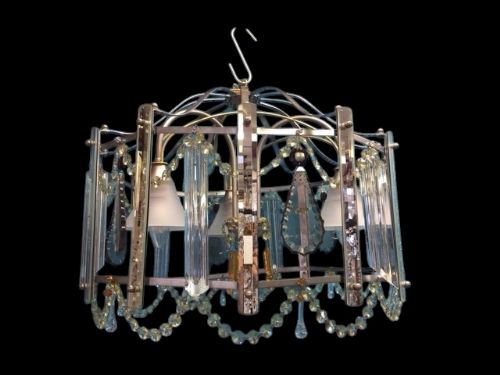
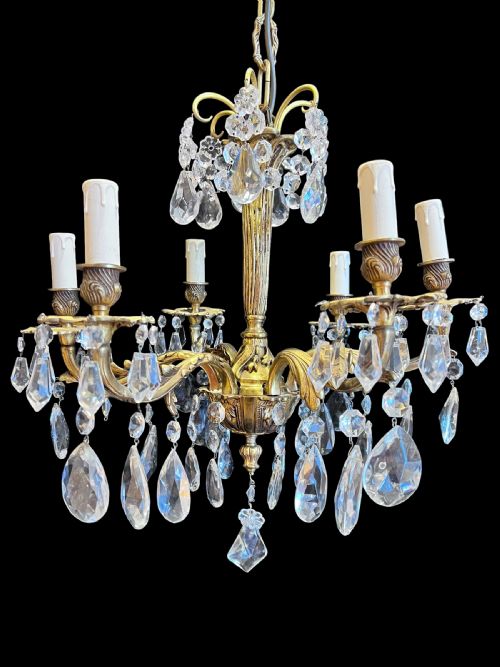
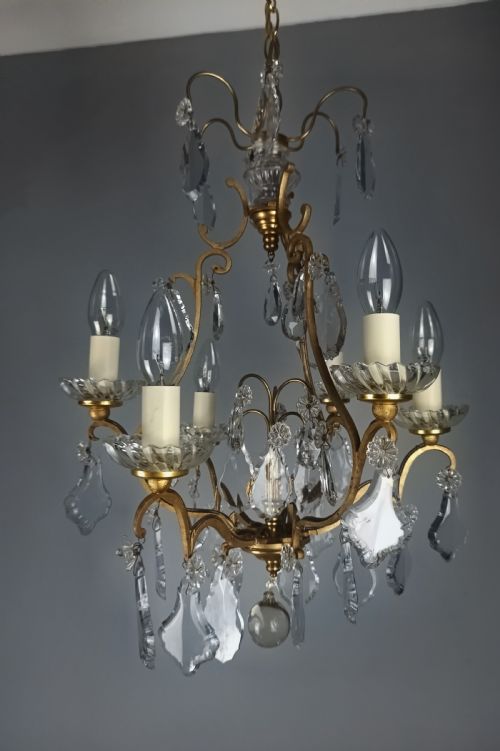
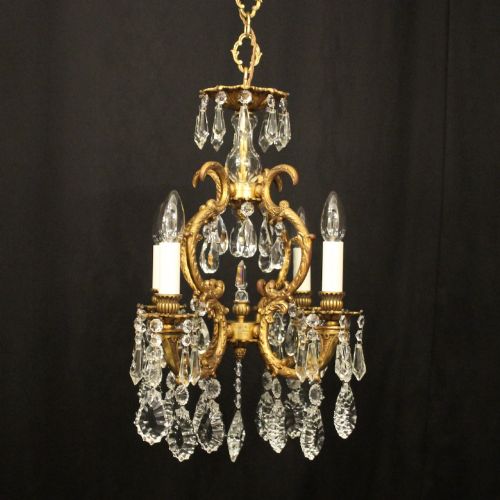
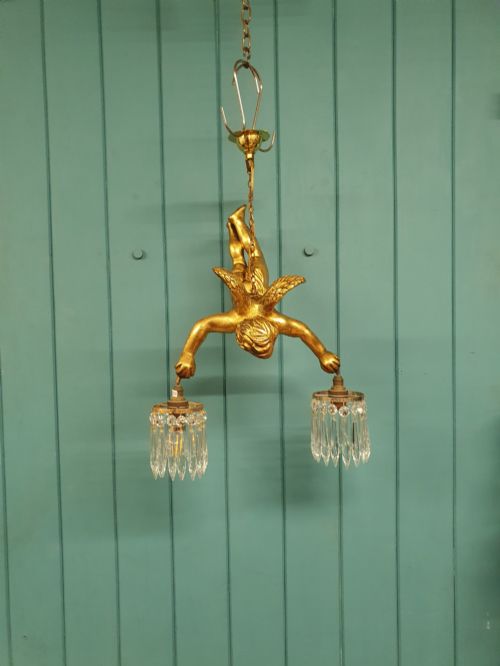
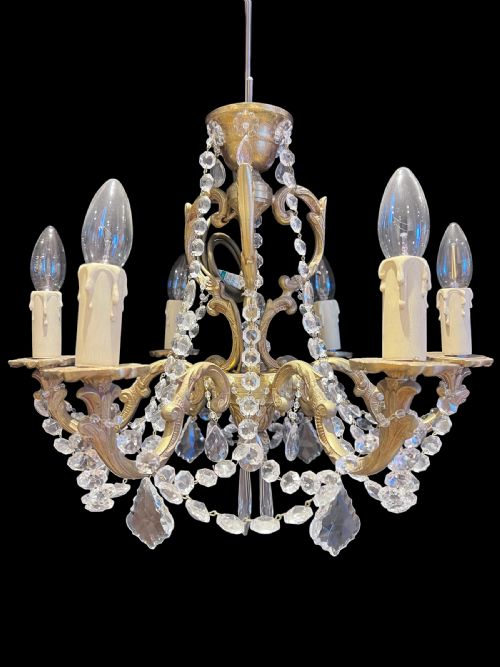
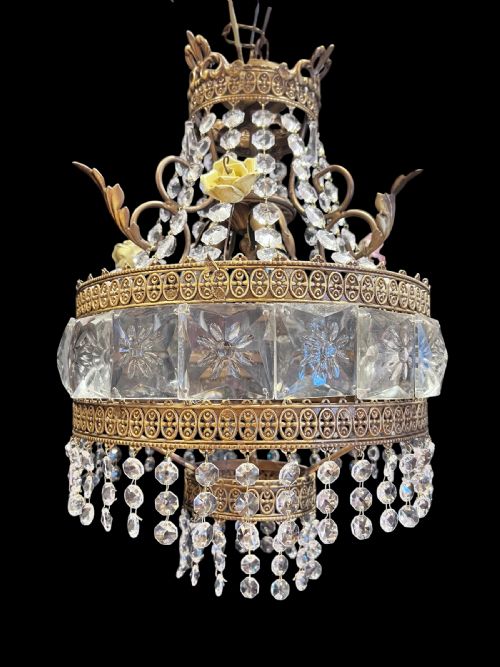
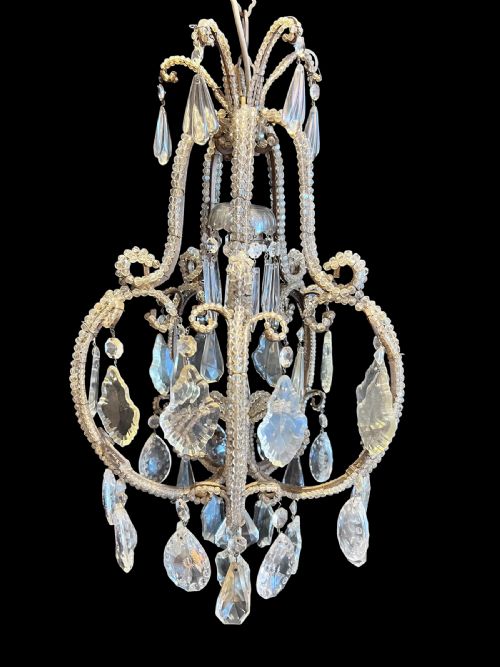
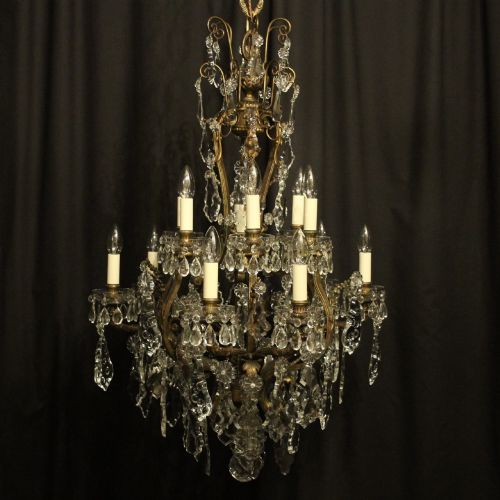
Lighting fixtures, particularly French brass and gilt bronze chandeliers hung with crystal lustres or beads, appear frequently alongside tableware. Drinking vessels, including champagne coupes and dram glasses, represent the domestic side of this material, often showing deep pillar or star-cut facets.
Materials and construction methods
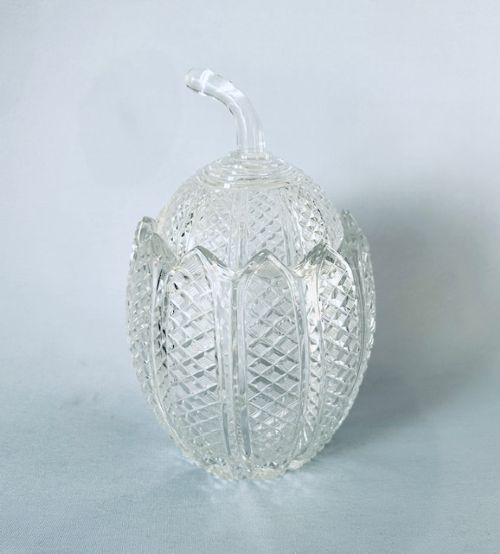
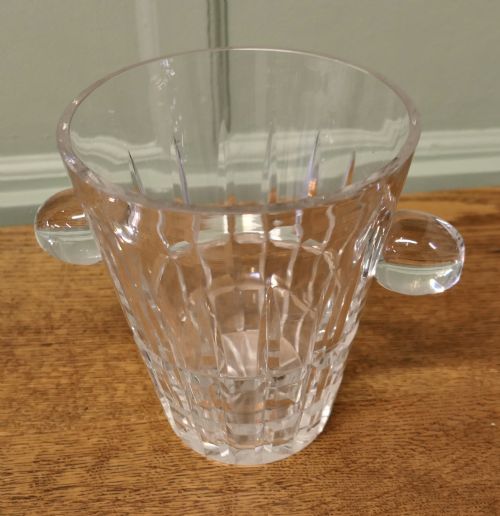
Makers shaped these pieces using lead-clear glass or crystal, often combining the vitreous body with sterling silver mounts, brass frames, or gilded bronze. Workers applied cutting techniques such as prism and pillar cuts to create deep geometric patterns that refract light.
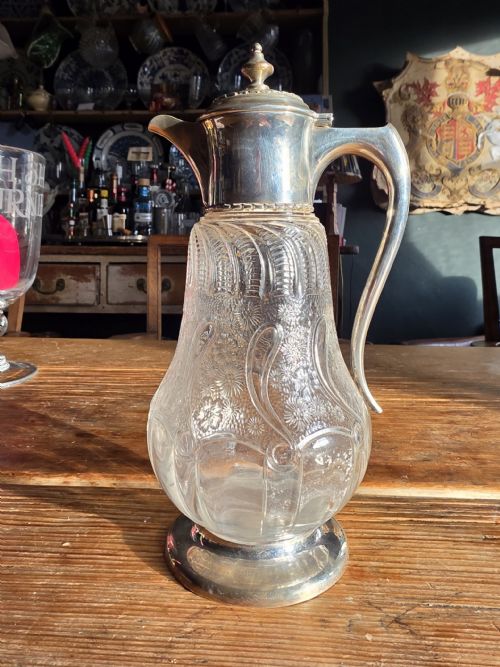
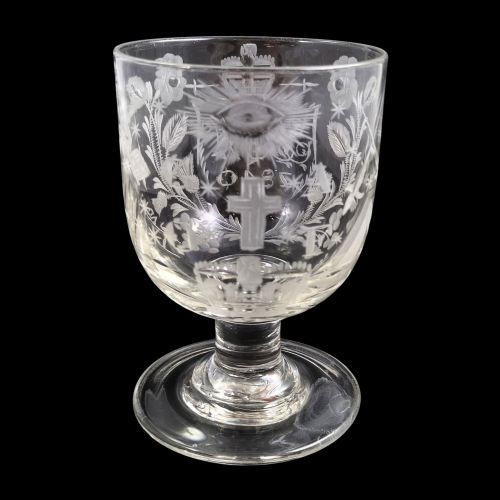
Craftsmen also utilised engraving and etching methods directly onto the glass surface, as seen on floral motifs and star-etched stems. Metal components were cast, chased, and gilded to support heavy crystal drops, beads, and central stems.
Listings feature items from the Georgian, Victorian, Edwardian, and Art Deco periods, executed in cut glass, lead crystal, silver, and gilded bronze.
Distinctions in quality and execution
Quality in these pieces rests upon the crispness of the cutting and the clarity of the material itself. Sharp, deep facets reflect light cleanly, whereas softer edges indicate hurried or later production.
The integration of secondary materials, such as heavy sterling silver mounts or finely chased gilded bronze frames, elevates the overall standard of the object. Weight, balance, and the purity of the ring when struck further separate standard domestic glassware from finer workshop outputs.
Asprey and Co. Ltd·The Boots Company·Thomas Prime·Baccarat·Japy Freres·J. E. Caldwell of Philadelphia
The Antique Crystal Glass Glossary
- Lead Crystal
- A heavy glass variety containing lead oxide, which increases brilliance and makes the material softer for deep cutting. This composition accounts for the substantial weight found in quality decanters and chandeliers.
- Rummer
- A large drinking glass with a thick stem, popular during the Georgian and Victorian periods for ale, beer, or wine. They frequently feature engraved bowls and sturdy bases.
- Lustre
- A decorative tabletop candle holder hung with cut crystal drops that refract flame light. Victorian examples sometimes incorporated uranium or milk glass.
- Pillar and Prism Cut
- Faceting techniques involving broad, flat cuts that create sharp geometric planes along the body of jugs, carafes, and decanters. This style maximises the reflective qualities of thick crystal.
- Tent and Waterfall
- A chandelier configuration where strings of crystal beads form an upper tent shape dropping down to a wider, tiered lower section. This style originated in grand French and English reception rooms.
Antique Crystal Glass: Frequently Asked Questions
How do I date antique crystal glass?
Dating relies on combining the form of the object, the style of its cutting, and any accompanying metal mounts or hallmarks. Georgian pieces often display thick pontil marks and heavy lead content, while Edwardian and Art Deco items show sleeker lines or distinct machine-influenced symmetry.
Secondary evidence, such as silver hallmarks or the specific configuration of chandelier drops, narrows the production window further. Comparing the piece against documented examples from periods like the Victorian era helps confirm its decade of origin.
Were these crystal items used daily?
Many items, such as rummers, decanters, and champagne coupes, were produced for regular dining and entertaining among the wealthy classes. Heavier table lamps and chandeliers served as permanent fixtures in grand townhouses and country homes.
Over time, functional drinkware shifted towards display, particularly as dining habits changed. Today, owners balance careful use with appreciation for the craftsmanship of past centuries.
How do I clean antique chandeliers?
Cleaning requires removing dust with a soft brush and wiping individual crystal drops with a mild solution of warm water and gentle soap. Metal frames should be kept dry to preserve original gilding or bronze patination.
Dismantling hanging elements is rarely necessary if each crystal is cleaned in place with a protective cloth held underneath to catch drips. Avoiding harsh chemical cleaners protects both the fragile glass surface and aged metal mounts.
What is the difference between glass and crystal?
Traditional crystal contains a proportion of lead oxide, which alters the refractive index and makes the material heavier and more resonant when struck. Standard glass lacks this specific mineral addition and typically feels lighter in the hand.
This lead content allows artisans to cut deeper, sharper facets into crystal without fracturing the material. Consequently, antique pieces described as crystal generally exhibit greater brilliance and weight than ordinary contemporary glass.