


Decorative Crystal Vase
These decorative crystal vase examples bring heavy lead crystal, opalescent glass, and gilt detail straight into your home.
Decorative Crystal Vase
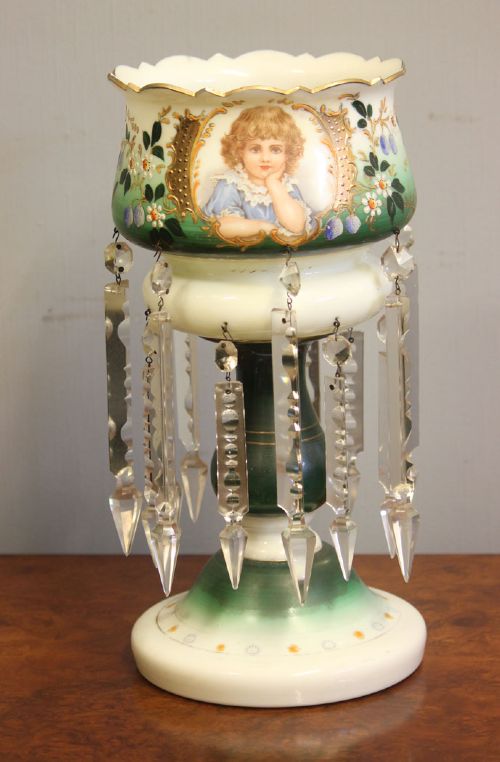
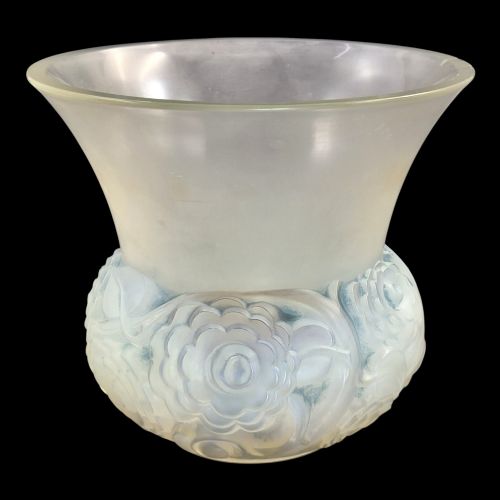
When you search for a decorative crystal vase, you look for vessels that catch the light and anchor a room, spanning periods from the late nineteenth century through the Art Deco era. The items gathered here include heavy cut glass, mantel lustres, centrepieces, and French opalescent vessels.
You are most likely to meet pieces produced during the 1920s and 1900s, alongside Victorian and Edwardian examples. Forms range from lidded urns to moulded floral designs created by notable makers.
Beyond standard vases, the selection encompasses mantle lustres fitted with hanging drops and large centrepieces finished in silver plate. Each object combines utility with decorative presence, whether displayed empty on a table or holding cut stems.
How they were made
Makers shaped these objects using lead crystal, clear and frosted glass, and opalescent glass, frequently combining them with enamel, gilt, and silver plate mounts. Techniques involved pressing, blowing, cutting, and etching the material while hot or cold to achieve sharp facets and textured surfaces.
Specific artistic effects relied on specialised chemical additions and cooling methods, resulting in the milky, opalescent quality seen in French pieces or the deep green peacock eyes fused into English glass. Artisans finished many vessels with hand-cut patterns or acid-etched details that define their distinct optical depth.
What varies in quality
The distinction between standard production and the finest work lies in the crispness of the cutting, the weight of the lead crystal, and the purity of the glass mass. Superior examples show precise symmetry in their moulded or wheel-cut motifs without distortion or cloudiness in the material.
Artistry in design and signature marks from established workshops elevate certain pieces above anonymous factory output. The integration of metal mounts, such as silver plate or gilt bronze, also distinguishes more ambitious decorative commissions from simpler domestic glass.
René Lalique·Stuart
The Decorative Crystal Vase Glossary
- Opalescent glass
- Glass that diffuses light with a milky, iridescent glow, often shifting in tone between blue and amber depending on the angle.
- Mantel lustre
- A decorative vase hung with cut glass prisms designed to catch and reflect candlelight from a fireplace mantel.
- Lead crystal
- Glass containing lead oxide that increases weight, brilliance, and softness for deep cutting.
- Centrepiece
- A large ornamental vessel or stand placed in the middle of a dining table or sideboard.
- Etched glass
- Glass decorated by applying acid to eat away exposed areas, creating a frosted pattern against clear surfaces.
Decorative Crystal Vase: Frequently Asked Questions
What is a decorative crystal vase used for?
These vessels serve primarily as ornamental centrepieces or focal points on sideboards, mantels, and dining tables. They were traditionally designed to display cut flowers or simply to catch and refract ambient light in a room.
Heavier forms and mantel lustres also function as standalone sculptures, often paired with matching items to balance a formal interior arrangement.
How do I clean an antique crystal vase?
Wash the glass by hand in lukewarm water using a mild, unscented detergent and line the sink with a towel to prevent chipping. Avoid sudden temperature changes which can crack aged lead crystal or historical glass.
Dry the vessel immediately with a lint-free cloth to prevent water spots, and use a soft brush to clear dust from intricate cut facets or etched recesses.
How can I tell Art Deco glass apart from Victorian pieces?
Victorian examples lean towards heavy cutting, ornate silver plate, and vibrant colours or mantel lustres hung with glass drops. They often display symmetrical floral motifs and traditional silhouettes.
Art Deco items from the 1920s and 1930s favour frosted surfaces, stylised nature motifs like foliage or seed pods, and sculptural mouldings that emphasise modern geometric lines.
Are these pieces safe for holding water and fresh flowers?
Most sturdy crystal and glass vessels hold water safely, provided they do not possess internal hairline cracks or delicate silver plate mounts that should remain dry. Fill the vase with room-temperature water before adding stems to protect the historical material.
Empty and dry the interior regularly to prevent mineral deposits from clouding the old glass over time.