

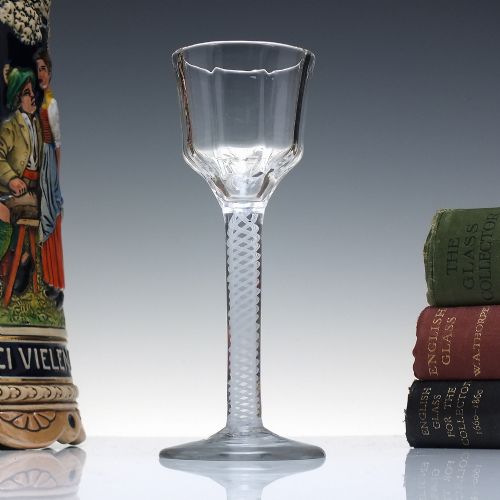


Clear Crystal Vessel
A clear crystal vessel brings weight and bright refraction to a room, ranging from Georgian wine glasses to Art Deco vases.
Clear Crystal Vessel
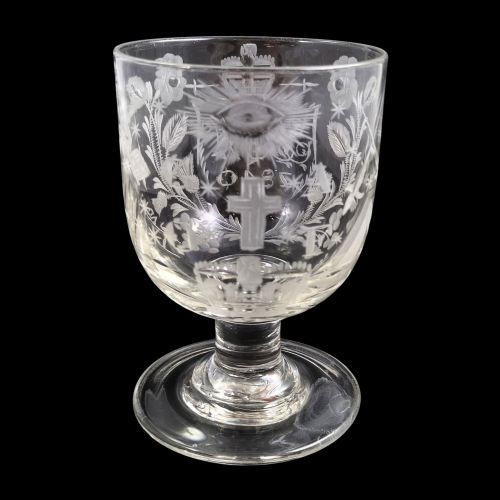
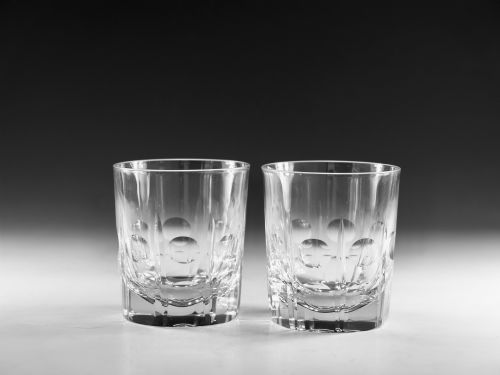
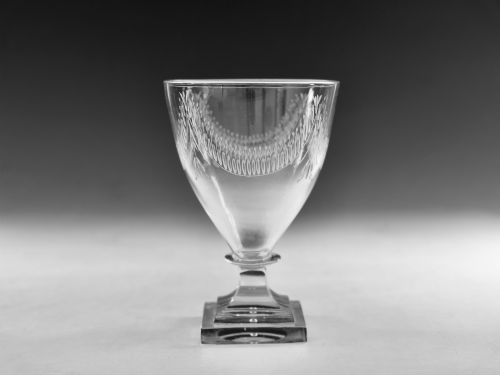
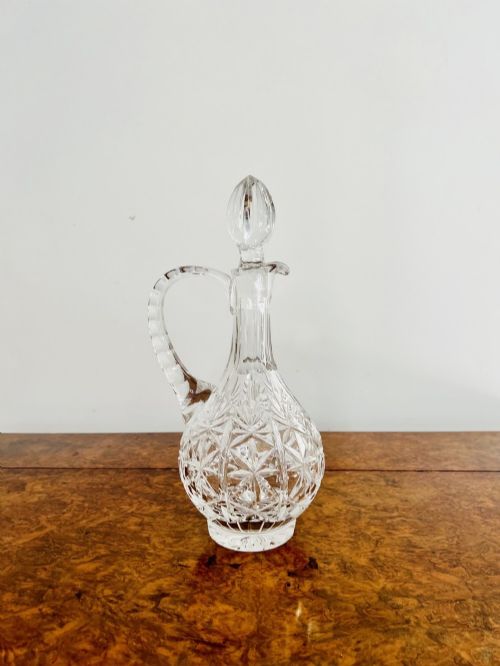
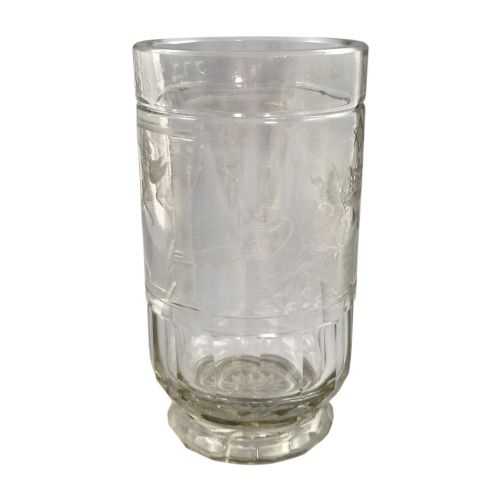
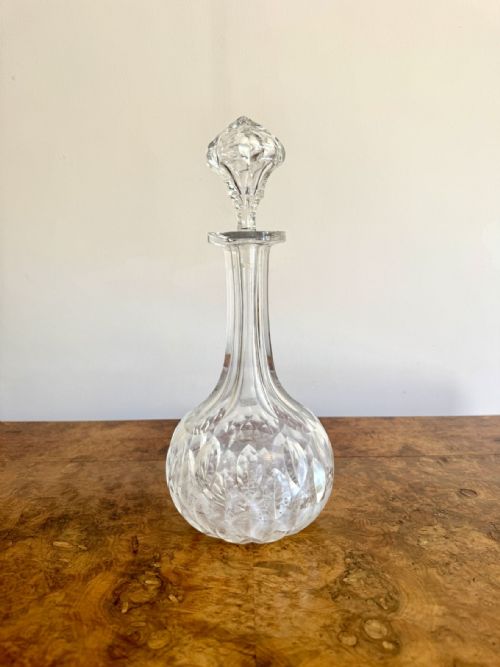
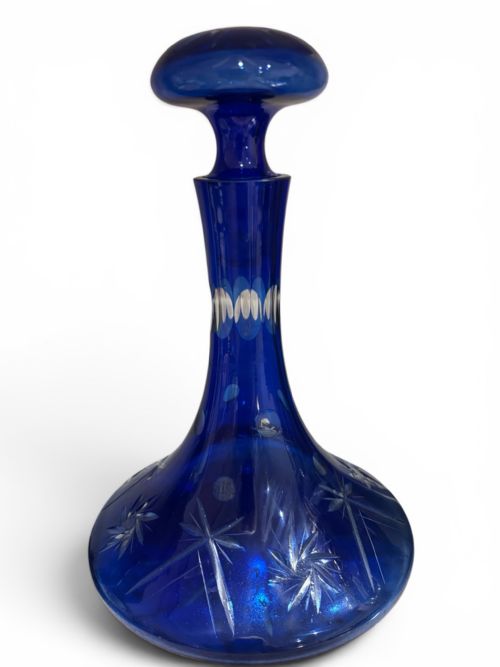
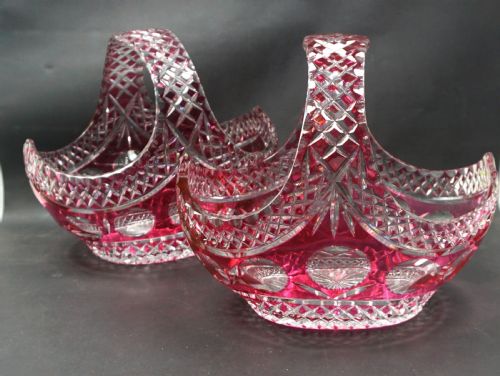
When you search for a clear crystal vessel, you encounter a wide spectrum of functional and decorative glassware spanning several centuries. The selection encompasses drinking vessels such as wine glasses, rummers, and dram glasses alongside larger decorative pieces like bowls, decanters, ewers, and vases.
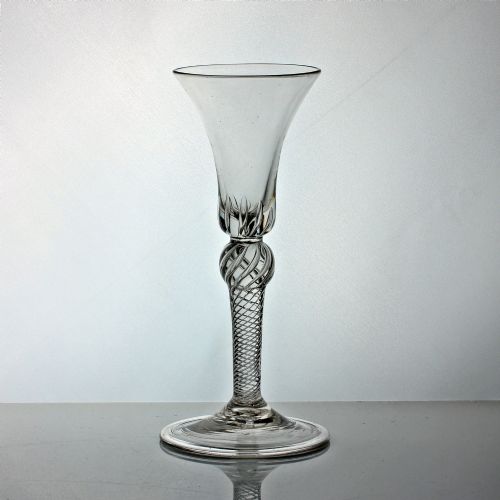
Georgian drinking vessels dominate the earlier eras, featuring distinct stem formations like air twists and opaque twists. Later items shift towards Edwardian decanters, Victorian cut glass, and Art Deco modernist vases from continental and British makers.
What varies in quality
The precision of the cutting and the clarity of the metal define the upper tiers of production. Sharp facets, well-balanced proportions, and heavy metal indicate superior workshop output.
Signature marks, exceptional scale, and unusual colour overlays distinguish high-end decorative objects from standard utility pieces. Balance in stem formations and crispness of engraved motifs signal skilled craftsmanship.
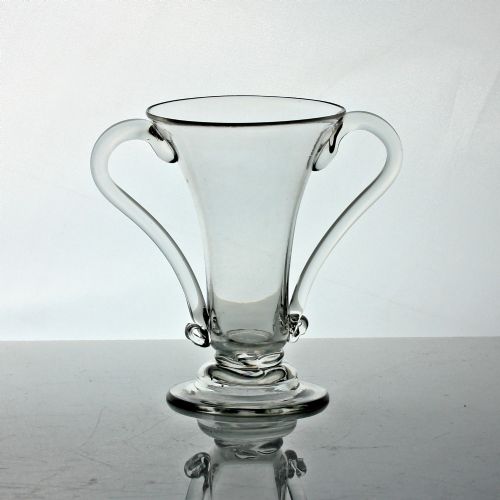
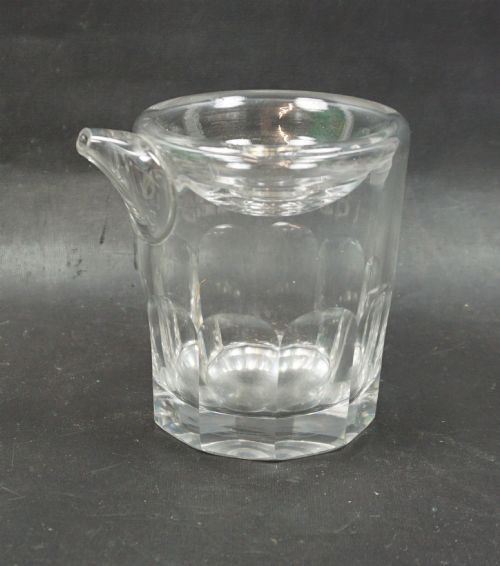
Georgian feeding cups remind us that convalescing invalids once required crystal refreshment delivered with absolute gentleness.
René Lalique·Jean Luce·Val St Lambert·Hukin & Heath
The Clear Crystal Vessel Glossary
- Lead glass
- Glass containing lead oxide, which increases brilliance, weight, and softness for easier cutting. This material became standard for fine tableware from the late seventeenth century onwards.
- Rummer
- A large drinking glass used for ale, wine, or punch during the Georgian and Victorian eras. These heavy vessels often sat on a square or conical foot with engraved hop and barley motifs.
- Air twist
- A decorative stem containing elongated bubbles drawn into spiral threads. Makers produced these by manipulating air trapped inside the molten glass during pulling.
- Baluster
- A sturdy, heavy stem shape resembling a architectural support, typical of early eighteenth-century drinking vessels. These stems often feature knops and swelling profiles.
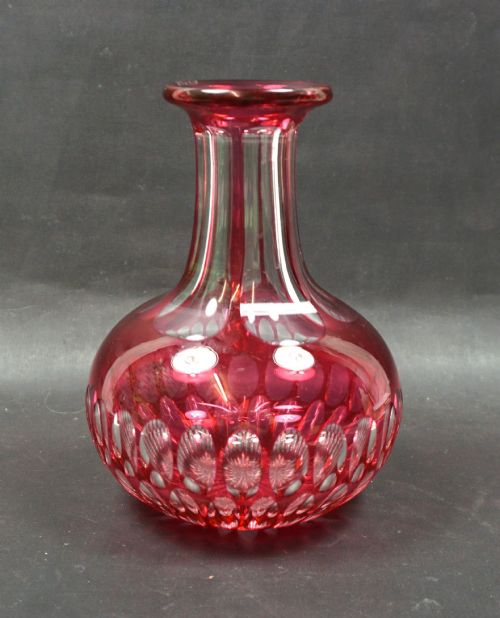
- Over crystal
- A technique where a layer of coloured glass covers a clear crystal body, allowing the artisan to cut through the top layer to reveal the clear glass beneath.
Clear Crystal Vessel: Frequently Asked Questions
What is a rummer glass used for?
A rummer served as a sturdy drinking vessel for ale, beer, or wine in homes and taverns during the Georgian and Victorian periods. Their heavy build and stable bases suited communal dining tables.
Over time, forms evolved from plain bowls to pieces featuring engraved hops, barley, or facet cutting. Collectors prize these larger vessels for their robust presence and historical utility.
How do I date an antique wine glass?
Dating relies on examining stem construction, bowl shape, and foot characteristics. Eighteenth-century examples often display air twists, opaque twists, or baluster profiles.
Later Victorian and Edwardian items shift towards heavier cut patterns and pressed glass techniques. Pontil marks on the underside also offer clues regarding manufacturing age.
What distinguishes lead glass from ordinary glass?
Lead glass incorporates lead oxide into the batch, producing a heavier weight and a resonant tone when struck. This formula allows the material to refract light with exceptional brilliance.
Craftsmen found lead glass softer to cut, enabling the creation of deep, sharp facets on decanters and vases. Standard clear glass feels lighter and lacks the same dense sparkle.