




British Art Glass
British art glass brings together vibrant coloured vessels and decorative bowls shaped by notable makers during the twentieth century.
British Art Glass
When you search for british art glass, you are looking at decorative vessels and tableware produced across various twentieth-century periods. The selection includes pedestal bowls, vases, and decanters shaped in distinct regional styles.
You are most likely to meet pieces from the Art Deco period, alongside Victorian cranberry glass and mid-century modern designs. These items reflect the shifting aesthetic preferences of British workshops over several decades.
The objects combine practical utility with artistic expression, ranging from simple coloured glass liners to signed pedestal bowls. Each piece demonstrates the distinct material handling typical of British glassmakers.
Materials and Technique
Makers utilised lead crystal and coloured glass, often incorporating techniques like reverse glass painting or distinctive mould-blowing. Lead crystal provided weight and clarity for heavy decanters and vases.
Vessels frequently display layered colours, such as the two-colour green peacock eyes seen in works produced for Liberty. Enamel and brass components occasionally supplement the primary glass structures.
Surface treatment involved precise cooling, polishing, and occasional acid etching or signature engraving by the maker. These methods defined the final optical qualities of the finished objects.
Listings include Victorian cranberry glass alongside mid-century modern vessels and Art Deco pedestal bowls.
Distinguishing Quality
Quality rests in the purity of the metal, the precision of the form, and the depth of the colour achieved during firing. Superior pieces show an even distribution of tone without unintended distortion.
Signed examples by known designers carry greater distinction, reflecting the artistic oversight of the workshop. The crispness of wheel-cut details and the weight of the crystal separate standard production from finer output.
Graystan·Stevens and Williams·Stuart and Sons·Keith Murray·Joseph Lucas
The British Art Glass Glossary
- Cranberry glass
- A rich red glass coloured with gold chloride during the manufacturing process. It appears frequently in Victorian decorative items.
- Lead crystal
- Glass containing lead oxide, which increases brilliance and weight. This material allows for deeper cutting and sharper optical effects.
- Pedestal bowl
- A raised decorative bowl supported on a distinct foot or stem. These forms often feature prominent moulding or coloured casing.
- Reverse glass painting
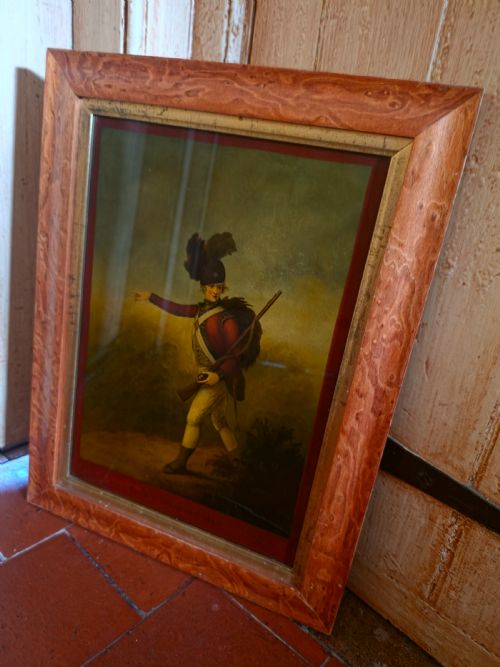
- An artwork technique where the image is painted directly onto the back of the glass panel. The viewer looks through the glass to see the finished composition.
- Nailsea type
- Glassware associated with the Nailsea glassworks, traditionally characterised by looped or splashed coloured glass threads. It represents a distinct regional tradition.
British Art Glass: Frequently Asked Questions
What is Victorian cranberry glass?
Victorian cranberry glass refers to distinctive red tableware and decorative objects produced during the nineteenth century. The signature tint comes from the addition of gold to the molten batch.
These pieces range from deep crimson to pale pink depending on the concentration of the mixture.
Are these glass items signed?
Some pieces carry signatures, acid-etched marks, or paper labels from the original maker or retailer. Signatures provide definitive attribution to specific designers and workshops.
Unsigned pieces are also common, requiring stylistic comparison to determine origin.
How should I display these glass pieces?
Display these items in well-lit areas where natural light can pass through the coloured or crystal material. Shelving near windows or within illuminated cabinets highlights the optical qualities.
Ensure stable placement away from edges to protect fragile pedestal bowls and vases.