



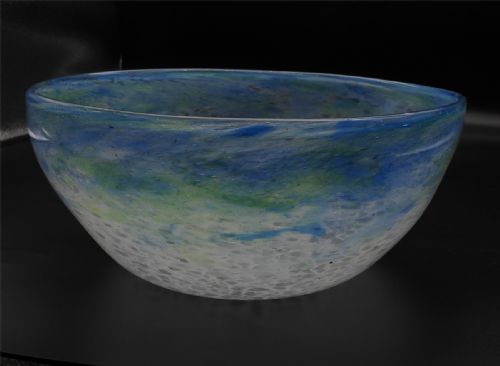


Decorative Glass Fruit Dish
These decorative glass fruit dish examples combine pressed or blown bowls with mounts in gilt bronze and ormolu, offering a practical centrepiece for any table.
Decorative Glass Fruit Dish
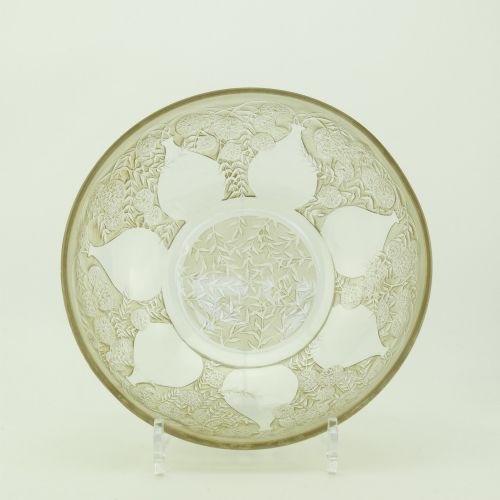
A decorative glass fruit dish serves as a prominent table centrepiece, appearing in forms such as footed bowls, tazzas, and deep presentation vessels. These pieces range from Victorian and Edwardian tablewares to striking Art Deco and Art Nouveau designs.
You are most likely to encounter moulded opalescent bowls, heavy cut crystal vessels, and iridescent art glass pieces mounted in metal. Origins span English, French, Belgian, and Scottish makers, with many items reflecting specific historical revivals like the Empire style.
How they were made
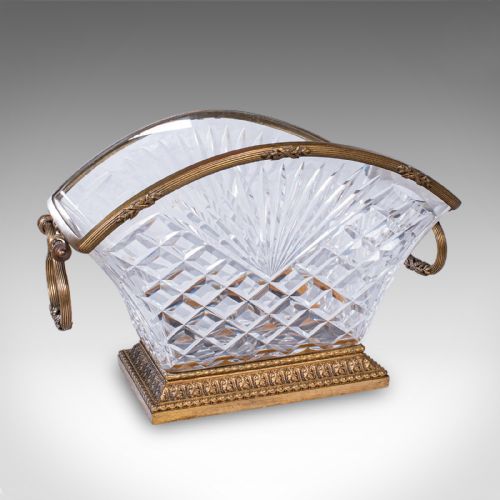
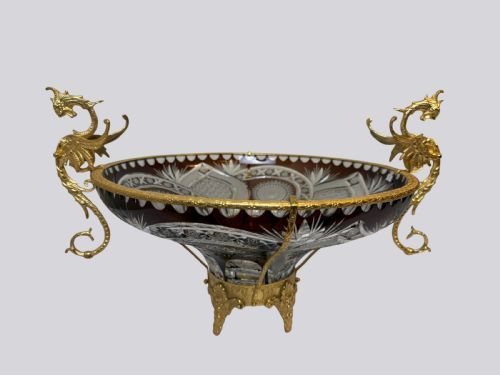
Makers shaped the vessels using techniques such as free-blowing, mould-pressing, and deep cutting into clear or coloured crystal. Some items feature overlaid glass, enamel decoration, or applied green cane details embedded within the material.
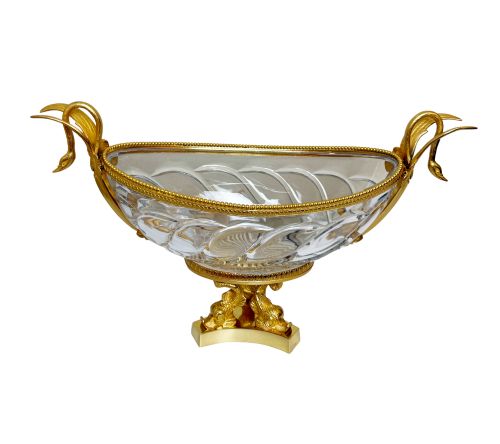
Metal mounts utilise cast gilt bronze and ormolu, providing structural feet or decorative rims often shaped as mermen or classical foliate patterns. These metal components are securely fitted to the glass bodies to create substantial centrepieces.
Some nineteenth-century bronze ormolu centrepieces feature mermen clinging to the base to support the heavy glass bowl above.
What varies in quality
The clarity and weight of the crystal separate standard tableware from superior sculptural vessels. Crispness in moulded relief and sharpness of wheel-cut facets indicate higher workmanship.
The execution of the metal mounts dictates the tier of the piece. Finely chased gilt bronze and ormolu castings with intricate detail distinguish the finest examples from simpler productions.
Rene Lalique·Val St. Lambert·Loetz·Monart Glass·Baccarat
The Decorative Glass Fruit Dish Glossary
- Ormolu
- A gilt bronze finish applied to decorative metal mounts and decorative feet. This technique gives the bronze a rich gold-coloured appearance.
- Tazza
- A shallow bowl raised upon a high foot or pedestal. This form originates from Renaissance silverware adapted into nineteenth-century glass and ceramic wares.
- Opalescent glass
- A translucent glass type that displays milky blue or amber highlights when lit. It scatters light across the surface to accentuate moulded relief.
- Overlaid glass
- A vessel comprising two or more distinct layers of coloured glass fused together. Craftsmen then cut through the outer layer to reveal the contrasting colour underneath.
- Iridescent glass
- Glass treated with metallic salts while hot to produce a shimmering, rainbow-like surface sheen. This finish became particularly popular during the Art Nouveau period.
Decorative Glass Fruit Dish: Frequently Asked Questions
What is a decorative glass fruit dish?
A decorative glass fruit dish is a large bowl or tazza designed to hold fruit while acting as a prominent table centrepiece. These vessels combine moulded, cut, or blown glass with optional metal stands.
Such pieces are recorded across Victorian, Edwardian, and twentieth-century design movements. They range from simple coloured glass bowls to elaborate creations featuring gilt bronze mounts.
How were these bowls used?
These vessels functioned primarily as dining table centrepieces for presenting fruit during formal meals. Their decorative presence made them central ornaments in nineteenth and early twentieth-century dining rooms.
Beyond dining tables, they served as standalone decorative objects on sideboards or mantelpieces. Their substantial size allowed them to catch and reflect light in formal reception spaces.
How do I identify Art Deco pieces?
Art Deco pieces display geometric motifs, stylized floral patterns, and bold, symmetrical moulding. Forms from this era often utilise heavy opalescent or clear pressed glass with distinct factory marks.
Objects from the 1920s and 1930s frequently adopt streamlined shapes or low, wide profiles. These characteristics separate them from the more organic, flowing lines of earlier Art Nouveau items.
How should I care for glass with metal mounts?
Clean the glass portion gently using warm water and a mild detergent, avoiding harsh abrasives that might damage the surface. Dry the piece thoroughly with a soft cloth immediately after washing.
Keep moisture away from any gilt bronze or ormolu mounts to prevent tarnishing or corrosion. Use a dry, soft brush to remove dust from intricate metal crevices rather than liquid cleaners.