




Antique Dining Bowl
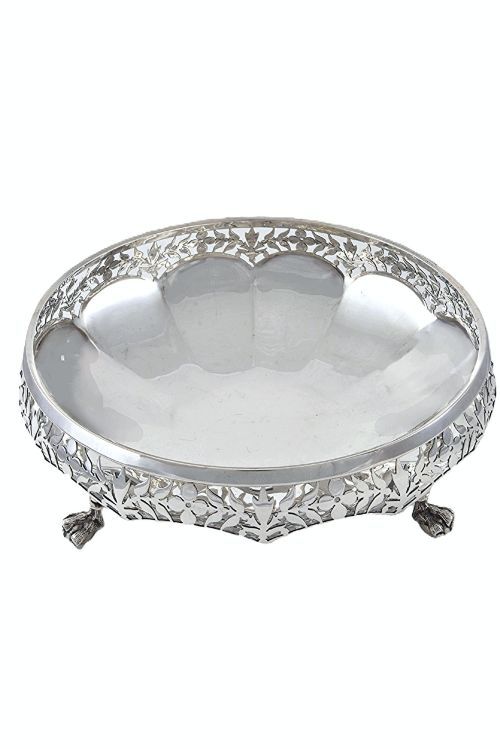
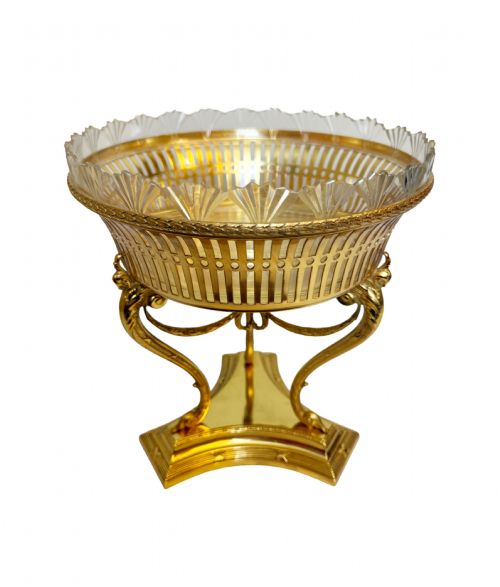
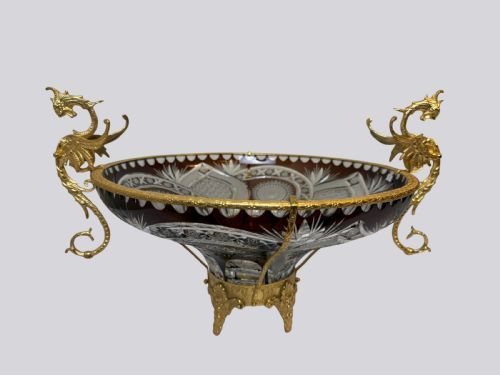
These antique dining bowl options include centrepieces, finger bowls and serving dishes shaped by nineteenth and early twentieth century makers.
Antique Dining Bowl
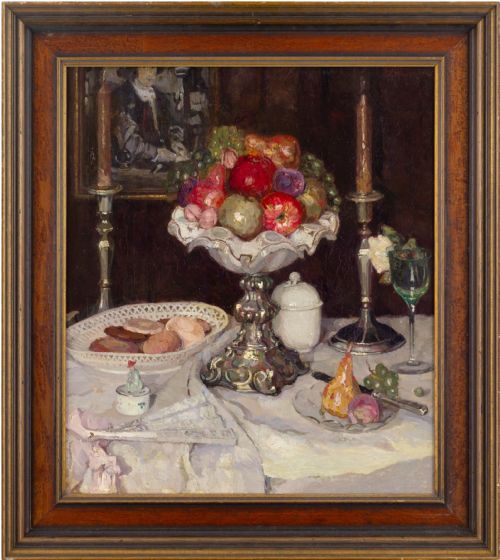
When searching for an antique dining bowl, buyers encounter a varied selection of table wares intended for food service, display and dining room presentation.
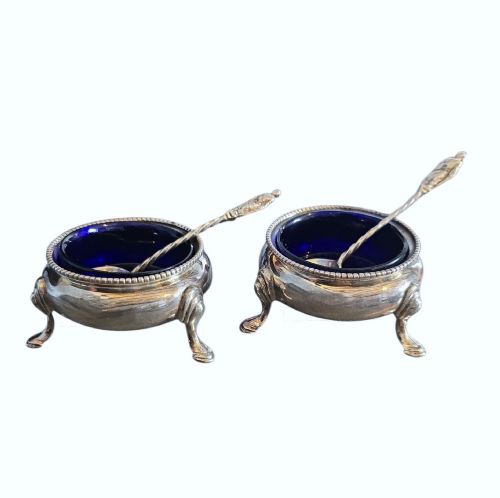
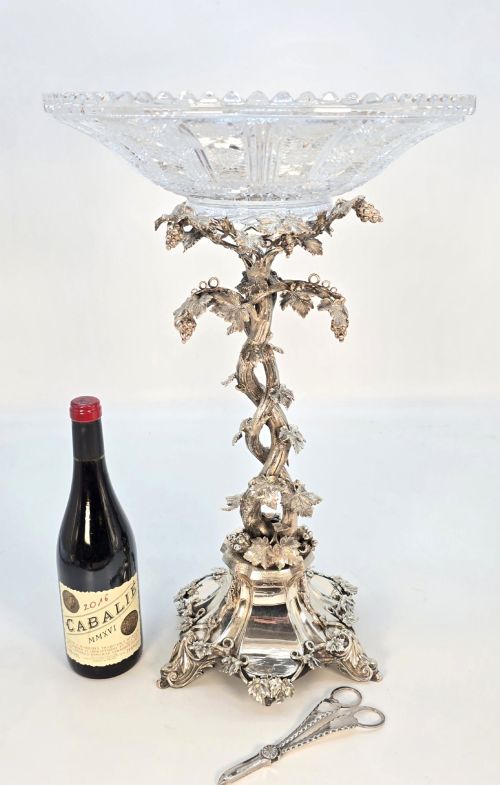
The objects appearing under this category span grand table centrepieces, glass finger bowls, fruit baskets, serving dishes and salt cellars.
Most examples originate from Victorian, Edwardian and early twentieth century workshops in Britain, France and Germany, reflecting formal dining habits of past eras.
How they were made
Metal items utilise sterling silver, silver plate, Old Sheffield plate, gilt bronze and silvered bronze, often shaped through casting, piercing and hammering.
Glass components rely on cut crystal, etched glass, cranberry glass and coloured glass inserts that pair with metal frames or stands.
Listings feature sterling silver, silver plate, cut crystal, clear glass and wood objects spanning the nineteenth and early twentieth centuries.
What varies in quality
The standard of an antique dining bowl depends on the crispness of hand-cut crystal facets, the depth of silver engraving and the weight of the metal mount.
Pieces bearing clear hallmarks from known silversmiths or documented manufacturing firms demonstrate superior craftsmanship compared to unmarked commercial alternatives.
Walker and Hall·William Hutton and Sons·Martin Hall·Thomas Smily·James Deakin·James Dixon and Sons·Christofle Gallia
The Antique Dining Bowl Glossary
- Centrepiece
- A large decorative bowl or epergne placed in the middle of a dining table for visual impact or fruit display.
- Finger bowl
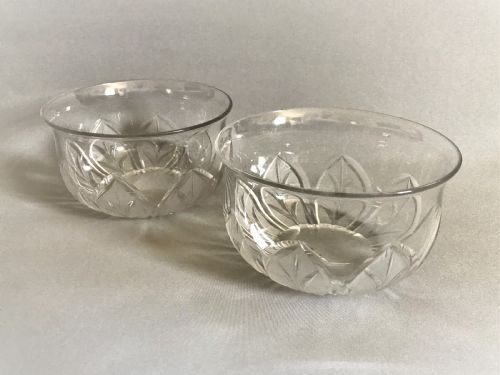
- A small bowl filled with water for rinsing fingers between courses at formal meals.
- Salt cellar
- A small receptacle used to hold salt on the dining table, often paired with miniature spoons.
- Old Sheffield plate
- A composite material made by fusing a thin sheet of silver to a copper base before fabrication.
- Epergne
- A tiered table centrepiece featuring a central bowl surrounded by multiple smaller hanging baskets or arms.
Antique Dining Bowl: Frequently Asked Questions
What were antique finger bowls used for?
Finger bowls held water for guests to cleanse their fingers between courses during formal nineteenth century dinners. They sat on small plates alongside the dining table.
Today these glass bowls function well for serving small desserts, floating decorative flowers or holding small trinkets.
How do I clean silver centrepieces?
Silver centrepieces require gentle washing with warm soapy water and a soft cloth to remove dust and tarnish safely. Avoid harsh abrasive dips that strip away original patination.
Dry the metal thoroughly after washing to prevent water spots on sterling silver or silver plate surfaces.
Are silver plated bowls durable?
Silver plated items feature a thin layer of pure silver bonded over a base metal like copper or nickel brass. With careful handling and gentle cleaning, this plating lasts for generations.
Avoid scrubbing silver plated pieces with metal polishes that wear down the protective surface over time.
How do I identify Victorian glass bowls?
Victorian glass bowls often feature hand-cut facets, etched geometric patterns or distinct coloured hues like cranberry ruby. Examining the rim and base reveals pontil marks left by traditional hand-blowing techniques.
Heavier pieces frequently incorporate lead crystal, which produces a clear ringing tone when gently tapped.