




Aesthetic Movement Bowl
An aesthetic movement bowl brings late nineteenth-century design into a room through striking contrasts of form, motif and material.
Aesthetic Movement Bowl
An aesthetic movement bowl captures the spirit of late Victorian design, blending historic craft traditions with modern ornamentation. The pieces on this page span decorative bowls, centrepieces and serving dishes from the crucial decades of the late nineteenth century.
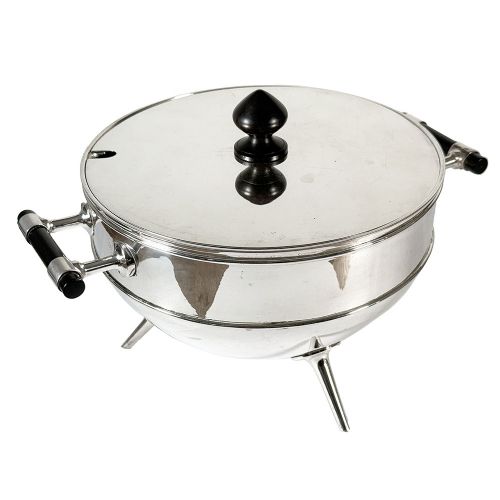
Buyers frequently encounter ceramic, porcelain and glass vessels supported by silver plate, sterling silver or ebonised wood mounts. These forms reflect a period when household objects shifted from mere utility to deliberate artistic statement.
Materials and construction
Makers shaped these bowls from ceramic, porcelain, opaline glass and crystal, often employing cobalt glaze, hand painting or intricate cut crystal patterns. Metal components combined silver plate, sterling silver and gilt work to frame the glass and ceramic bodies.
Architectural and botanical influences dictated the manufacture of ebonised wood supports and metal mounts. These varied substances were brought together with careful joinery and secure silver plating to create durable, highly decorative tableware.
Listings feature items spanning the Victorian era through to nineteen-thirty, incorporating ceramic, porcelain, silver plate and ebonised wood.
Judgments of quality
Quality rests upon the crispness of execution in the glass, ceramic body or metal mount. Pieces bearing identifiable designer attribution or factory marks command greater interest through documented provenance.
The harmony between differing materials dictates the visual success of the object. Weight, balance and the precision of hand-painted or gilt details separate standard production from exceptional studio output.
Christopher Dresser·Hukin & Heath·Doulton Burslem·James Hennell·Stuart for Liberty·Roberts and Belk·Thos. Webb & Sons·Royal Worcester
The Aesthetic Movement Bowl Glossary
- Ebonised wood
- Timber treated to resemble ebony, providing a dark, contrasting surface often utilised in nineteenth-century stands and handles.
- Cobalt glaze
- A deep blue ceramic colouring agent fired at high temperatures to achieve a rich, enduring vitreous surface.
- Silver plate
- A layer of silver fused to a base metal core, frequently employed in Victorian tableware and decorative dishes.
- Tazza
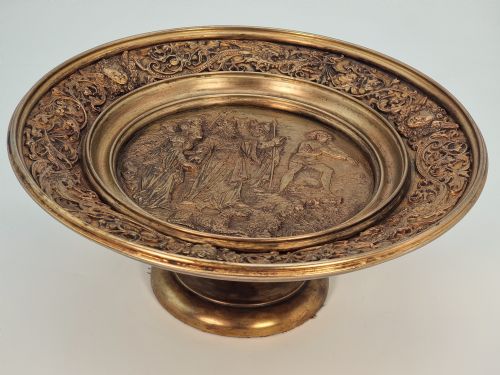
- An ornate shallow cup or bowl mounted upon a stem and foot, designed for display or serving table fruit and sweets.
Aesthetic Movement Bowl: Frequently Asked Questions
What defines an aesthetic movement bowl?
These bowls combine Victorian manufacturing techniques with artistic motifs drawn from nature, geometry and international art traditions. They prioritise visual harmony and decorative ambition over simple domestic utility.
Makers utilised materials such as silver plate, ebonised wood, porcelain and cut crystal to create items that served as both table service and ornamental centrepieces.
How were these bowls used historically?
Households displayed them upon dining tables, sideboards and mantelpieces as decorative centrepieces or sweetmeat dishes. Many held fruit, flowers or confectionery during formal meals and gatherings.
Smaller variants functioned as trinket dishes or formed part of larger wash sets for the Victorian dressing room.
How do I care for silver plate and glass?
Silver plate requires gentle cleaning with a soft cloth and non-abrasive polish to preserve the metallic layer over the base metal core. Harsh chemical dips should be avoided to protect any integrated wood or ceramic elements.
Glass and porcelain components need lukewarm water and mild soap, drying promptly with a lint-free cloth to maintain their glaze and cut crystal clarity.
How can I distinguish period pieces?
Examination of the base often reveals factory stamps, registry numbers or maker marks that anchor the piece to specific decades like the eighteen-eighties or nineties. Material choices such as ebonised wood and opaline glass also point directly to late Victorian production methods.
Weight, patination and the specific character of the silver plating provide further physical evidence of nineteenth-century manufacture.