



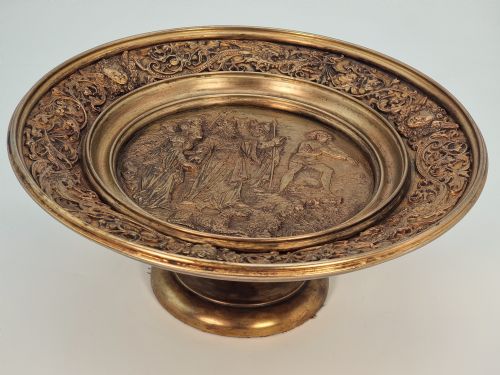

Gilt Metal Tazza
A gilt metal tazza is a footed pedestal bowl designed for display, bringing classical elegance and fine metalwork to a surface.
Gilt Metal Tazza
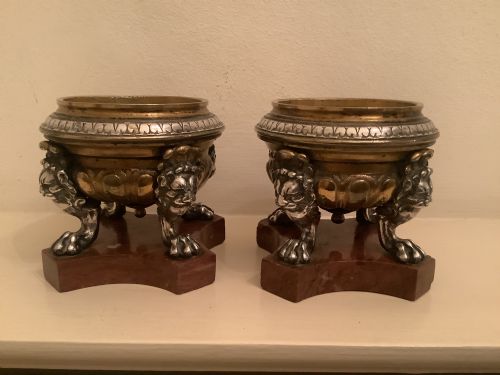
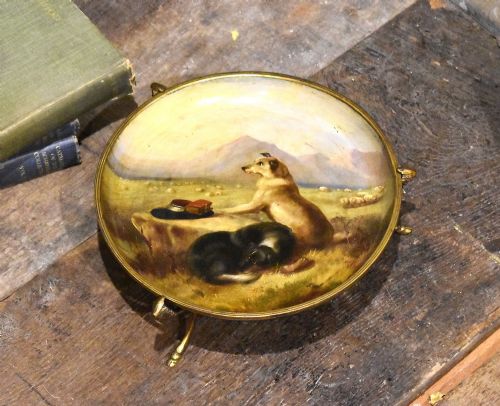
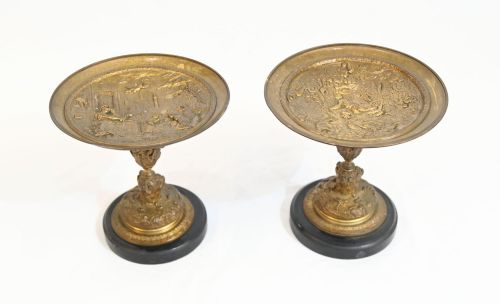
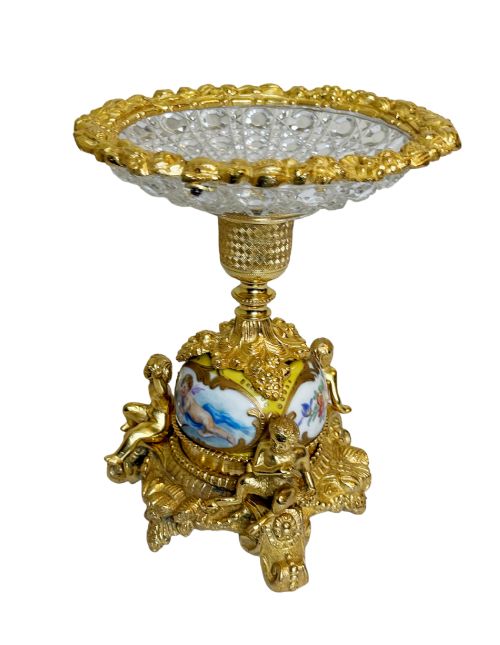
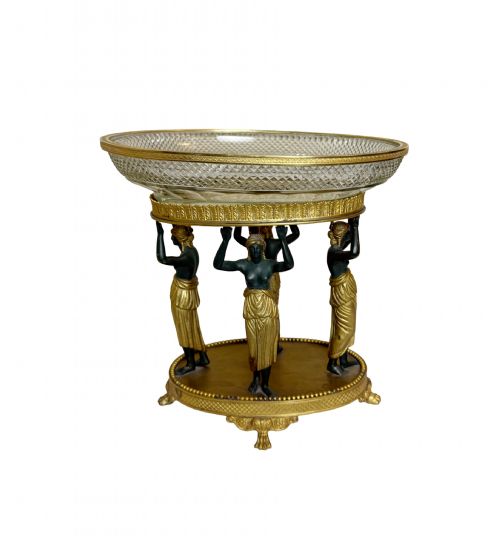
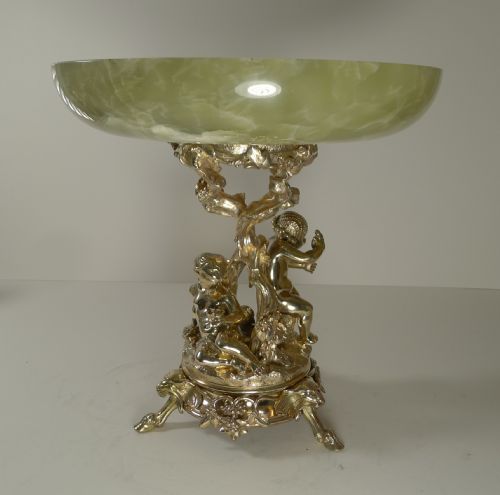
When you search for a gilt metal tazza, you are looking at elevated pedestal bowls and ornamental centrepieces originating primarily from the nineteenth century. These footed vessels combine gilded metals with contrasting materials like marble, crystal, and enamel to create striking display pieces.
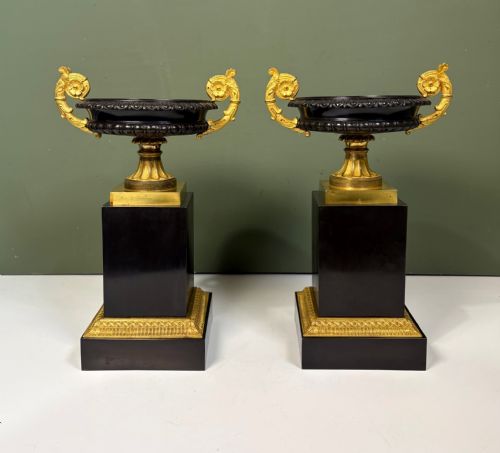
The versions you are most likely to meet on this page span French Empire, Regency, and Aesthetic Movement styles. They frequently appear as matched pairs or individual centrepieces, often incorporating patinated bronze alongside ormolu and gilt bronze.
Makers and designers of the period drew upon classical motifs, gothic revival elements, and Grand Tour influences. The resulting forms serve as both functional compotes and purely decorative ornamental urns and tazza bowls.
How they were made
The construction of a gilt metal tazza relies on the combination of cast bronze frameworks finished with mercury gilding or ormolu. Artisans combined these metallic elements with hand-cut crystal bowls, turned marble bases, or inset enamel plaques.
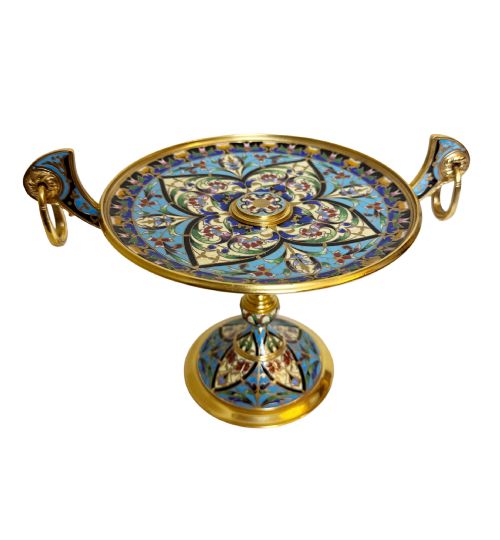
Detailed surface work often includes champlevé or Limoges enamel, alongside applied decorative motifs such as cherubs, agate cabochons, or silvered highlights. These mixed-media constructions required close collaboration between metalworkers, lapidaries, and enamellers.
Listings on this site span materials including gilt bronze, marble, cut crystal, and cloisonné enamel, stretching across nineteenth-century European and Chinese workshops.
What varies in quality
Quality in these pieces is dictated by the crispness of the bronze casting and the depth of the gilding. Superior examples display sharply rendered figural details and secure, balanced joints between the metal mounts and the stone or crystal components.
The choice of secondary materials also elevates a piece, with fine-grained Sienna marble or genuine hand-cut crystal marking out the upper tier of production. Maker attribution, such as work originating from established Paris houses, further separates standard decorative items from significant works.
The Gilt Metal Tazza Glossary
- Tazza
- A shallow bowl or plate mounted on a stem and foot, used historically for serving fruit or displaying items. The form derives from ancient vessels.
- Ormolu
- Finely ground high-carat gold applied to a bronze base using a mercury amalgamation process. This technique creates a rich, durable golden surface.
- Champlevé
- An enamelling technique where troughs or cells are carved into the metal surface and filled with vitreous enamel before firing. It produces vibrant patterns of colour.
- Grand Tour
- A traditional trip through Europe undertaken by upper-class young men in the eighteenth and nineteenth centuries. Travellers often returned with bronzes, marbles, and decorative tazzas.
- Patinated bronze
- Bronze that has been chemically treated to alter its surface colour, usually resulting in dark brown or greenish tones. This contrasts with the bright finish of gilt metal.
Gilt Metal Tazza: Frequently Asked Questions
What is a gilt metal tazza used for?
These footed vessels served primarily as decorative centrepieces on dining tables and sideboards during the nineteenth century. They were designed to hold fruit, sweetmeats, or simply to display fine craftsmanship.
Today, they function well as decorative focal points on mantelpieces, entrance tables, or open shelving. Their raised profiles bring height and architectural interest to a room without occupying a large footprint.
How do I identify a Regency period tazza?
Regency pieces typically display classical Neoclassical motifs inspired by ancient Greek and Roman designs. You will often see dark patinated bronze paired with bright ormolu mounts and architectural elements like Sienna marble bases.
Proportions in this period tend to be strict and formal, reflecting the early nineteenth-century fascination with antiquity. Look also for specific regional touches, such as French Empire influences or British Regency interpretations.
Are these pieces sold as pairs?
Many listings for a gilt metal tazza feature balanced pairs rather than single items. These matched objects were originally intended to sit symmetrically on either side of a room or along a long dining table.
Pairs often command greater interest from collectors who wish to recreate nineteenth-century interior arrangements. Single pieces, however, frequently appear as standalone centrepieces or cabinet items.
How should I clean a gilt metal tazza?
Maintenance requires a gentle hand to protect fragile fire gilding, enamel, and inset stone elements. Dusting with a soft, dry microfibre cloth is generally sufficient for regular care.
Avoid using commercial metal polishes, abrasive cloths, or liquid cleaners, as these can strip the thin layer of ormolu or damage delicate crystal and marble surfaces.