
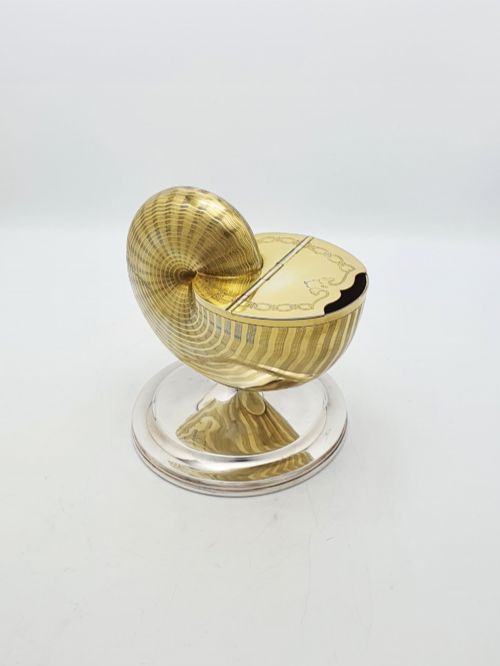


Victorian Gilt Centrepiece
These nineteenth-century pieces designed to command a table unite glittering gilt surfaces with porcelain, glass, and enamel.
Victorian Gilt Centrepiece
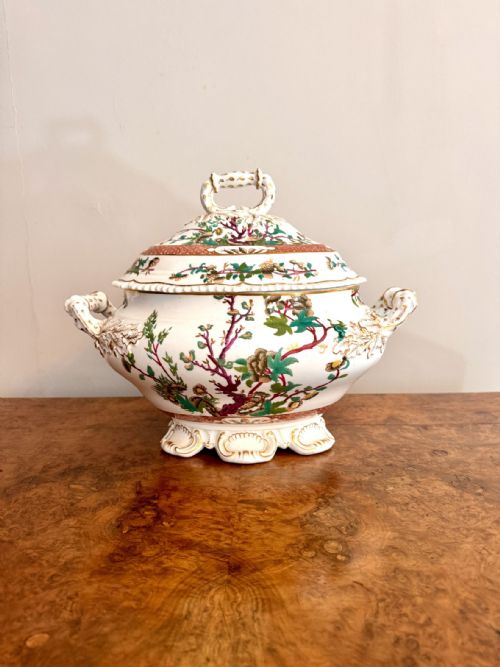
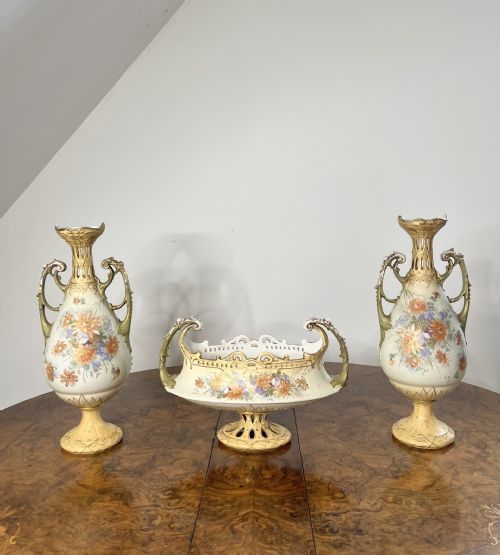
A victorian gilt centrepiece brings together decorative bowls, tazzas, and urns created to anchor a formal room. The items span the nineteenth century and the early twentieth century, drawing on French and English traditions.
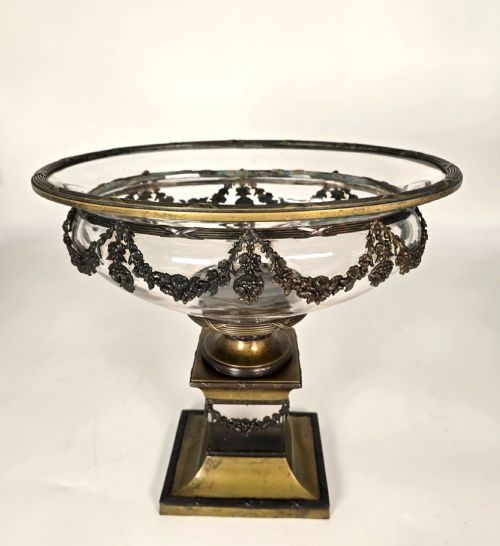
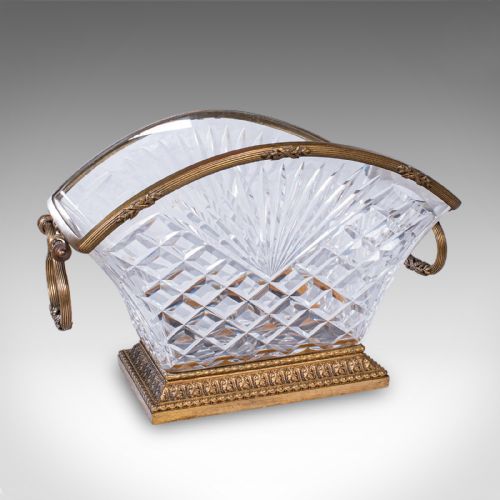
Most examples combine gilded metal mounts with ceramic bodies or cut glass bowls. Makers utilised porcelain, crystal, and bronze to form elaborate centerpieces that sat in the middle of dining tables or sideboards.
How they were made
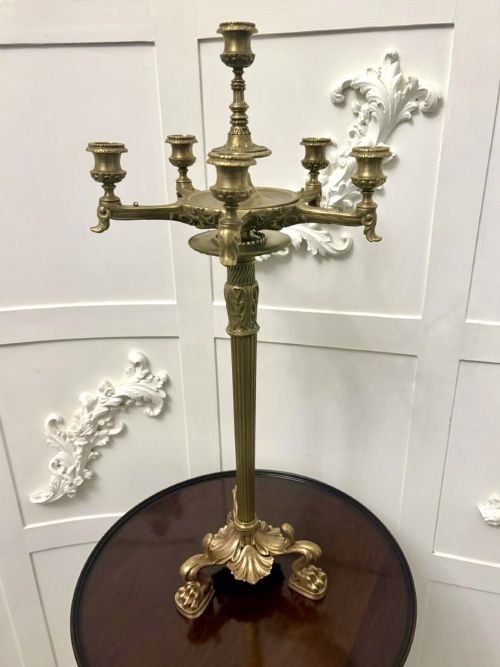
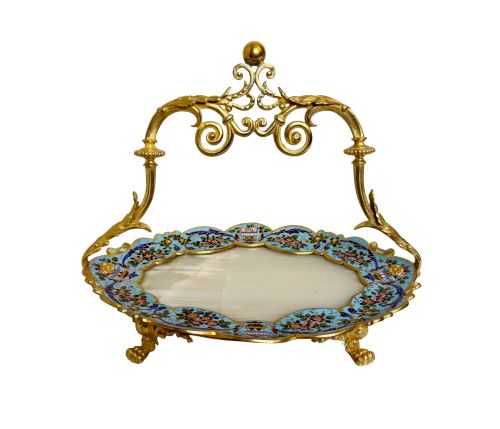
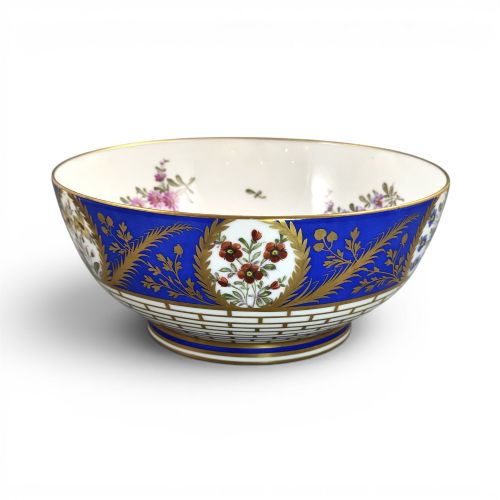
Craftsmen applied gold leaf, ormolu, and fire gilding to bronze and brass mounts, creating a durable golden sheen. Glass components were often cut or engraved, while ceramic bowls featured hand-painted floral sprays and enamel work.
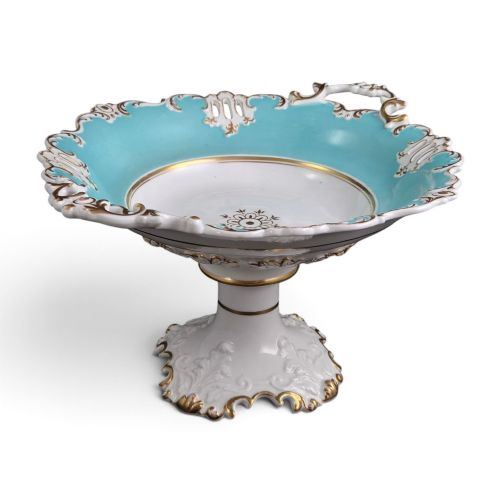
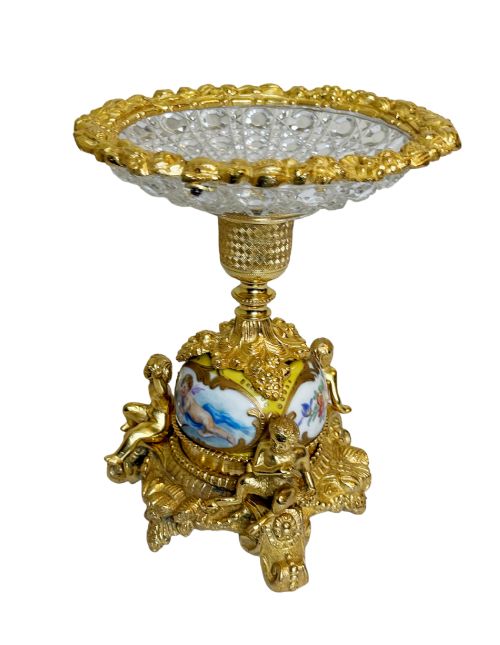
Foundries cast detailed figural elements such as cherubs, while ceramic factories shaped bone china and porcelain into comports and tazzas before firing and glazing.
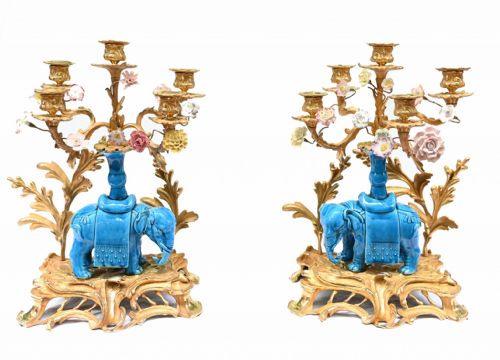
Alexander the Great watches over the dining room from porcelain elephant mounts.
What varies in quality
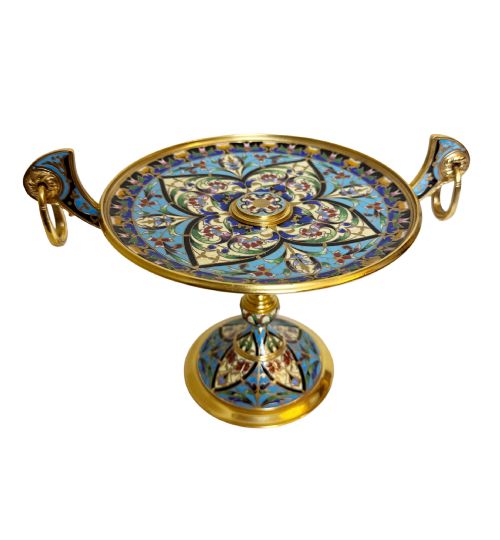
The crispness of the bronze casting and the depth of the gilding set finer items apart from simpler production. Details on figural mounts and the precision of champlevé enamel work distinguish master workshops from standard factories.
The weight of the glass, the complexity of the porcelain painting, and the integration of the metal mounts into the ceramic or glass body determine the distinction of each piece.
Coalport·Royal Vienna·Samson Paris·Doulton Burslem·Royal Worcester·Meissen·C G Schierholz und Sohn·Royal Crown Derby·Garrard London·George Fox·Elkington and Co
The Victorian Gilt Centrepiece Glossary
- Tazza
- A shallow bowl or cup mounted on a stem and foot, commonly used for serving fruit or display.
- Ormolu
- Gilded bronze, applied to furniture and decorative objects during the eighteenth and nineteenth centuries.
- Champlevé
- An enamelling technique where troughs are carved into metal and filled with vitreous enamel before firing.
- Comport
- A large pedestal dish used on a dining table for fruit or sweetmeats.
- Epergne
- A large ornamental centrepiece with multiple branches holding small baskets or dishes.
Victorian Gilt Centrepiece: Frequently Asked Questions
What is a gilt centrepiece used for?
These large vessels were placed in the middle of dining tables during the Victorian era to serve fruit or display flowers. They acted as conversation pieces for formal dinners.
Over time, many shifted from dining rooms to sideboards and mantelpieces as decorative focal points in a drawing room.
How do I identify French pieces?
French items often utilise ormolu mounts combined with Sevres style porcelain, champlevé enamel, or cut crystal. Motifs draw heavily on the Rococo revival and Empire taste.
English makers frequently employed bone china from factories like Royal Worcester, Coalport, and Derby, often with distinct floral decoration.
What materials are used in these items?
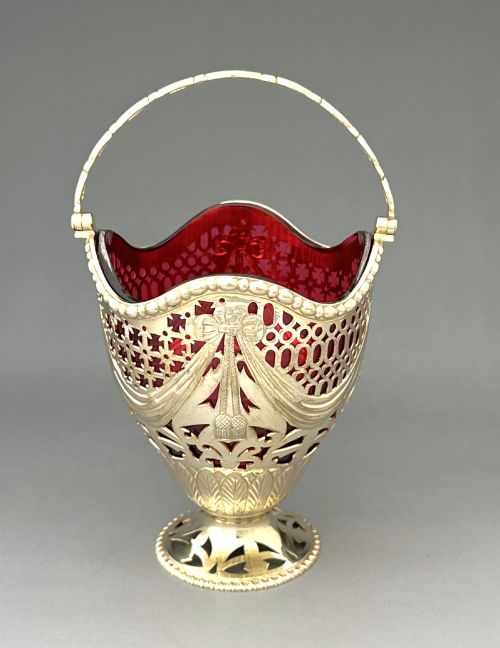
Gilt bronze, ormolu, and gold leaf provide the metallic finish across frames, stands, and mounts. These sit alongside cut glass, ruby glass, and cranberry glass liners.
Ceramic bodies range from porcelain and bone china to earthenware, frequently enhanced with enamel, hand-painted flowers, and agate cabochons.
How do I date a Victorian centrepiece?
Dates rely on registry marks, factory backstamps, and stylistic clues such as Aesthetic Movement geometry or heavy Rococo scrolls. The materials themselves, such as champlevé enamel and specific shades of porcelain glaze, point to particular decades.
Most examples date between eighteen-fifty and nineteen-ten, spanning the Victorian and Edwardian periods.