


Polychrome Enamel Dish
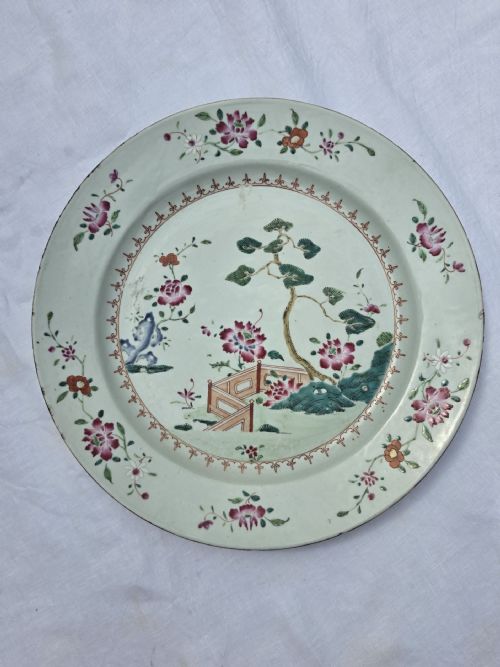
When you handle a polychrome enamel dish, you are looking at vibrant historical ceramics and metalwork united by brightly coloured mineral pigments.

Polychrome Enamel Dish
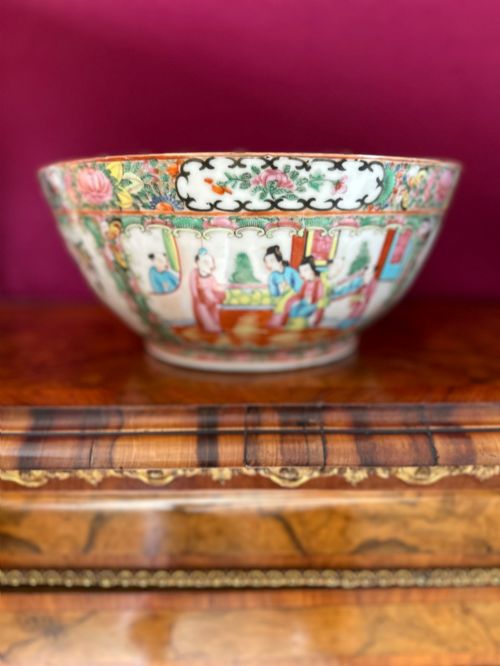
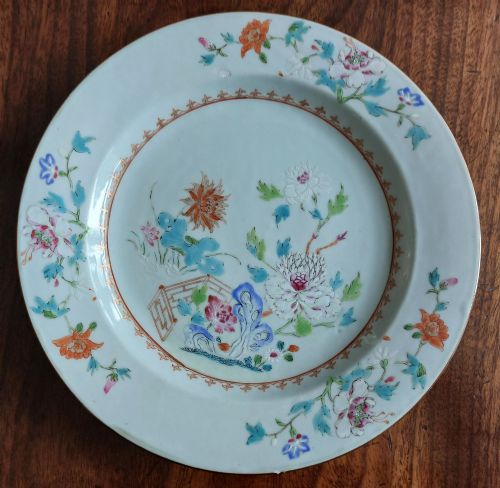
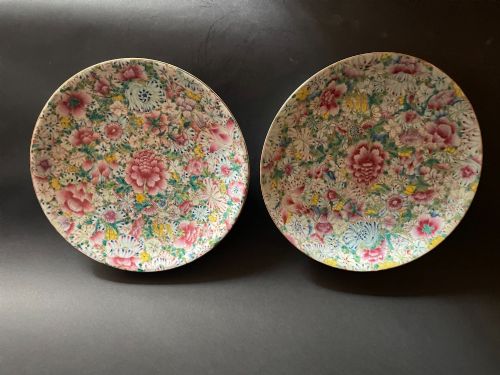
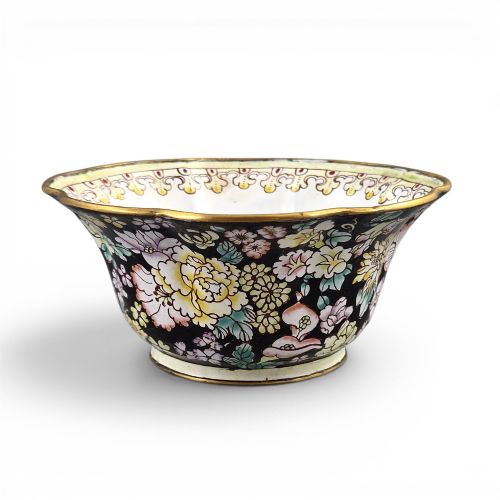
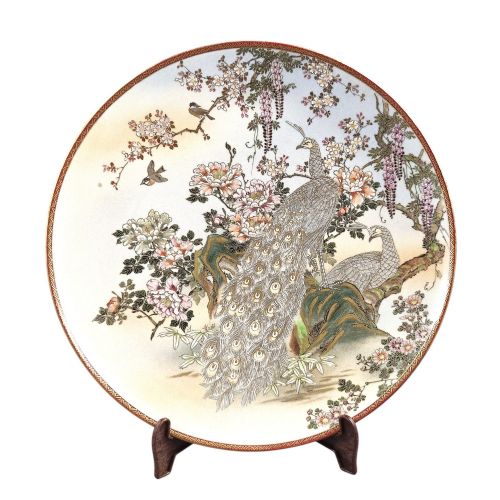
A polychrome enamel dish is a decorative table or display piece adorned with multiple coloured pigments, often taking the form of porcelain plates, chargers, or bowls.
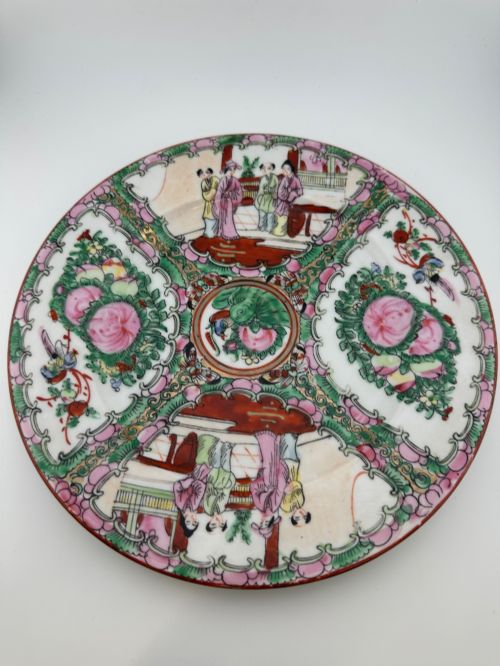
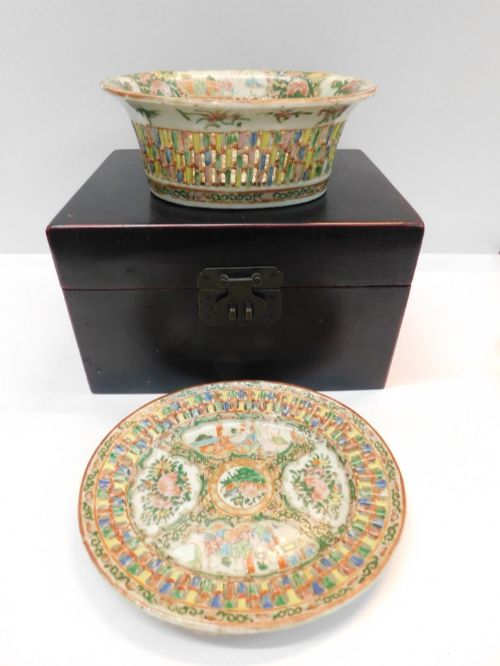
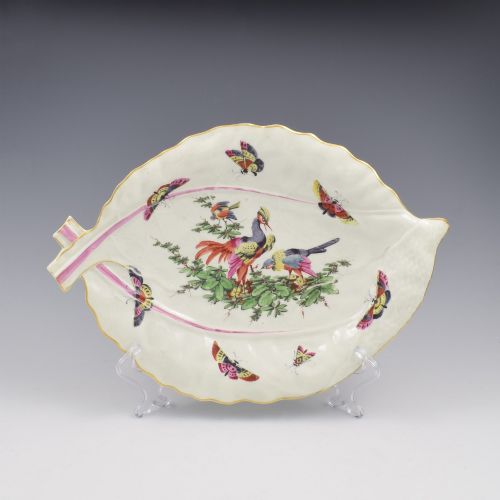
Buyers searching for a polychrome enamel dish will most frequently encounter nineteenth century pieces from Chinese export kilns and Japanese Meiji period workshops, alongside eighteenth century European porcelain.
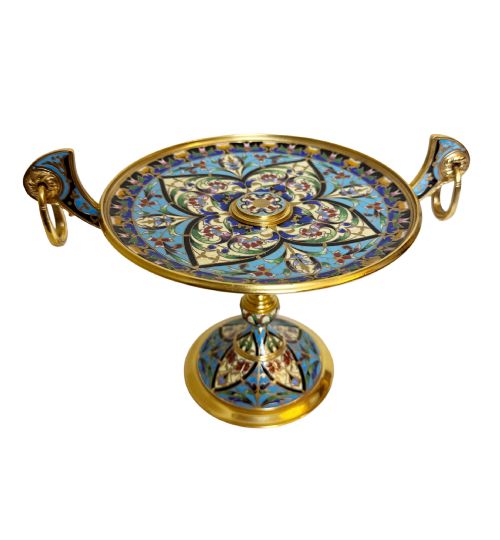
The selections span round plates, shamrock shaped trays, pedestal tazzas, and deep bowls decorated with floral, bird, and figure motifs.
How they were made
These pieces rely on a base of porcelain, earthenware, copper, or brass, upon which mineral enamels are applied by hand.
Many items incorporate gold leaf, gilt, or gilding to outline or highlight the painted enamel scenes.
Techniques such as champlevé and cloisonné involve embedding enamels within metal wires or recessed compartments before firing.
The selection bridges eighteenth century European porcelain with nineteenth century Qing Dynasty and Meiji period Asian artistry.
What varies in quality
The finesse of the hand painting dictates much of the distinction between standard and exceptional examples, particularly in the rendering of complex figures and natural details.
The application of gold leaf and the crispness of the metal wires in cloisonné work show the precision of the maker's hand.
The weight and balance of the copper, bronze, or porcelain body contribute to the overall substance of the piece.
Shuzan for Yasuda·Meizan mark
The Polychrome Enamel Dish Glossary
- Famille Rose
- A palette of opaque pink and other pastel enamels introduced in Chinese porcelain during the eighteenth century.
- Cloisonné
- A metalwork technique where enamel colours are separated by thin metal wires soldered to a copper or brass body.
- Satsuma
- Japanese earthenware featuring a crackle glaze decorated with detailed enamel and gilt motifs.
- Tazza
- A shallow bowl or plate mounted upon a central pedestal foot.
- Kutani
- Japanese porcelain or pottery traditionally known for bold, colourful enamel decoration.
Polychrome Enamel Dish: Frequently Asked Questions
Are these dishes food safe?
Antique polychrome enamel dishes are intended for decorative display rather than daily dining use.
Historic glazes and enamels may contain metallic compounds that are unsuitable for modern food consumption.
How do I tell Chinese and Japanese pieces apart?
Chinese export pieces from the eighteenth and nineteenth centuries often feature famille rose palettes and intricate floral or armorial symbolism.
Japanese Meiji period items frequently incorporate dense motifs, satsuma crackle glazes, or distinct cloisonne wirework.
Where should I display my dish?
Position your dish away from direct sunlight to prevent the vibrant enamel colours from fading over time.
Use a secure, stable plate stand or a glass cabinet to protect the piece from accidental knocks.