




Ormolu Decorative Bowl
An ormolu decorative bowl brings nineteenth-century French splendour to a table, combining gilded metal with glass, porcelain or stone.
Ormolu Decorative Bowl
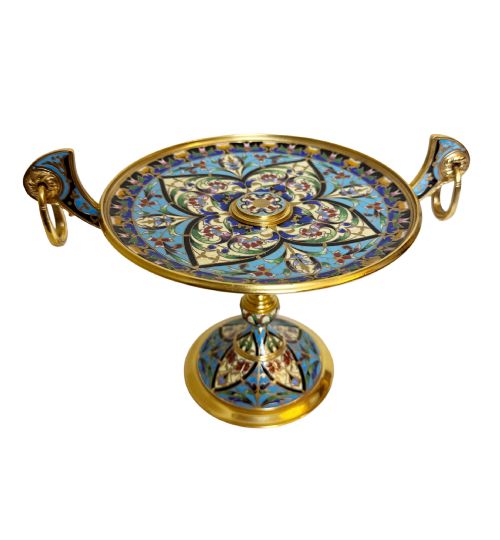
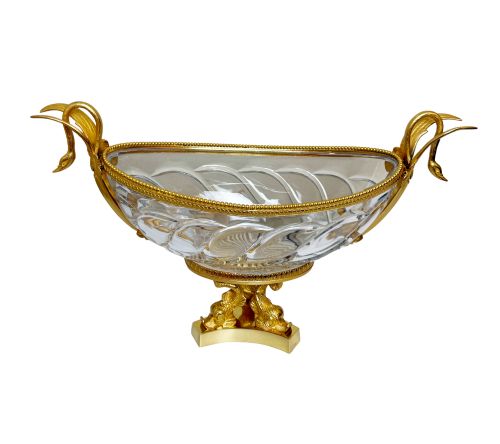
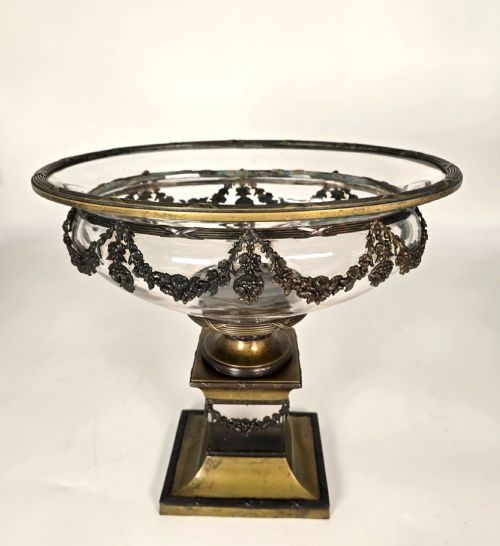
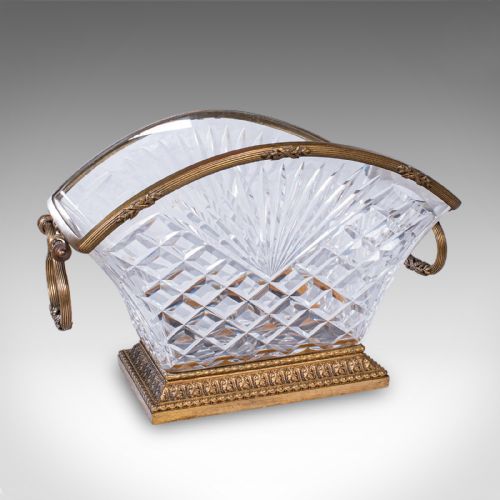
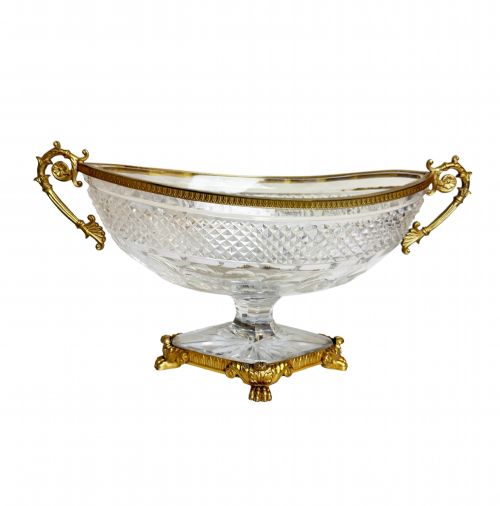
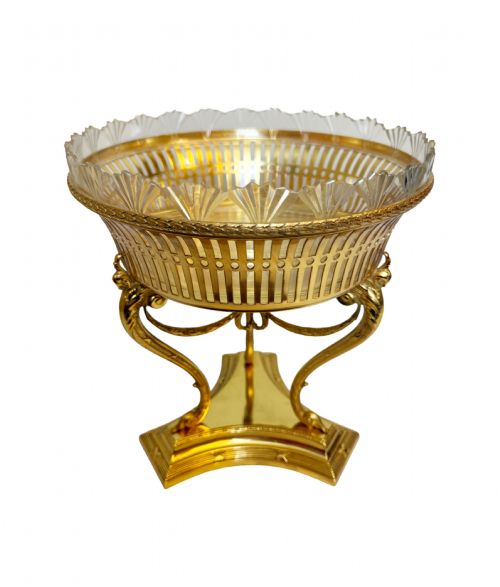
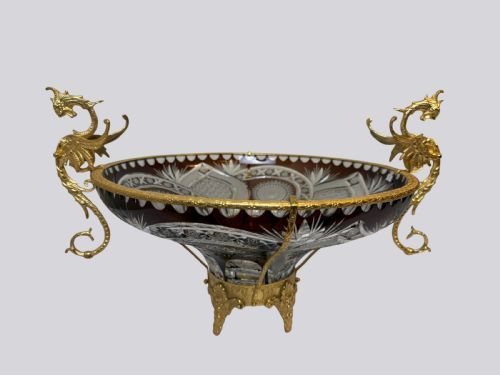
An ormolu decorative bowl is typically encountered as a nineteenth-century French centrepiece, tazza or comport designed for grand display. These pieces frequently combine gilt bronze or ormolu mounts with inserts of crystal, cut glass, Sevres style porcelain or hardstones such as onyx, marble and malachite.
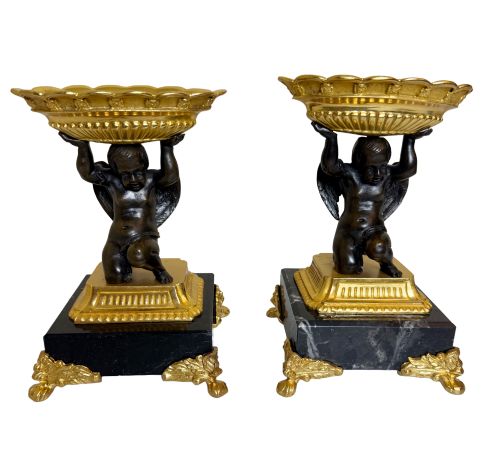
The forms span from Empire style urns and pedestal bowls to Rococo Revival dishes and champleve enamel trays. Buyers find both single statement centrepieces and matched pairs intended for symmetrical placement on large furniture.
Origins cluster around the nineteenth century, ranging from the Second Empire and Victorian eras through to the early twentieth century. Makers and decorators utilised diverse materials including cloisonne, limoges enamel and banded agate within these elaborate frameworks.
What varies in quality
Quality in an ormolu decorative bowl depends largely on the crispness of the bronze chasing and the preservation of the original fire gilding. Superior examples display sharp, deeply undercut foliage and figures rather than soft, flat casting.
Mermen and cherubs frequently peer out from the bronze mounts, keeping watch over nineteenth-century fruit.
Louis Pierre Malpass
The Ormolu Decorative Bowl Glossary
- Ormolu
- Gilded bronze produced through a mercury amalgamation process, or simply gilt bronze used for decorative mounts on nineteenth-century vessels.
- Tazza
- A shallow bowl or cup mounted on a stem and foot, frequently utilised as a centrepiece or ornamental dish.
- Champleve
- An enamelling technique where troughs are dug into the metal surface and filled with vitreous enamel before firing.
- Comport
- A pedestal dish or stand used for serving fruit or sweets, popular during the Victorian and nineteenth-century periods.
- Garniture
- A set of matching ornamental vases or vessels, often comprising three or more pieces for mantel or tabletop display.
Ormolu Decorative Bowl: Frequently Asked Questions
How were ormolu decorative bowls used?
These bowls served primarily as ornamental centrepieces on dining tables, sideboards or mantels, often holding fruit or simply displaying fine porcelain and glass.
In grand nineteenth-century interiors, matched pairs of tazzas and large pedestal bowls acted as focal points for a room's decorative scheme.
How do I clean an ormolu decorative bowl?
Cleaning requires a soft, dry cloth to remove dust from the gilt bronze mounts without disturbing the delicate gilding.
Harsh metal polishes must be avoided entirely on ormolu, as abrasive substances strip away the gold finish and permanently damage the surface.
Are glass inserts usually original?
Many nineteenth-century pieces retain their original cut crystal, coloured glass or Sevres style porcelain inserts, shaped specifically to fit the bronze mounts.
Because bowls and trays were fragile, replacements do occur, making a snug fit and matching period wear important indicators of originality.
What styles are most common?
French Empire and Rococo Revival styles dominate these pieces, reflecting nineteenth-century revivals of earlier classical and ornate court aesthetics.
Victorian interpretations often blend these French influences with varied materials like champleve enamel, onyx, and Bohemian glass.