


Victorian Porcelain Tray
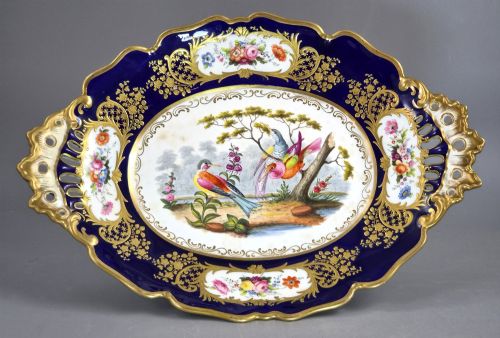
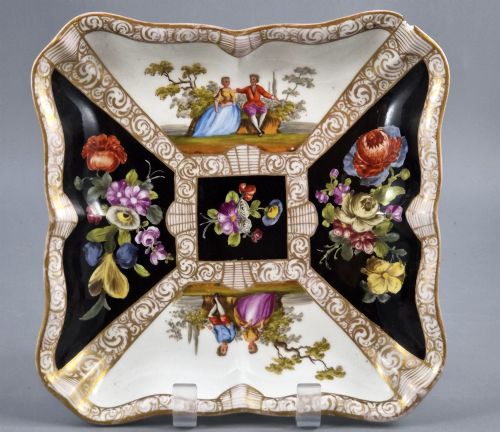
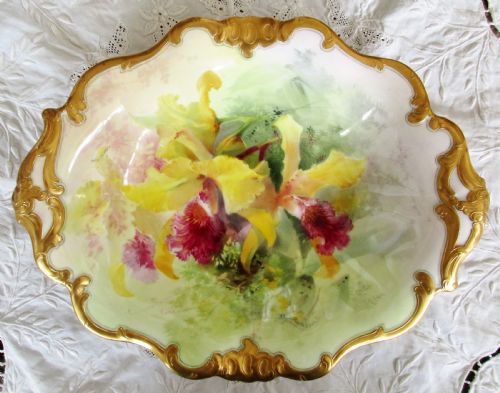
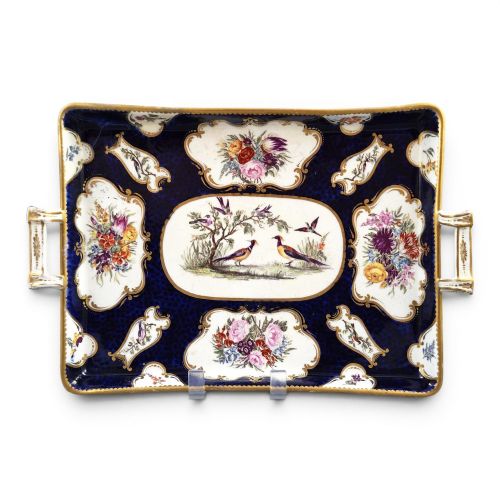
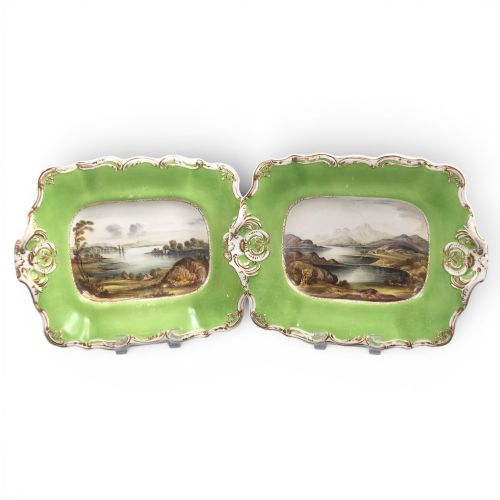
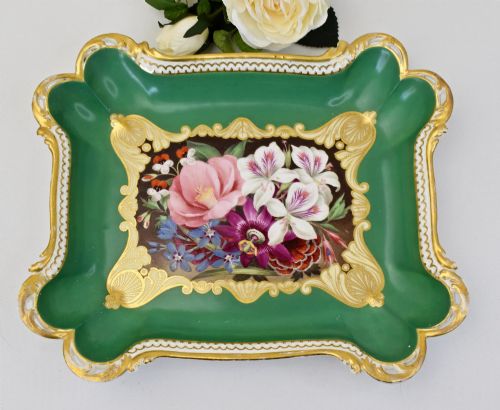
These pieces of a victorian porcelain tray combine hand-painted floral motifs and gilded borders to bring nineteenth-century refinement to any table.
Victorian Porcelain Tray
When you search for a victorian porcelain tray, you encounter an array of serving platters, cabinet dishes, and inkstands originating from the nineteenth century. The most common examples on this page are decorative ceramic dishes and serving trays produced during the Victorian period and surrounding decades.
Makers shaped these items for functional household use or formal display, ranging from breakfast sets to elaborate centrepieces with gilt bronze mounts. Stylistic influences span from Rococo Revival and Victorian Imari to the Aesthetic Movement.
Origins include English potteries, continental European manufacturers, and French studios, each bringing distinct regional painting traditions to the surface.
Materials and construction
Potters formed these items using porcelain, ceramic, earthenware, and ironstone, often mounting the finished ceramic bodies in brass or gilt bronze. Artisans then applied enamel, gold leaf, and gilding to accentuate the painted scenes and borders.
Decoration relied on hand-painting techniques, encompassing cobalt blue underglazes, botanical studies, and transfer-printed patterns in the manner of established porcelain traditions.
Among the desk accessories and formal tableware sits a laboratory sample tray, proving that even nineteenth-century science required a touch of ceramic elegance.
The markers of quality
Quality rests upon the precision of the hand-painting, particularly in detailed botanical or figural scenes executed by named artists. Superior examples show crisp definition in the enamel work and generous application of gold leaf or gilding.
The sophistication of the underlying ceramic body and any associated metal mounts, such as champlevé enamel or cast brass bases, distinguishes standard production ware from exceptional cabinet pieces.
Coalport·Meissen·Royal Doulton·Copeland and Garrett·Doe and Rogers·Minton·Carlton Ware·Royal Worcester·Dresden Helena Wolfsohn·Mason·Royal Crown Derby·Haldenwanger Berlin·Davenport
The Victorian Porcelain Tray Glossary
- Cabinet dish
- A decorative ceramic plate intended for display in a cabinet rather than for dining use. These often feature elaborate hand-painted subjects.
- Gilt
- A thin layer of gold applied to the surface of porcelain or metal mounts. It provides the characteristic metallic highlights seen on nineteenth-century edges and handles.
- Imari
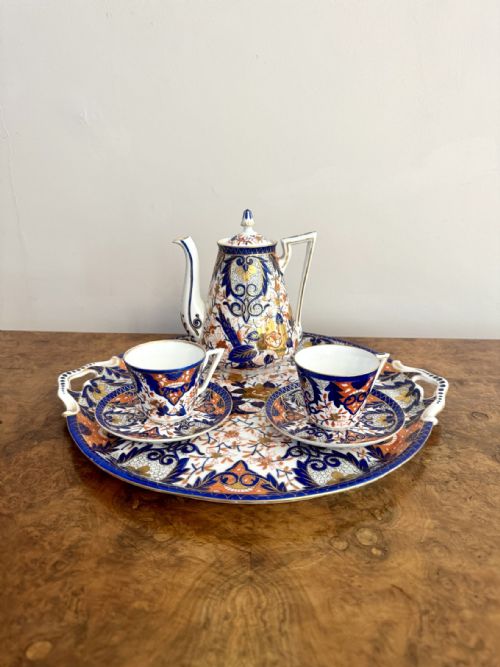
- A decorative style characterised by a palette of cobalt blue, iron red, and gold. Victorian potteries frequently adopted this aesthetic for serving trays and cabaret sets.
- Ironstone
- A type of durable earthenware patented in the nineteenth century. It combined the strength of stone china with the refined appearance of porcelain.
- Champlevé
- An enamelling technique where troughs are dug into a metal surface and filled with vitreous paste. This method appears on decorative mounts associated with period centrepieces.
Victorian Porcelain Tray: Frequently Asked Questions
How were these trays used in the nineteenth century?
Households utilised these pieces for serving breakfast items, coffee sets, or holding desk accessories like inkwells. Many larger trays formed part of cabaret sets designed for private entertaining.
Smaller decorative dishes and cabinet trays were equally suited for display in parlours and drawing rooms to showcase fine ceramic artistry.
How do I distinguish Victorian pieces from Georgian ones?
Dating relies on stylistic shifts and registry marks stamped into the ceramic body. Georgian and early nineteenth-century items often lean towards neoclassical lines or traditional blue and white transfer prints.
Later Victorian and Aesthetic Movement examples embrace more exuberant Revivalist styles or asymmetric botanical compositions reflecting the tastes of the closing decades of the century.
What is an inkstand tray?
An inkstand tray is a specialised desk accessory designed to hold inkwells, sanders, and pen holders. These combined practical writing utility with decorative ceramic or brass craftsmanship.
They frequently appeared on library desks alongside matching blotters and correspondence boxes.
How should I clean porcelain with gilt edges?
Care requires gentle dusting with a soft dry cloth to preserve fragile gold leaf and enamel overglazes. Avoid immersion in water or chemical cleaning agents which can degrade the painted decoration.
Displaying pieces away from direct sunlight protects the integrity of the pigments and the underlying ceramic glaze.